





































































































Tonight
Ten for the evening
One to ten. Newest, most watched, highest on the Living Meter. Prime, Disney+, Hulu, Hallmark, Acorn, and Netflix.
The burn book is not a joke to copy. The apology is the part that matters. Older teens.
Cady arrives unarmed and is trained in a court of girls whose power is humiliation. The film is funny because the court is real, and it is useful because she becomes guilty, not just witty. The repair is a mess, which is how repairs look. It is still a repair. A mother, a teacher, and a dull kind boy are the adults and the non-combatants who keep the movie from admiring the palace.
Watch it with a teenager and do not stop at the quotes. Ask who was in the book. Then ask what you would say if your name were the joke. The plastic smile is the villain. So is the audience that wants the smile back.
Industry
4/10
School as a campaign.
Household
5/10
A parent is present. The peer house is the danger.
Piety
3/10
No creed. A moral anyway.
Courage
6/10
The public apology is the brave scene.
Republic
5/10
A student body that consents to a court.
Temperance
4/10
The joke is the excess, and it is tempting.
Truth
7/10
The meanness is shown as meanness, not as empowerment.
Stewardship
6/10
It can hand on the apology, if you insist.
Live historicallyIf you helped make someone the spectacle, you do the apology out loud.
Size used to help. Gentle, repetitive, true enough for a small child.
Clifford is big so that a small child can think about what you do with strength. The answer, every time, is that you help and you are careful of other people's things. The repetition is a feature at that age.
Fine. Stop before the adult in the room is using it as a babysitter for the whole morning.
Industry
3/10
Being a neighbor is the work. Nobody has a trade on screen for long.
Household
6/10
A girl and a dog and a mother. The dog is care, daily.
Piety
3/10
Kindness is the lesson, aimed at a child and not sneering.
Courage
4/10
Clifford uses his size for someone smaller.
Republic
5/10
A town that has to adjust to a creature who does not fit the sidewalk.
Temperance
8/10
No appetite, no cruelty. The lessons repeat because the audience is young.
Truth
6/10
The mistake is named and repaired before the credits.
Stewardship
5/10
A pet as a responsibility that does not end when the joke does.
Live historicallyHave a child use a strength they have — height, a loud voice, being older — for someone who needed it. Once.
The reporting is the good part. A company did something to minds. The series does not finish what it starts.
The first episodes are a reporter who will not accept that a town of people can be filed and forgotten. That is a civic instinct, and it is the reason to watch. The answer, when it comes, is about an experiment and a family secret, and the telling runs out of road.
Take the reporter. Do not rearrange your evening around a mystery the makers did not finish.
Industry
6/10
Lia reports. The job is asking, checking, going back.
Household
4/10
An uncle, a vocation inherited from a disappearance. Not a household.
Piety
2/10
The mystery wears a spiritual coat. The cause is a program.
Courage
6/10
She keeps the story when she is told to drop it.
Republic
5/10
A private research town is a kind of unaccountable government.
Temperance
5/10
Dread, measured. It does not gore.
Truth
6/10
It is interested in what was done, not in how spooky a empty street looks.
Stewardship
3/10
Unfinished. A question is not yet an inheritance.
Live historicallyFollow one local question through to a name and a fact. Stop when you have both.
The friendship is true. The neighborhood is not a sitcom. Too much gun and too much treasure-hunt for an unattended thirteen-year-old.
Monse, Jamal, Ruby, and Cesar are specific, which is the show's credit, and a teenager can feel the difference between this and a high-school hallway built in Burbank. The debit is the RollerWorld money: a cartoon of gang cash that teaches the same lesson the streets are already teaching too well. Friendship is not a disinfectant.
If she is in it, watch the next episode in the room. Leave when the fortune becomes more interesting than the friend.
Industry
4/10
School is there. The plot would rather have a duffel bag.
Household
6/10
Friends who function as a household. Actual parents are uneven and present.
Piety
3/10
Little sacred. Loyalty is the only vow, and it gets expensive.
Courage
6/10
They go back for each other into streets that are not theoretical.
Republic
5/10
A block is a real unit. The show sometimes turns it into a board game.
Temperance
3/10
Sex, drugs, and violence are not guests. They live there.
Truth
6/10
It does not pretend the block is fine. The treasure plot pretends a fortune would help.
Stewardship
4/10
What it hands on is the friend. Also a romance with the stash.
Live historicallyAsk which of her friends she would walk back for, and what she would refuse to carry while doing it.
A man trying to redo his youth. Sometimes he teaches courage. Often he teaches the feud.
Johnny Lawrence is a useful mess: a man who was used by a teacher and is now in danger of becoming him. The early episodes understand that. A boy needs a man to show him he can be hit and get up. The series then cannot resist the war with Daniel, and every teenager in the valley is enlisted. Strength without a reason is the original mistake, repeated with better footage.
Older teens, maybe, with you willing to say when the sensei is wrong. Not a moral education by itself. The original film is the cleaner lesson.
Industry
6/10
A handyman and a sensei. Work is in his hands, and so is the shortcut.
Household
5/10
A son, an ex, a rival's family. The home is real and constantly recruited into the war.
Piety
3/10
Honor is a word on the wall. Mercy loses to the next tournament.
Courage
6/10
Kids stand up to bullies. Then the show makes the standing-up into a gang.
Republic
4/10
A valley full of parents who have handed their children to dojos instead of to themselves.
Temperance
3/10
Revenge is the renewal plan. The series knows it is poison and pours another round.
Truth
5/10
It tells the truth that the old villain had a life. It can't stop rehabilitating the cruelty.
Stewardship
5/10
What he wants to hand a boy is strength. He keeps handing him an enemy.
Live historicallyTeach a child one physical skill, and also the moment they are required to stop.
Wit as a vocation. The cost to the children is real and the show keeps choosing the mic.
Midge is funny, and the show is right that a gift can be real. It is also a long argument that the gift outranks the table. The parents are vivid. The children are the bill that keeps being deferred with a song cue.
Enjoy the sentences. Do not let them talk you into thinking a room of strangers is a higher calling than the people who know when you are late.
Industry
7/10
She works the clubs. The work is the point, and she gets better.
Household
4/10
A husband, parents, children. The children are often the thing she is late for.
Piety
3/10
The Upper West Side has synagogues. The show's altar is the set.
Courage
6/10
She gets on stage after the room has already decided.
Republic
4/10
Managers, clubs, a city. The civic life is the industry.
Temperance
4/10
The joke needs a target, and the target is often the room she lives in.
Truth
6/10
It is honest that talent and duty are pulling apart.
Stewardship
3/10
What she is building is an act. The house is what she spends.
Live historicallyDo the work you are good at, and be home when you said you would.
The best thing about it is that they become neighbors. The joke takes a while to allow that.
The Roses are useless on purpose at the start, and the town is the instrument that makes them specific. The show becomes gentle, which is why people love it, and the gentleness is earned by work behind a counter. Watch it for that turn. Do not adopt the early voice while you wait for the turn.
Industry
5/10
The motel, the store, the town work they cannot hire out anymore.
Household
6/10
They stay a family in one room. The staying changes them.
Piety
2/10
No creed. Kindness arrives as taste.
Courage
4/10
The courage is embarrassment, endured.
Republic
5/10
A small town that outlasts the people who mocked it.
Temperance
5/10
Early cruelty softens. The softening is the arc.
Truth
5/10
It is honest that money was their personality.
Stewardship
5/10
They end up belonging to a place. That is the right ending.
Live historicallyDo one shift of ordinary work you could otherwise pay someone else to do, and do not narrate it.
History, a marriage, and a great deal of appetite. The history is doing some real work.
The useful hours are the ones about medicine, a clan, and a war that was going to be lost. The hours the show is sold on are the ones in the bed. Adults can tell those apart. The trouble is the second marriage sitting on top of a first husband who is still alive in another year. The show wants the feeling to settle what the vow cannot.
Industry
6/10
Healing, farming, war, printing. The centuries have jobs.
Household
5/10
Two marriages, deeply felt, and the first is not cleanly honored.
Piety
4/10
Faith is in the period and sometimes in the people.
Courage
6/10
War, childbirth, a journey. The dangers are not theoretical.
Republic
5/10
Clans, a rising, a nation deciding.
Temperance
2/10
The romance is explicit and frequent. It is the marketing.
Truth
5/10
The past is particular. It is also a fantasy of being chosen there.
Stewardship
4/10
Children and a future century complicate the wish. Good. They should.
Live historicallyIf you watch it, do not let the feeling be your only brief on a promise.
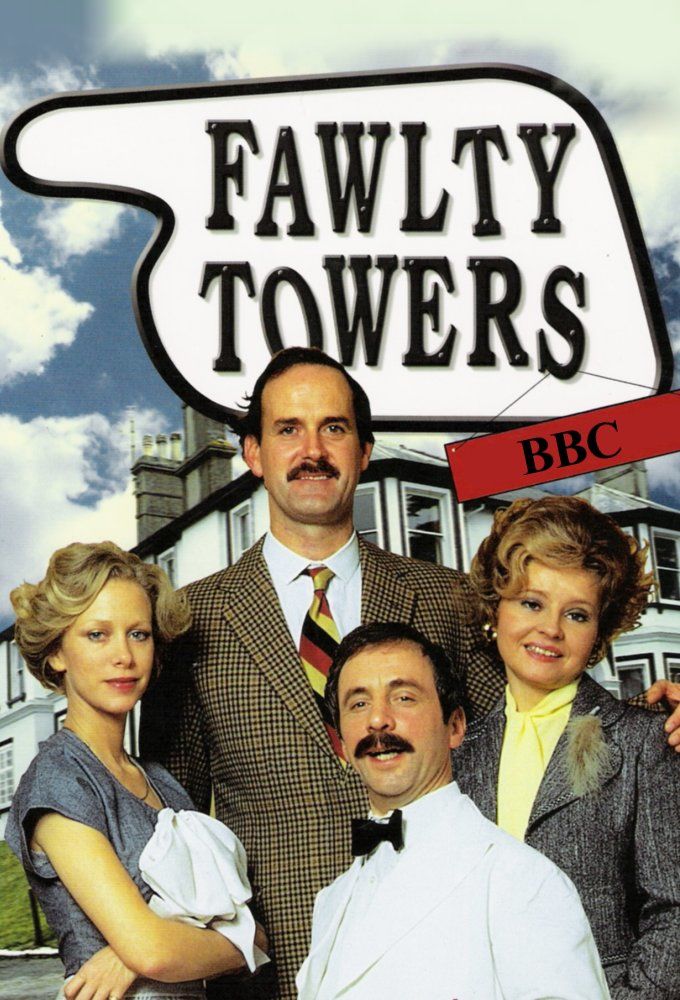
The work is the joke. Jim and Pam are the part that takes a vow seriously.
Dunder Mifflin is a real kind of American room: ordinary work, a manager who confuses liking with leading, and people who stay because the health insurance is there. Jim and Pam's choice to marry and to stay is the story that earns its time.
The laugh is often at a person who cannot defend himself. That habit is the tax. Watch the marriage. Do not practice the meeting.
Industry
4/10
Paper is sold. The show's pleasure is how badly the boss does the job.
Household
7/10
A long courtship ends in a marriage, and the marriage is not the punchline.
Piety
2/10
The sacred is a meeting that should have been an email.
Courage
5/10
People endure a foolish boss and, sometimes, tell him the truth.
Republic
4/10
An office is a little republic of desks. The camera makes it a zoo.
Temperance
4/10
Cruelty is usually punished by awkwardness. Sometimes the awkwardness is the product.
Truth
6/10
The documentary frame pretends to record a workplace. It also arranges the workplace for the laugh.
Stewardship
5/10
What lasts is a marriage and a job that continues after the boss is gone.
Live historicallyThank someone at your actual work for a job they finished, with no joke attached.
A child is moved out of the chair. The moving is the whole idea, and then it should stop.
Danny Go! wants a child on his feet. On this row that is a virtue, because almost everything else wants the child still and wanting. It is also a brand of enthusiasm, and enthusiasm is not a life. One song, then the real room. If he is the afternoon, you have traded a walk for a host.
Industry
4/10
The body is used. It is not a trade.
Household
3/10
A host, not a house.
Piety
2/10
Enthusiasm is the only reverence.
Courage
3/10
He tries the next move. The risk is small.
Republic
4/10
Children are invited to do the same thing together.
Temperance
6/10
Loud, but it ends, and it asks for motion rather than another want.
Truth
6/10
It is a dance. It does not claim to be school.
Stewardship
4/10
A habit of moving is a decent thing to copy, once.
Live historicallyDo the last move once more with the screen off, then go on to something that is not him.