Who is allowed to answer
1776
This morning
What a 13-year-old sees
Sunday morning, November 1
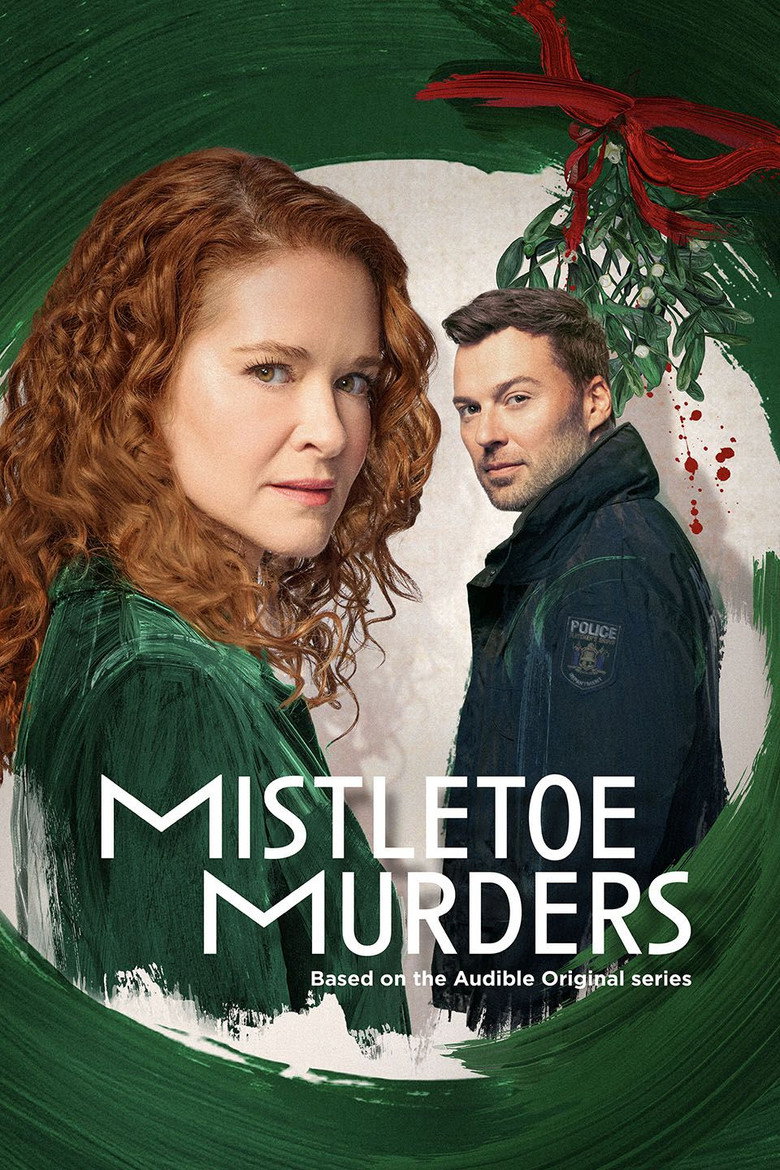
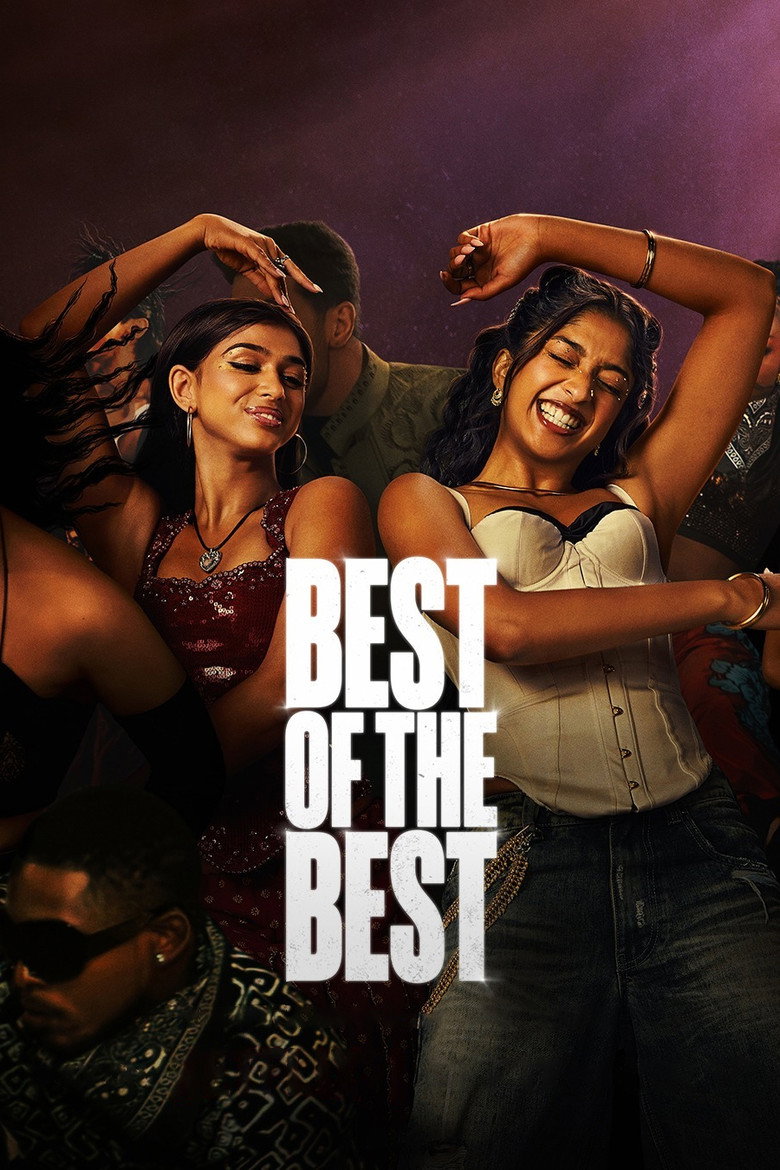
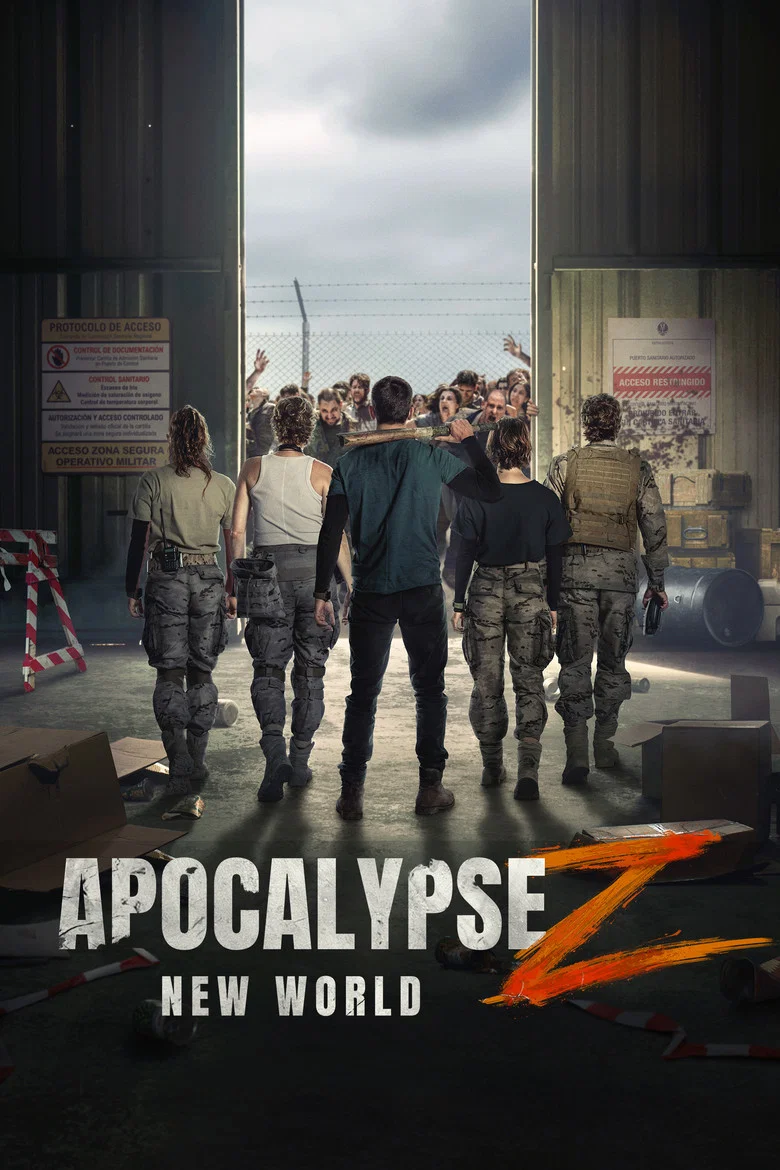
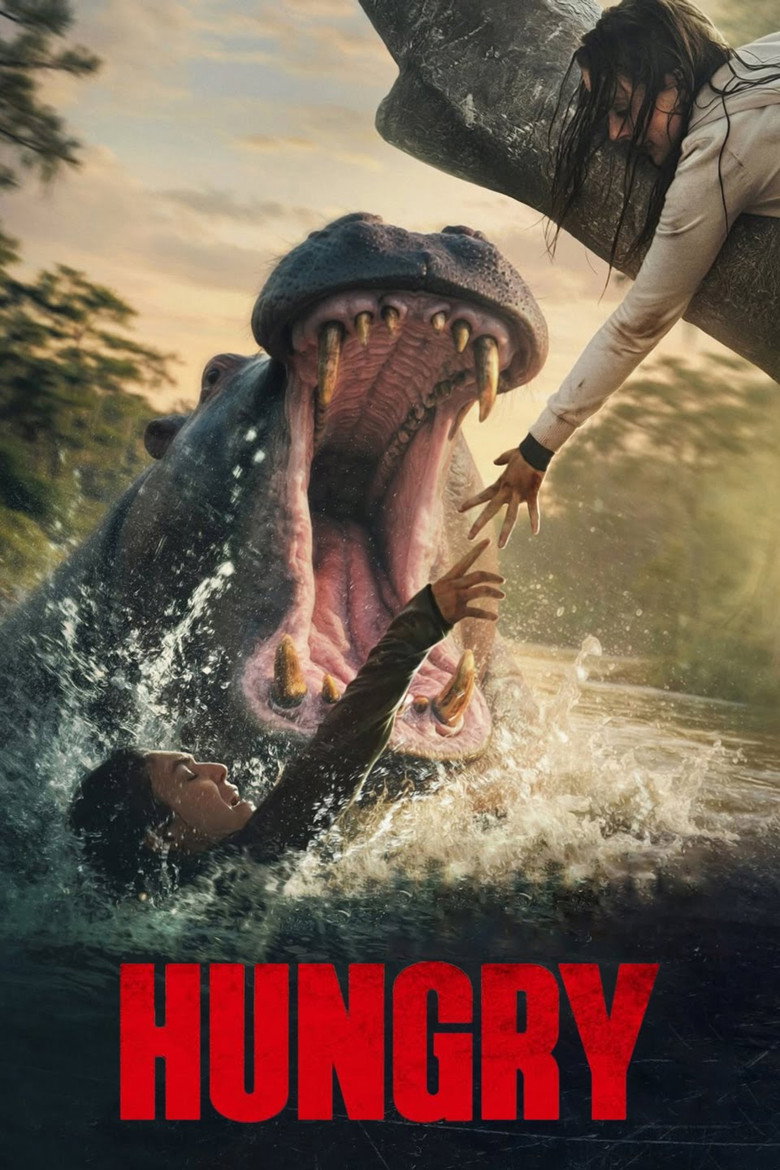
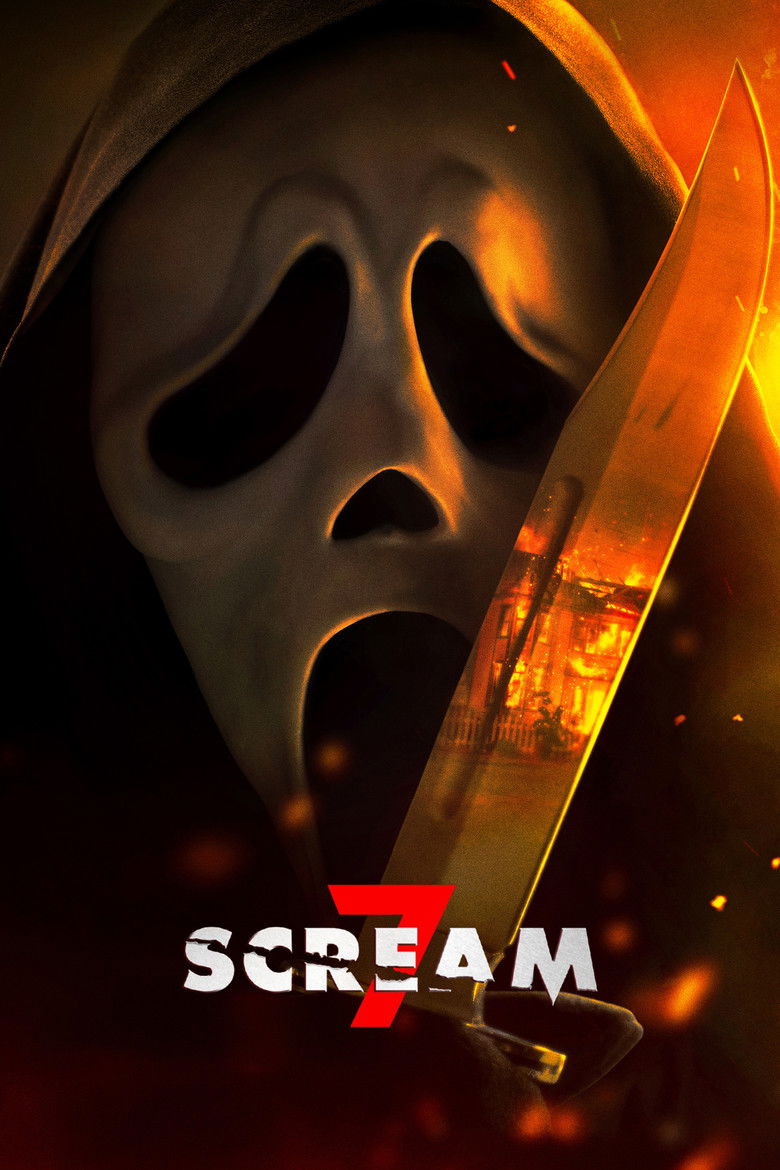
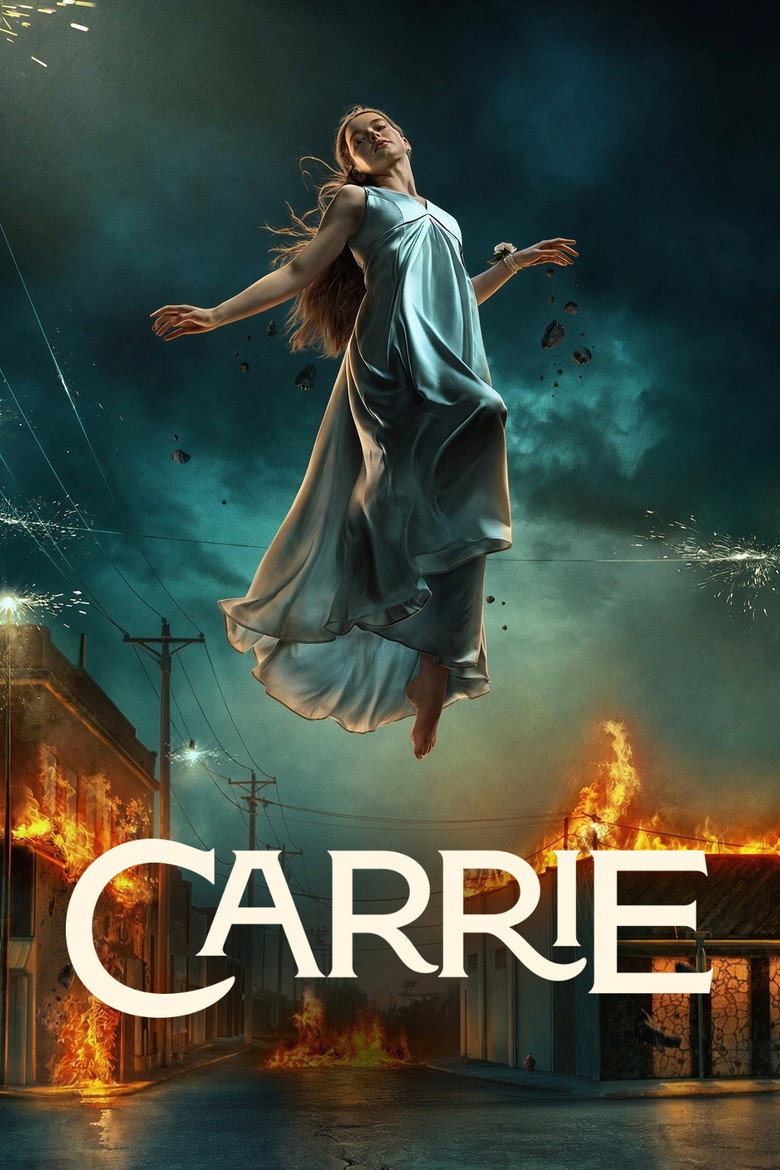
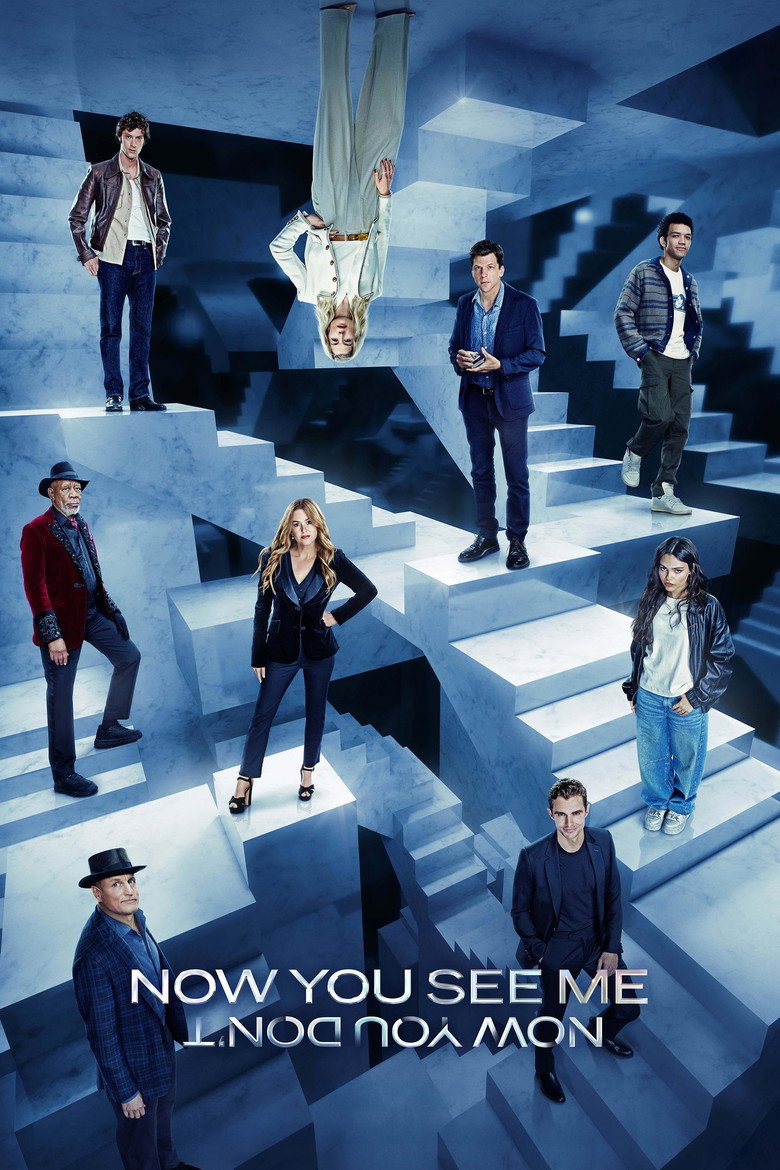
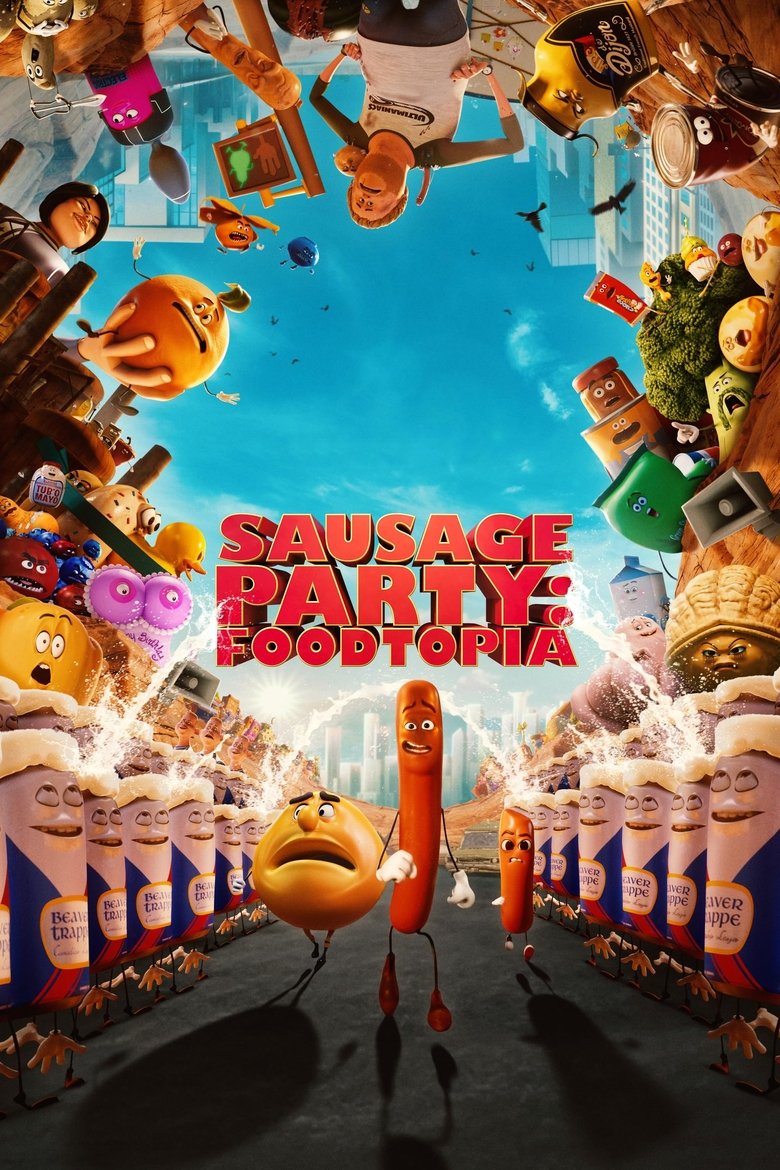
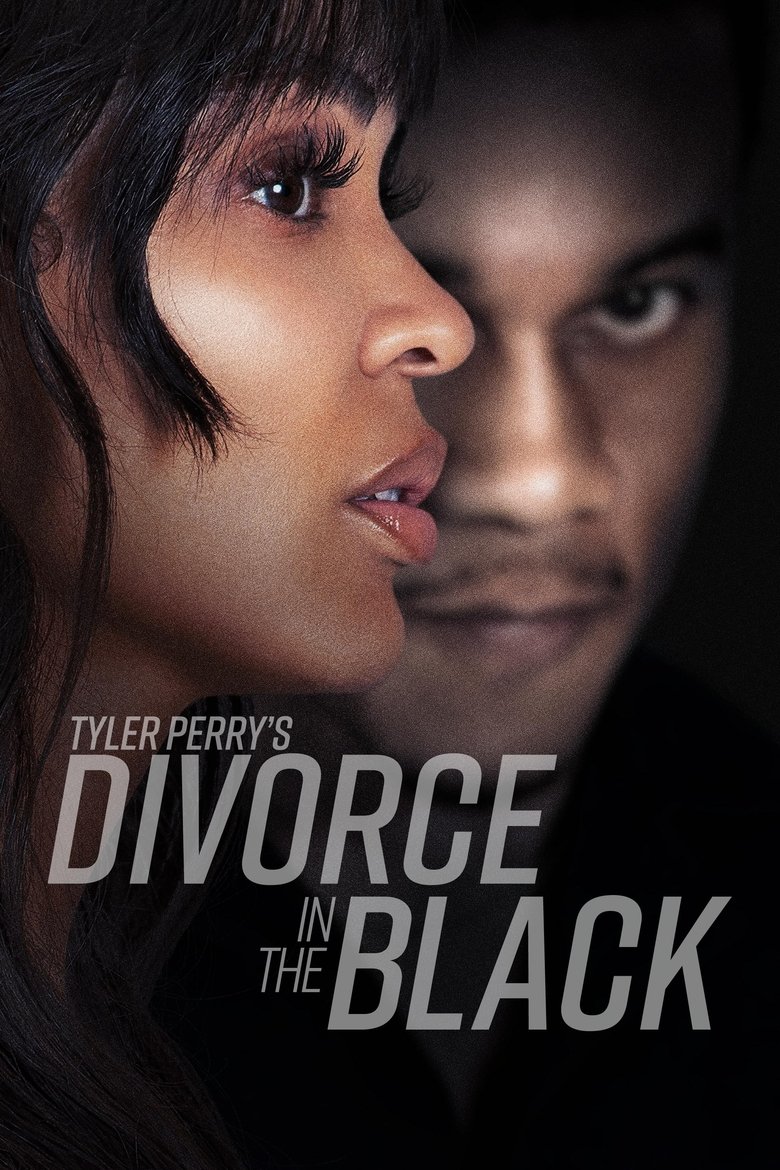
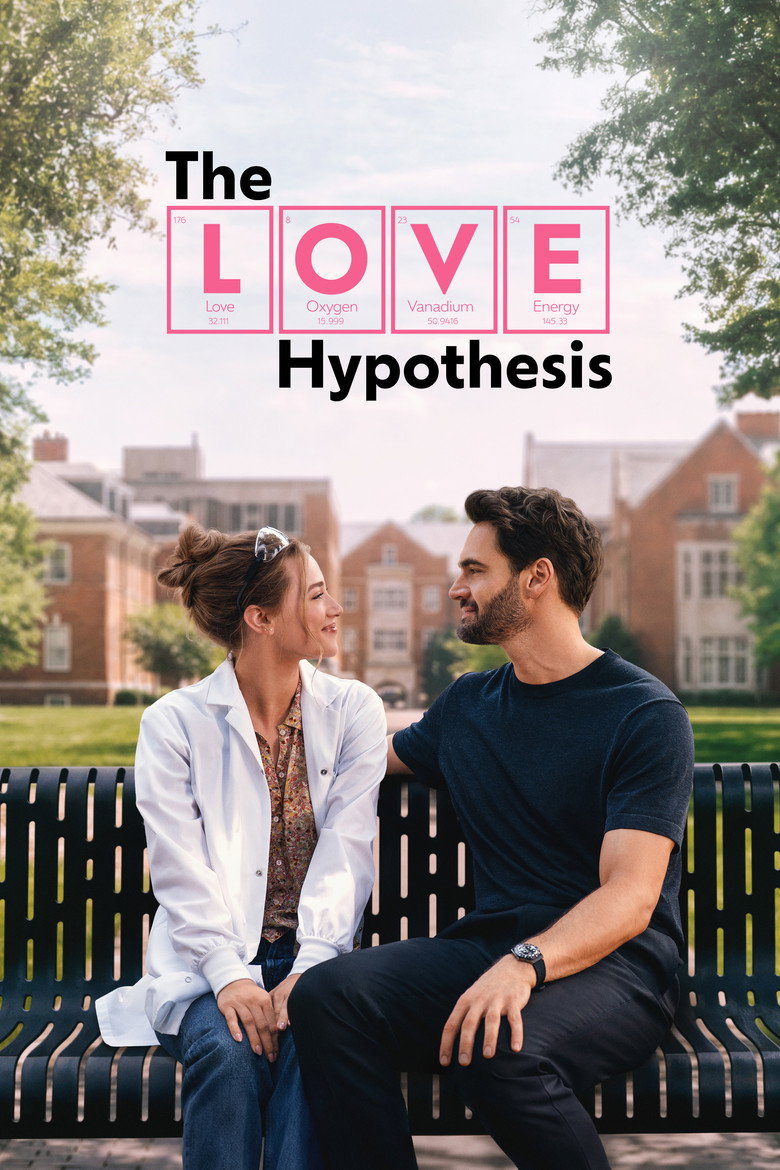
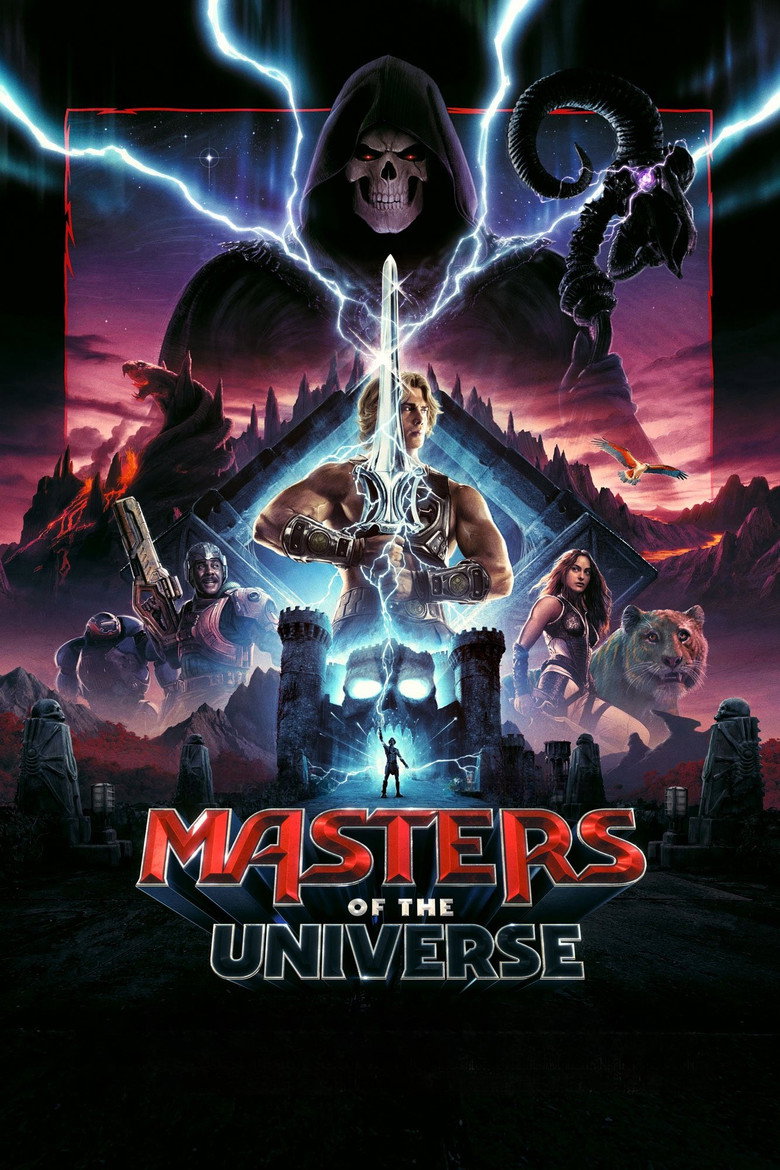
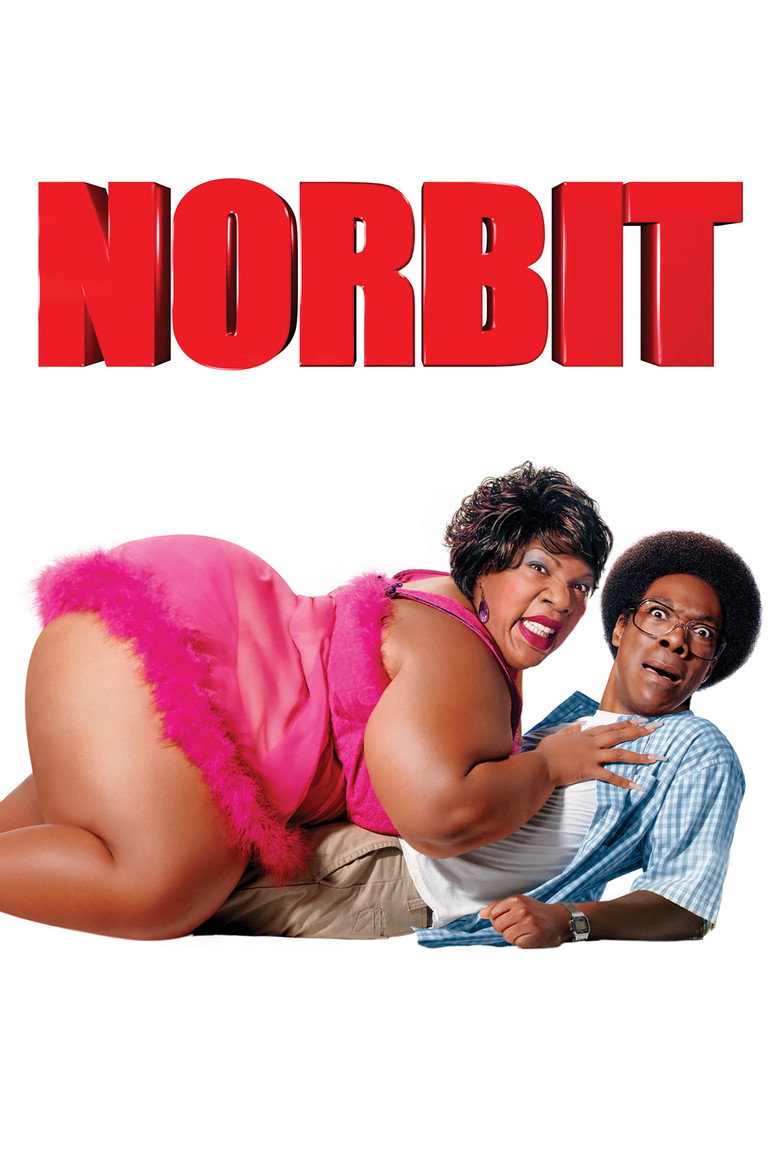
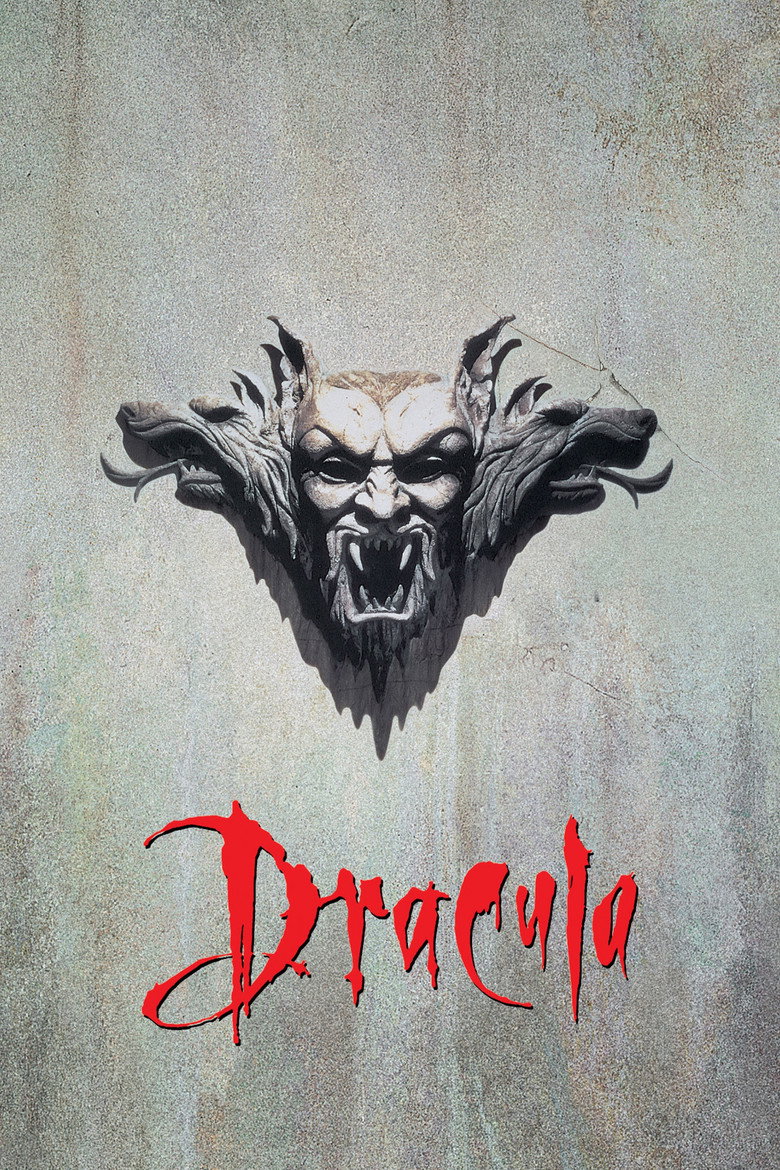
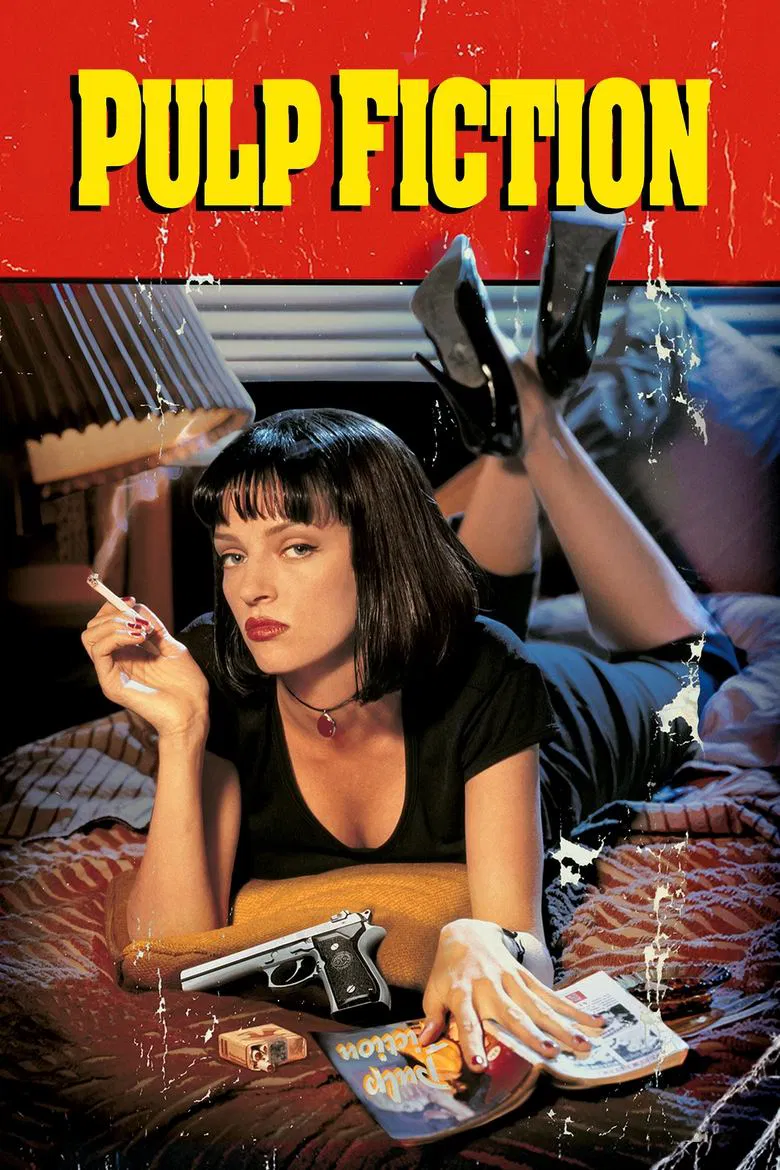
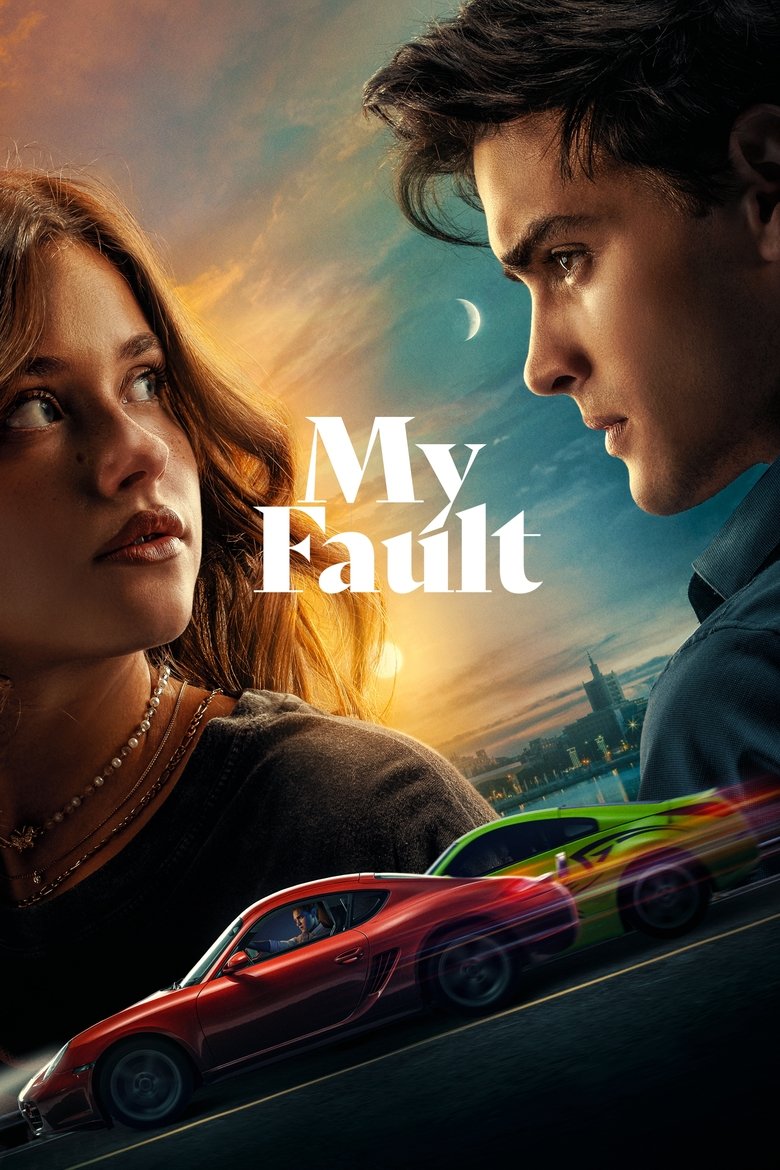
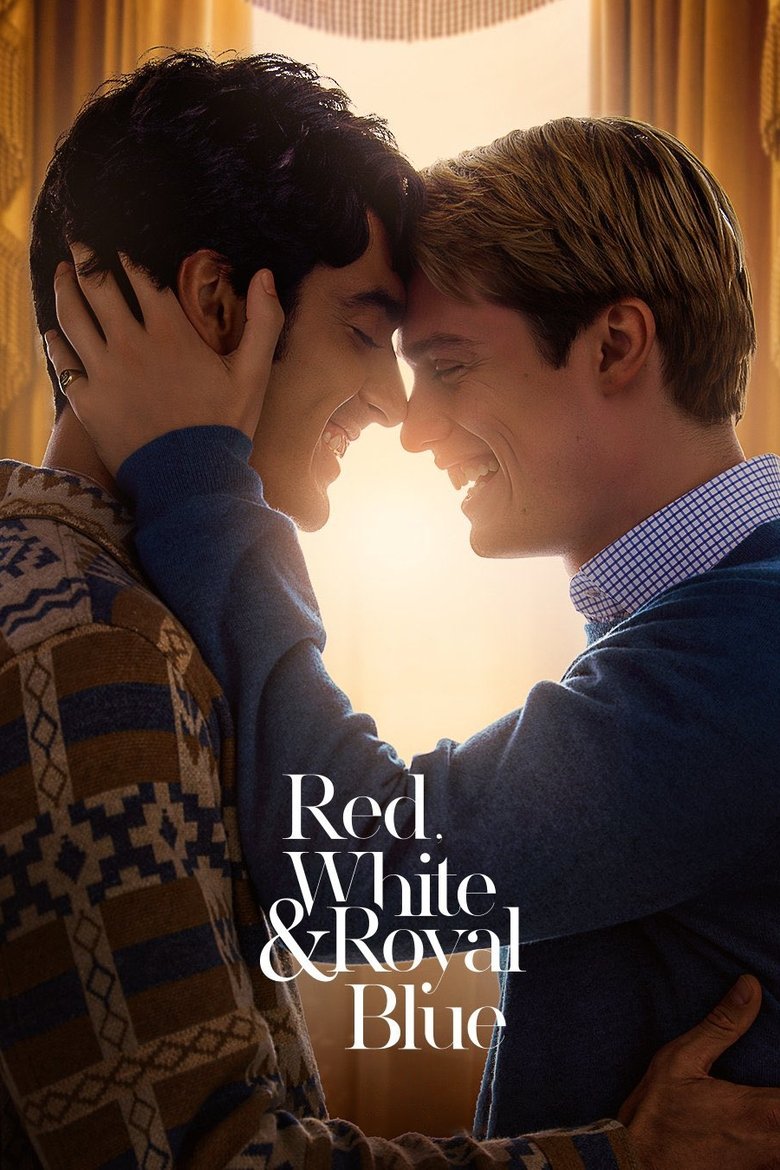
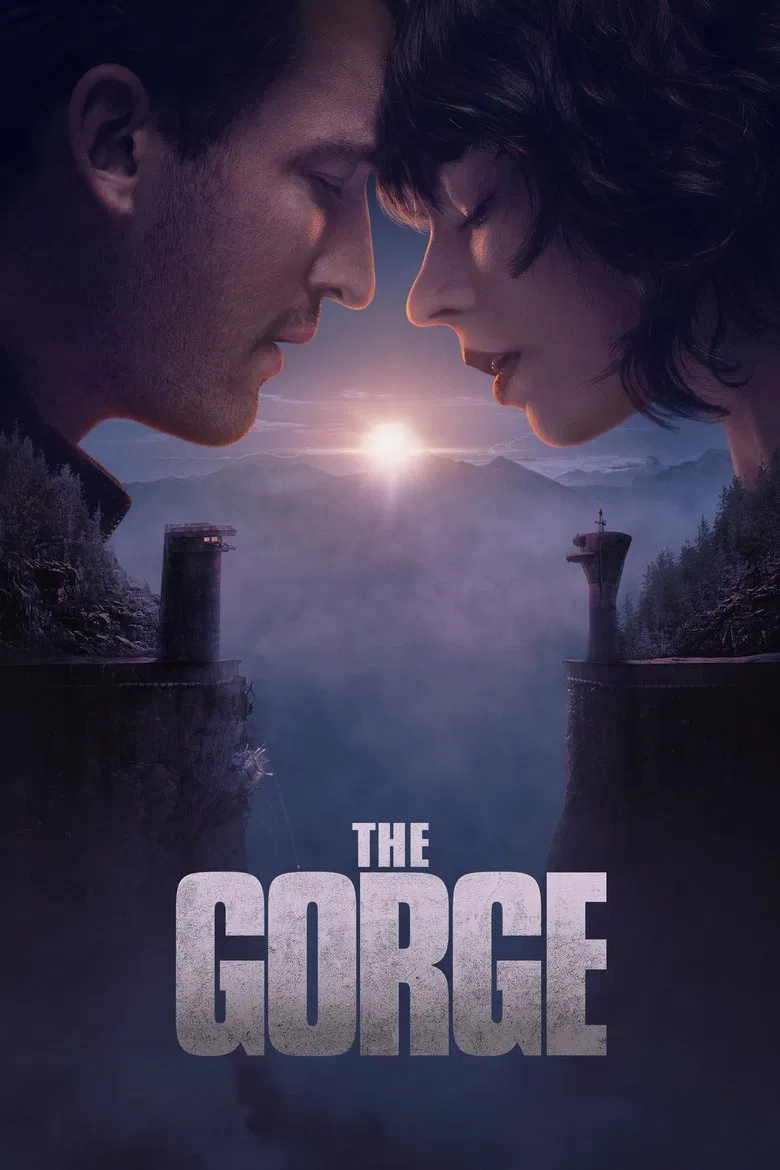
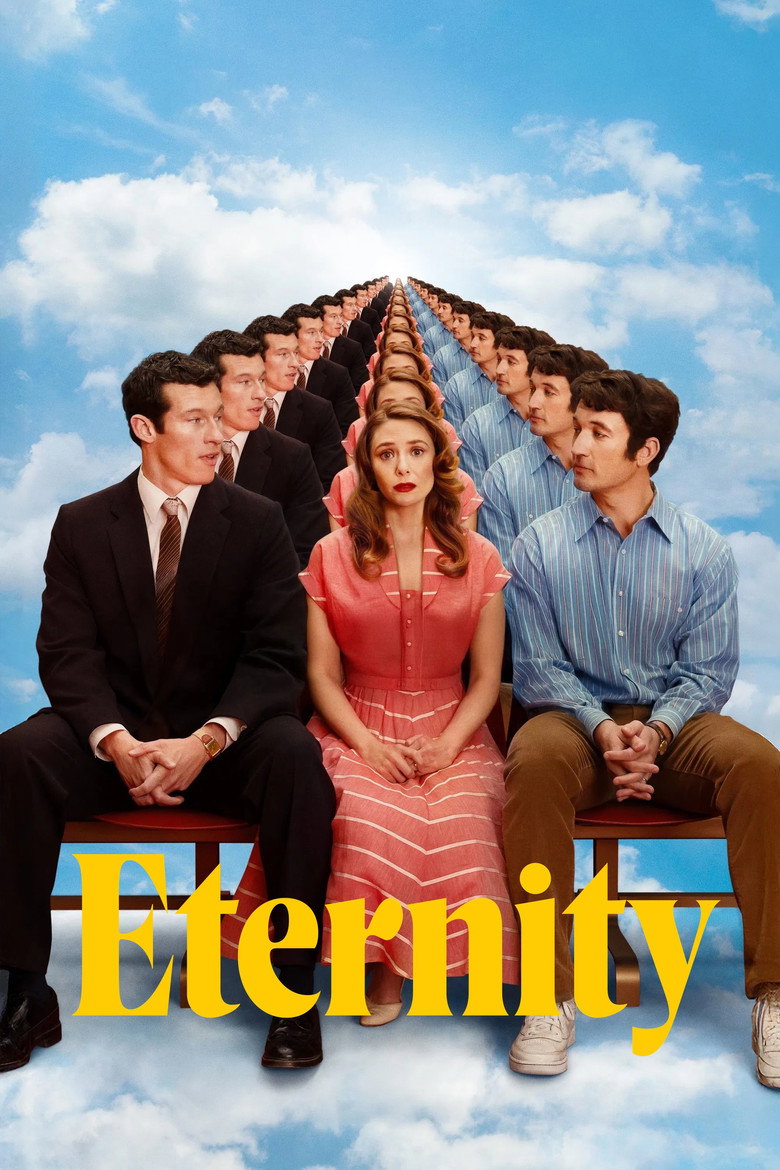
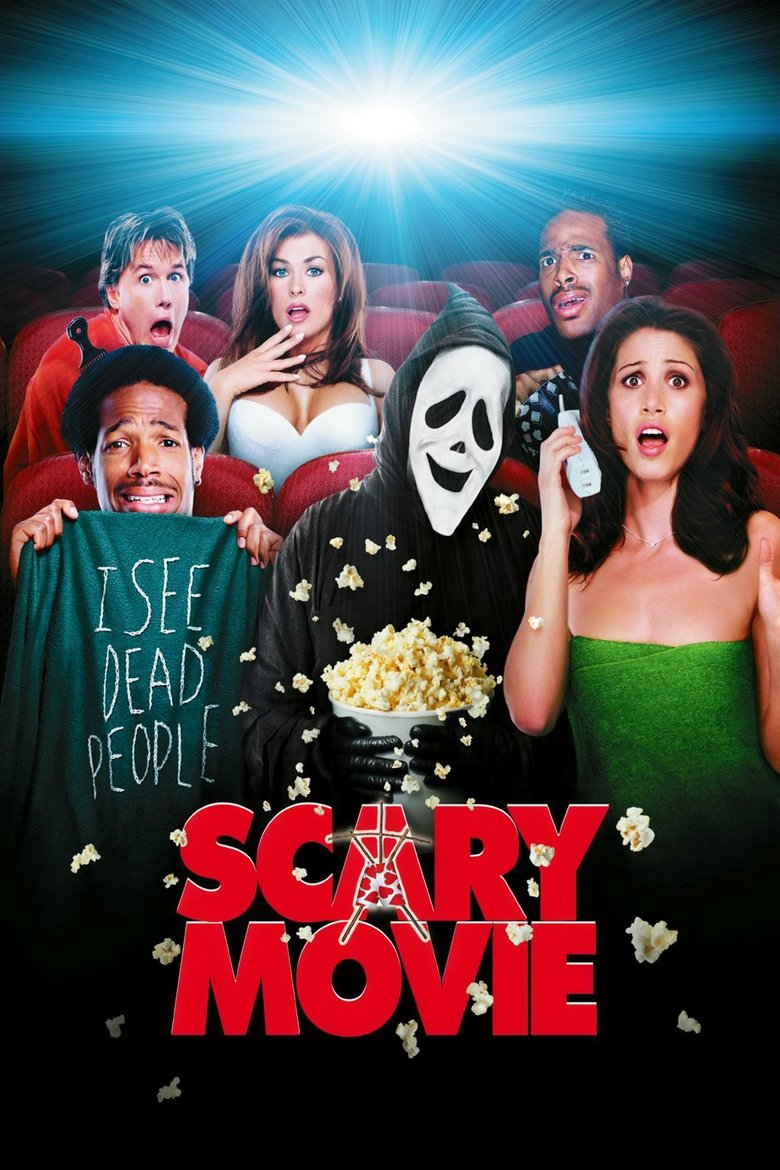
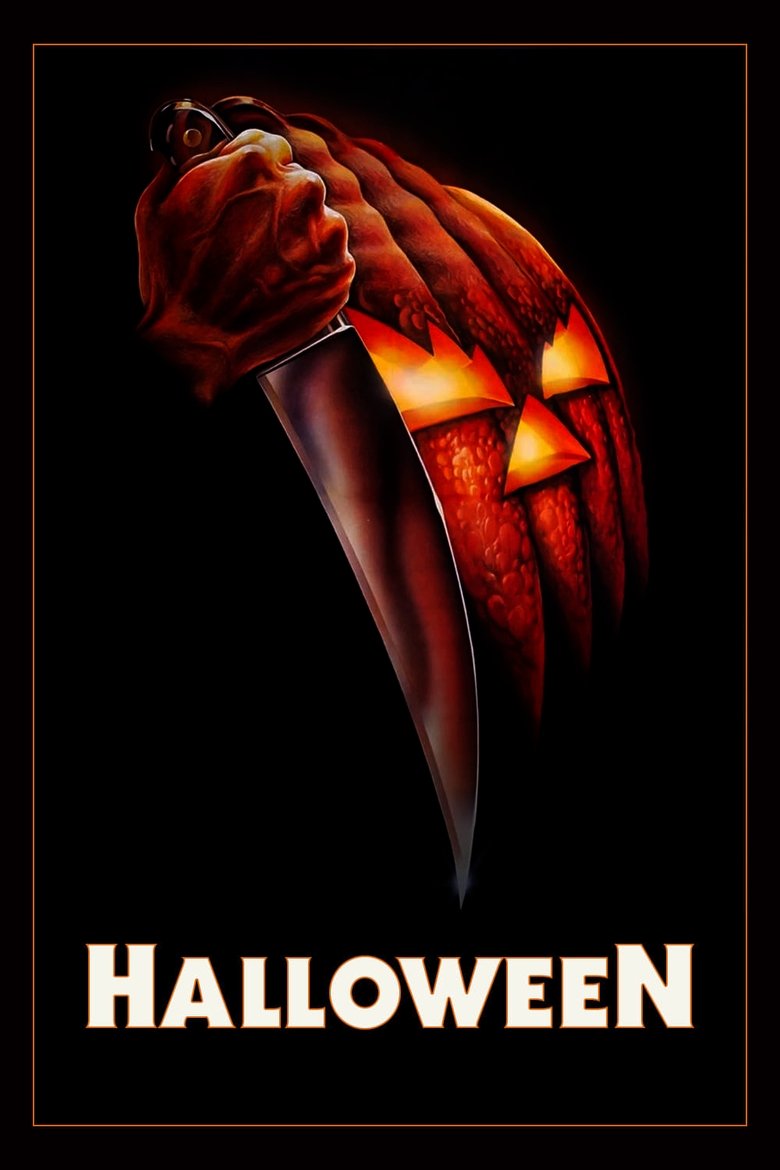
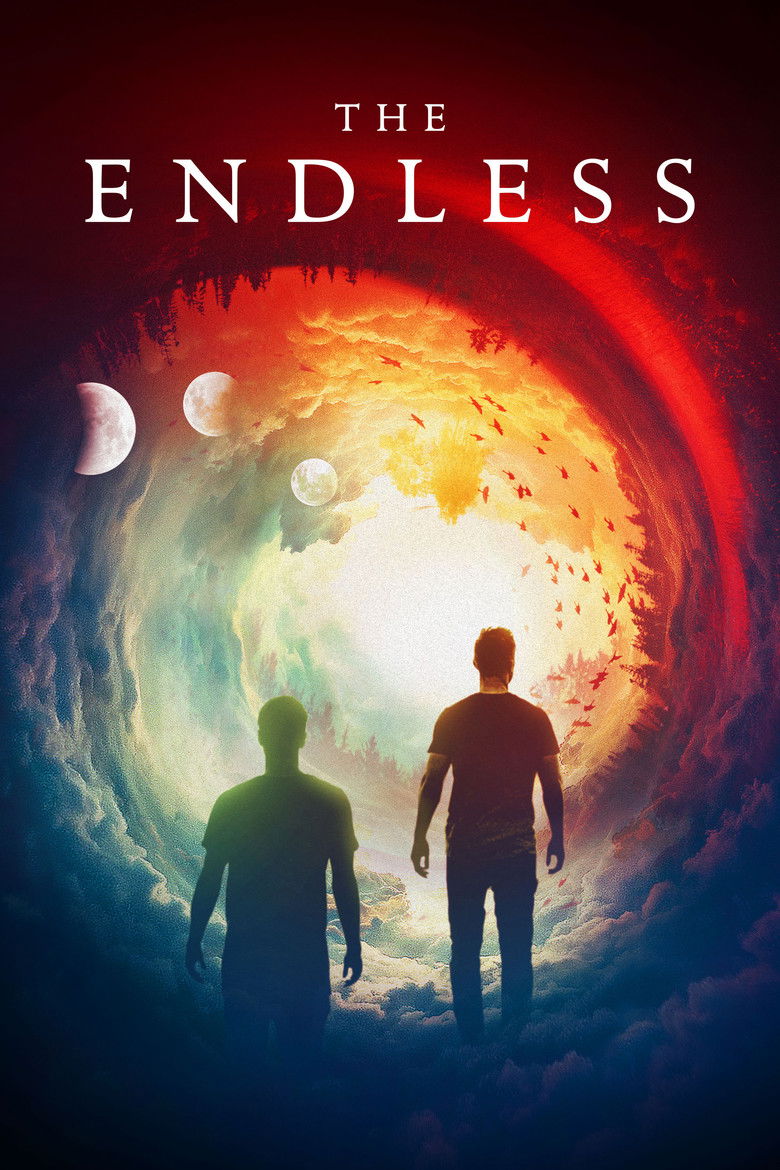
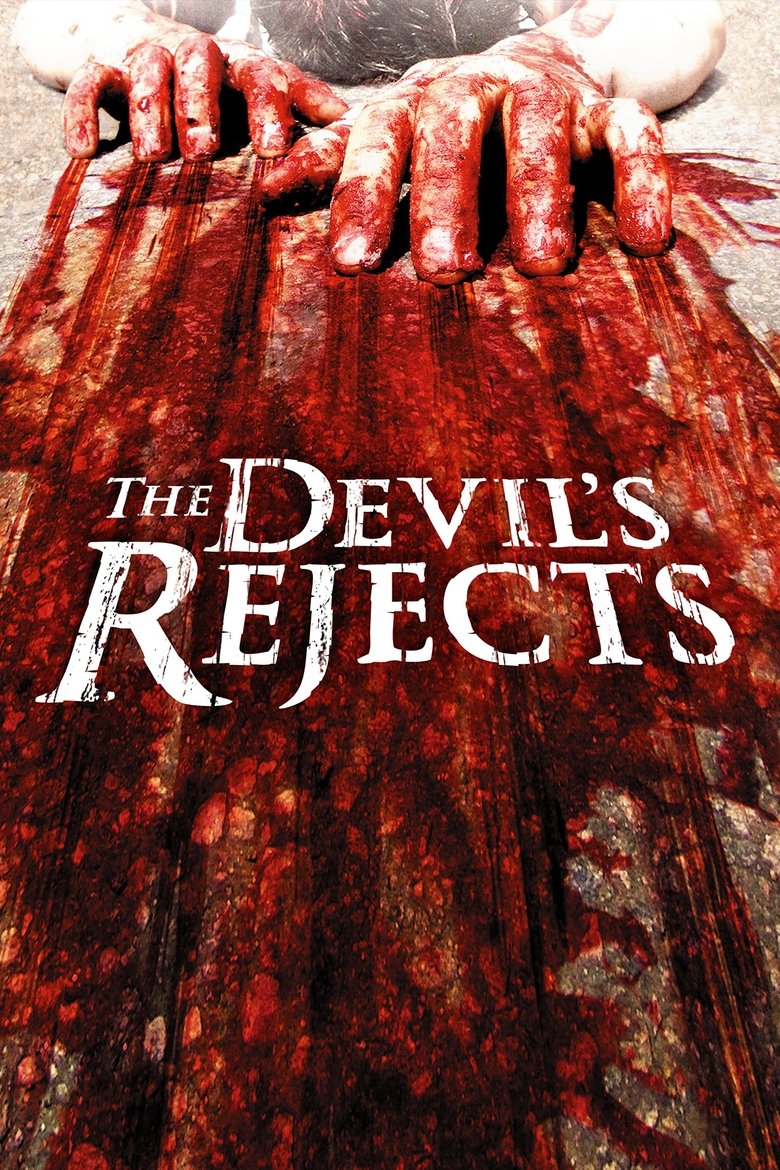
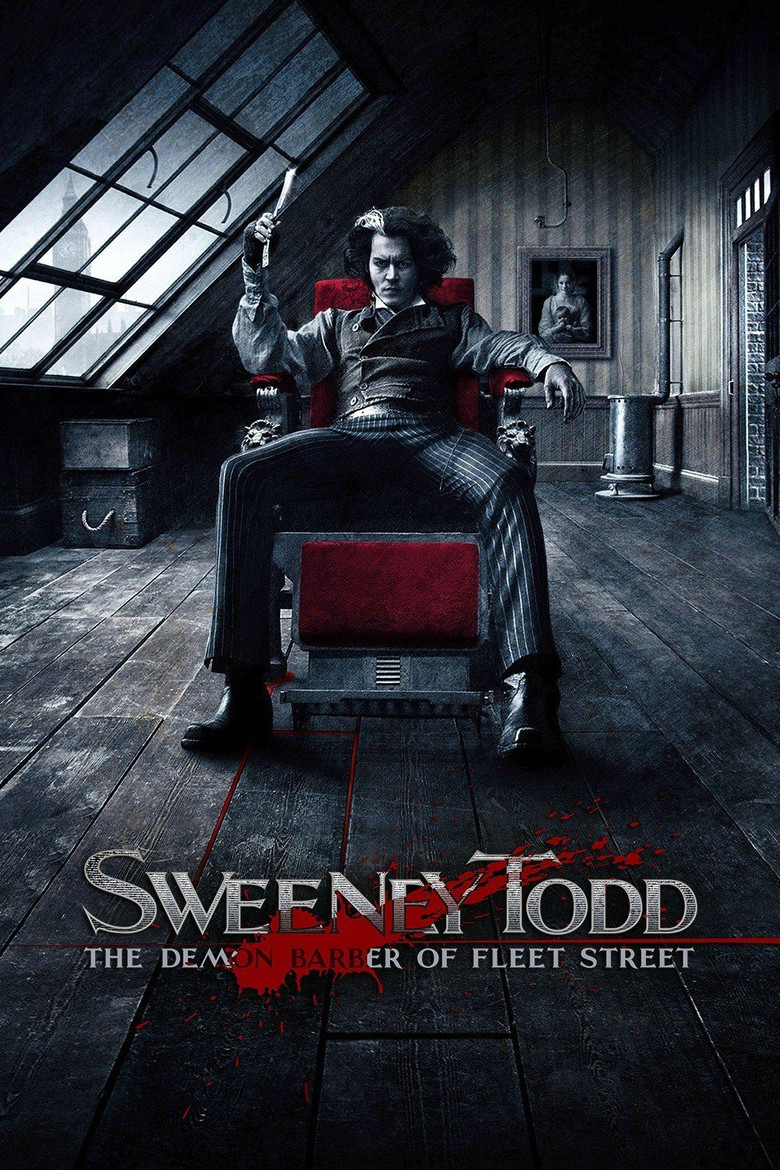
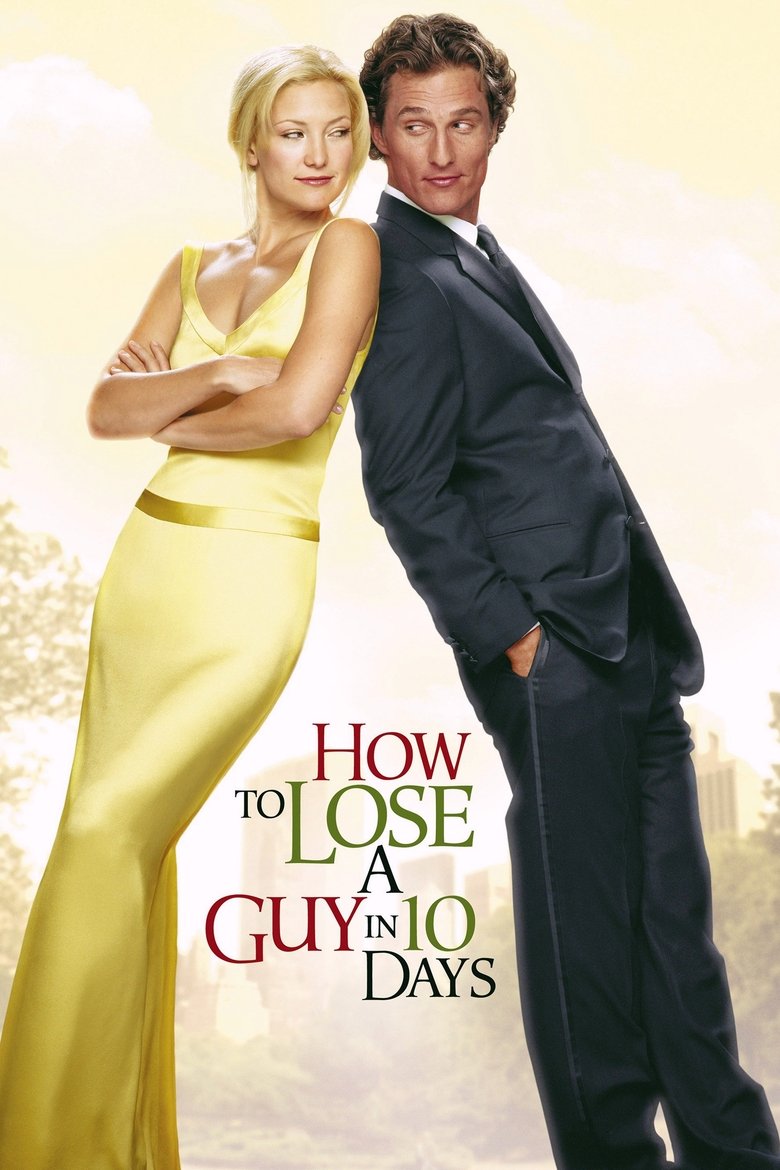
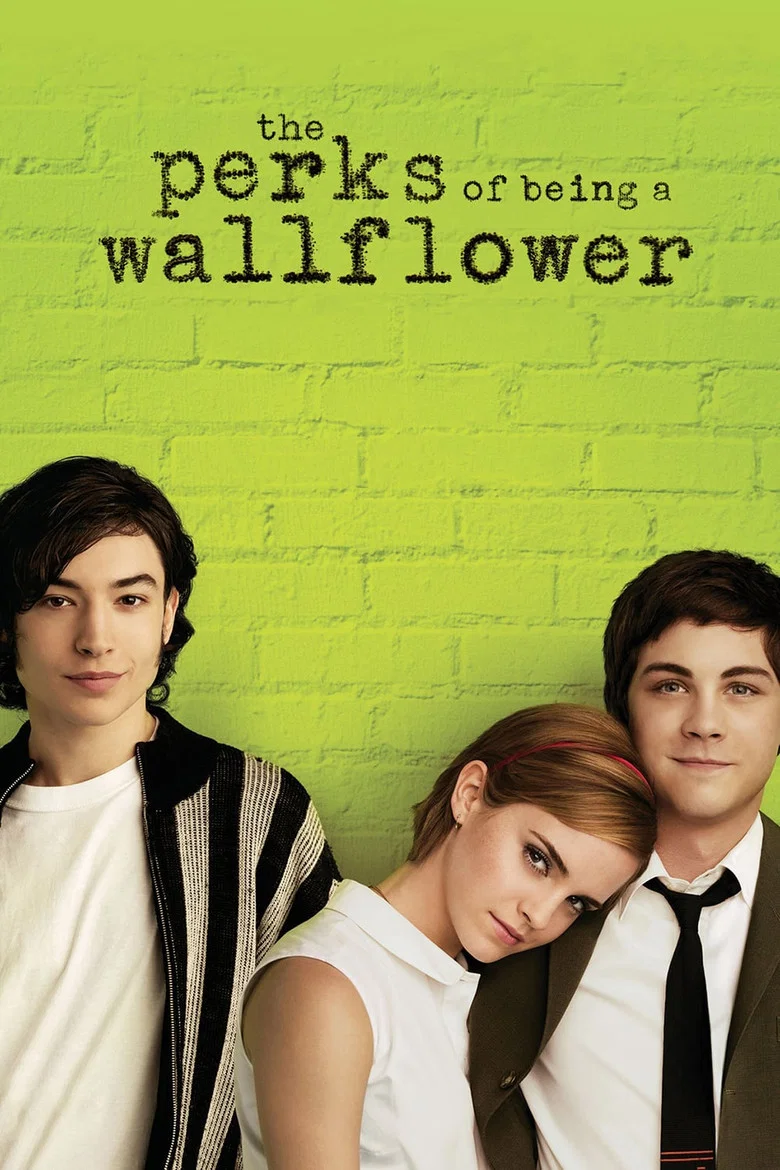
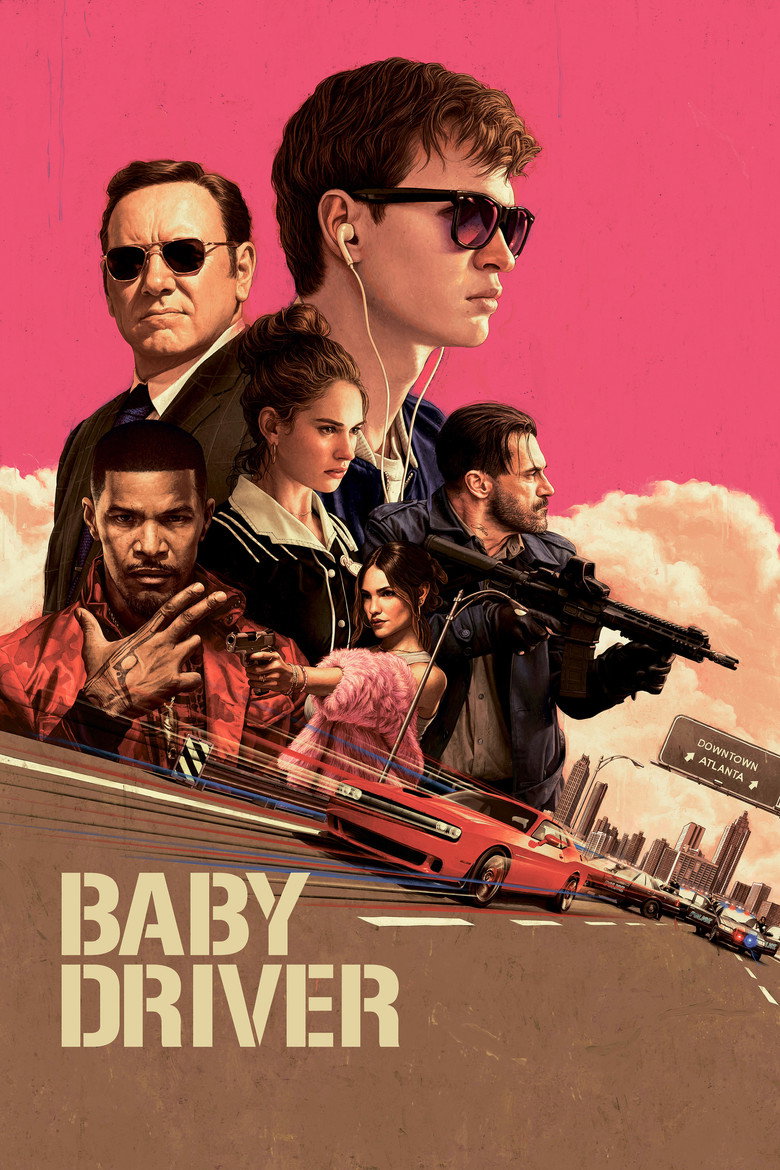
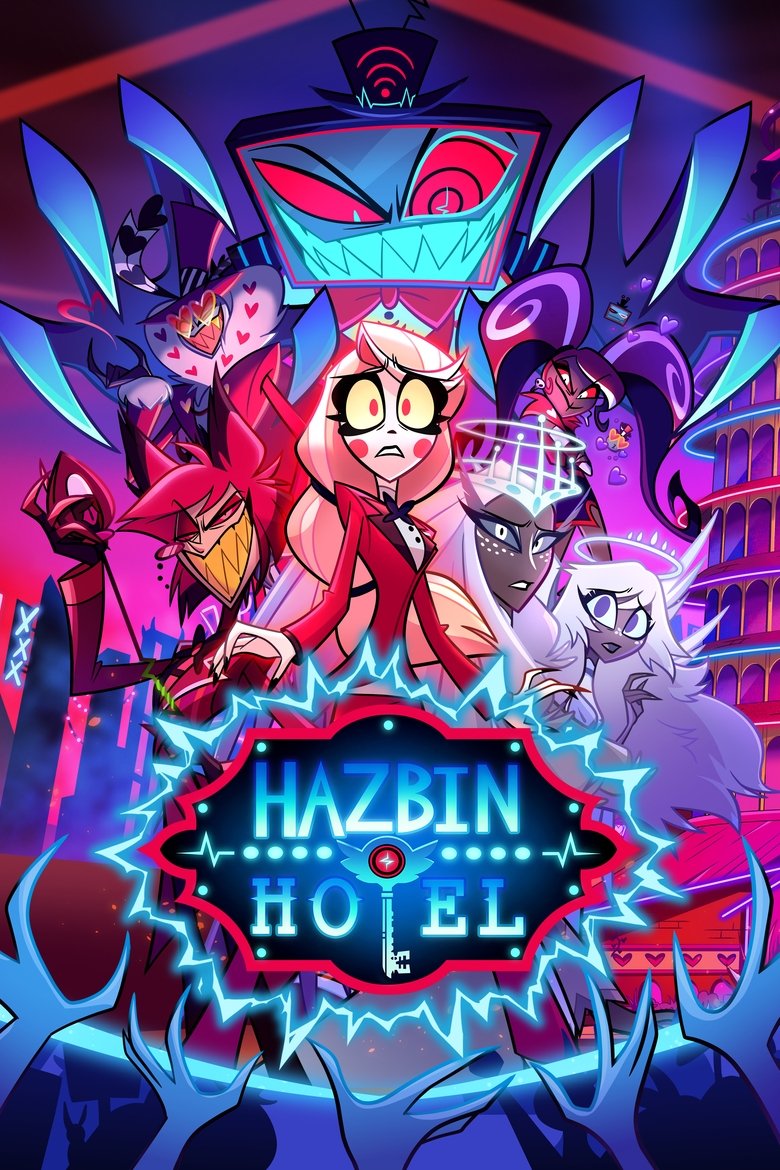
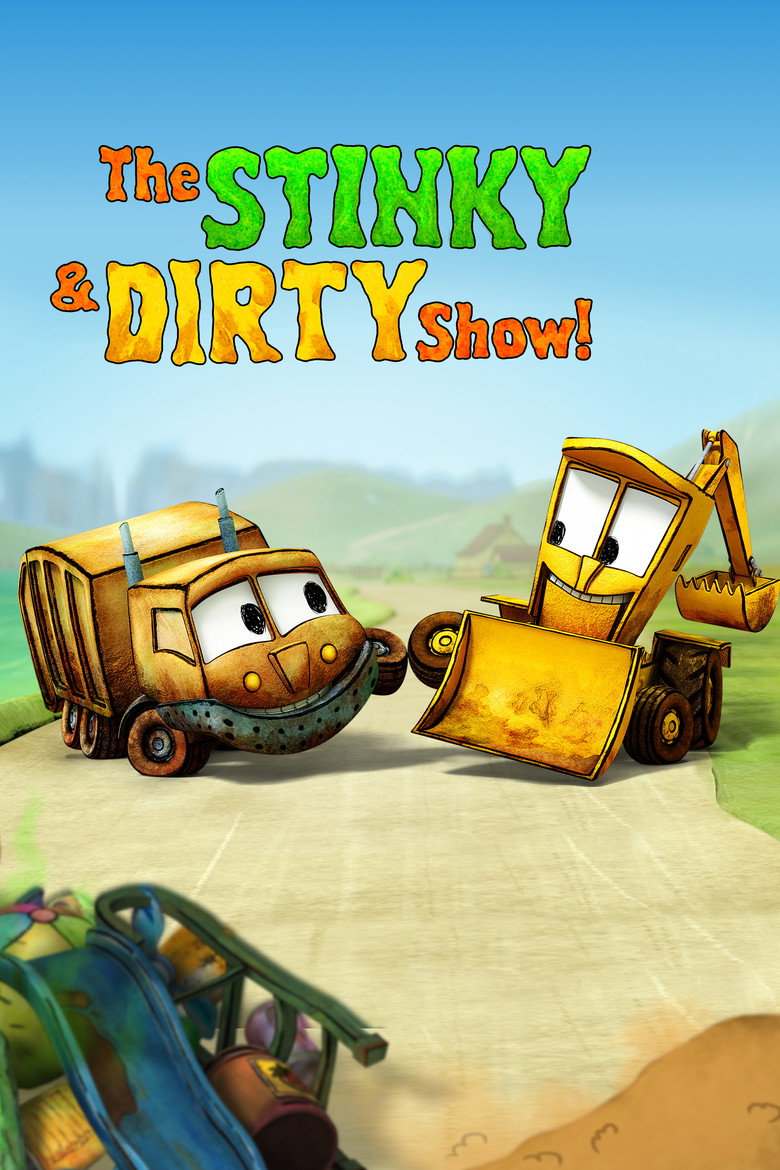
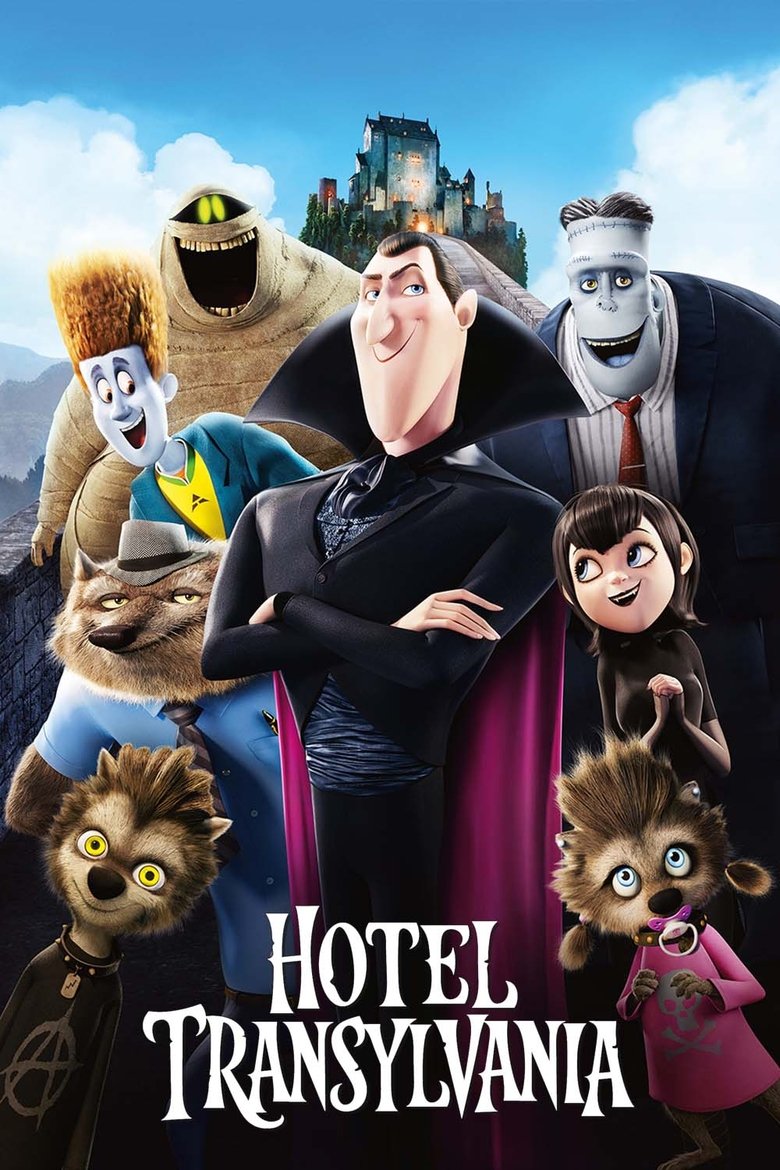
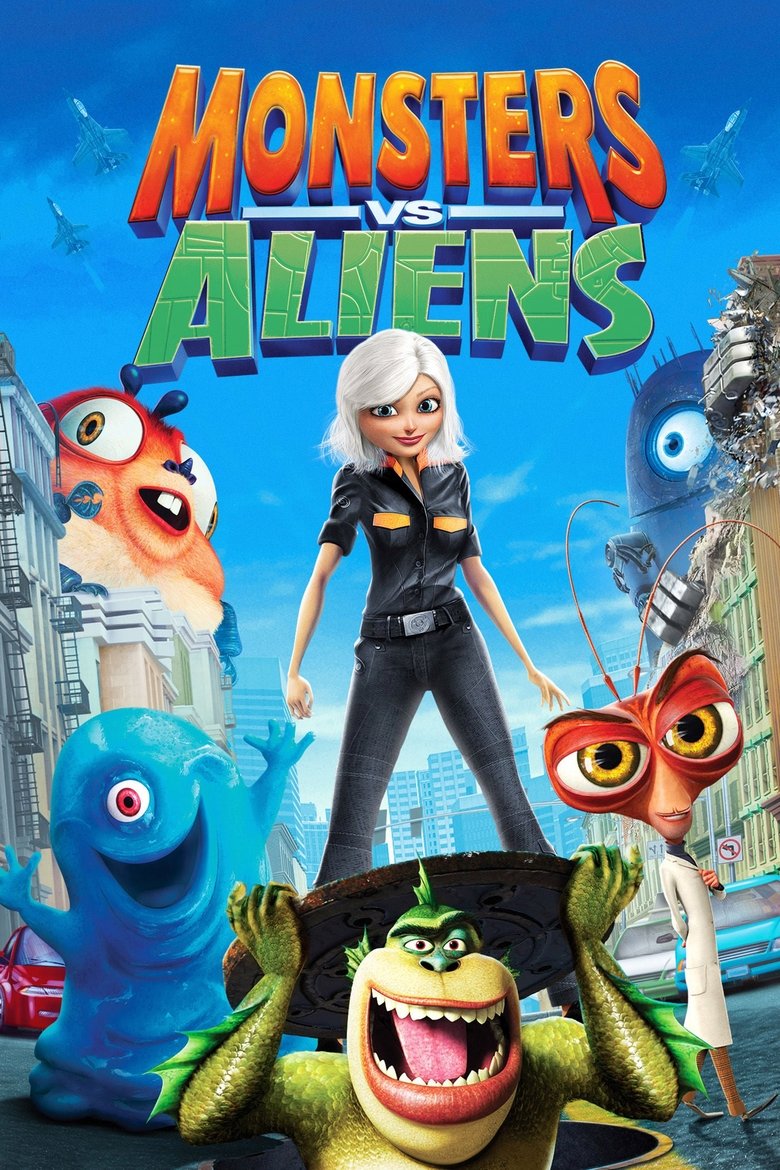
These are the pictures Netflix and Prime opened on. The row scores 42. A town in 1776, scored on the same eight questions, scores 91.












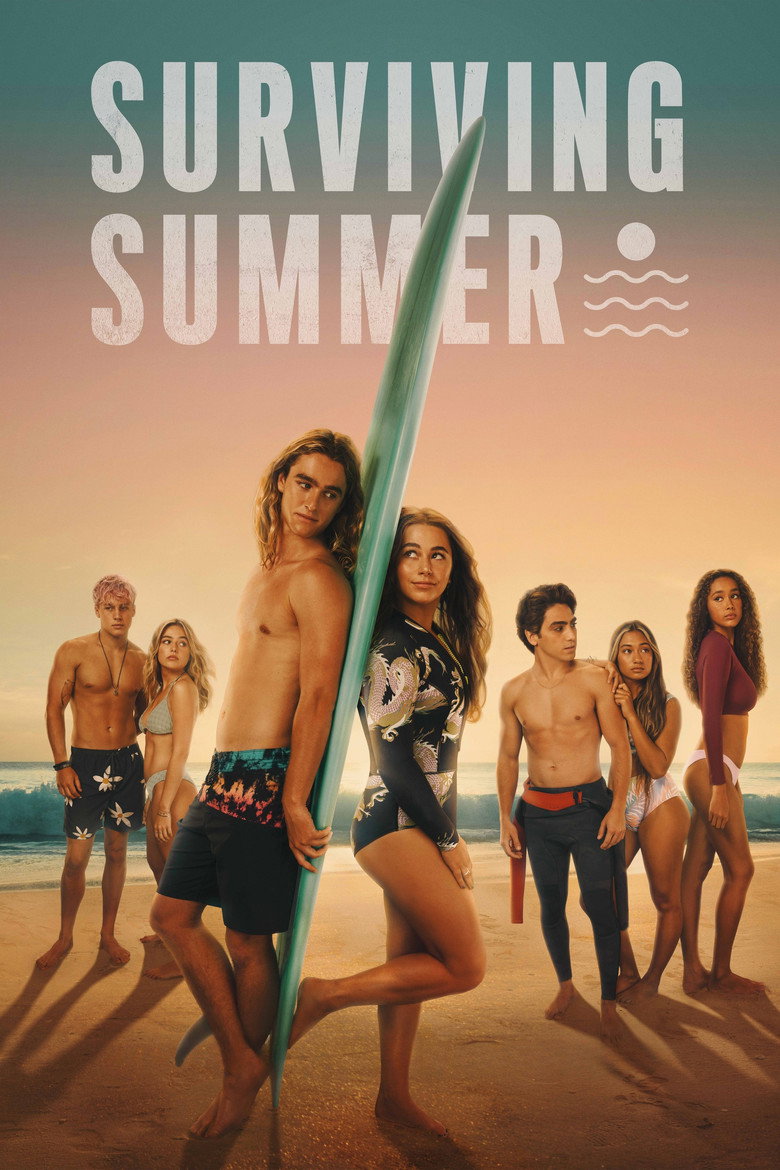


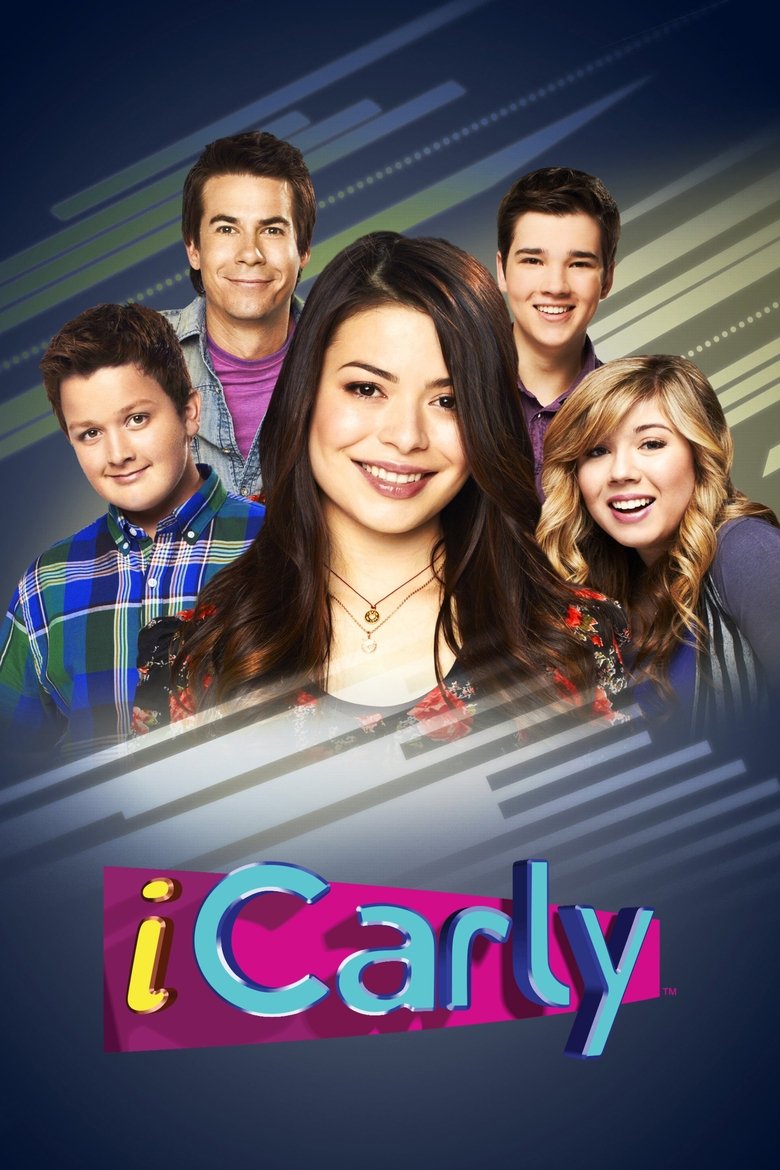
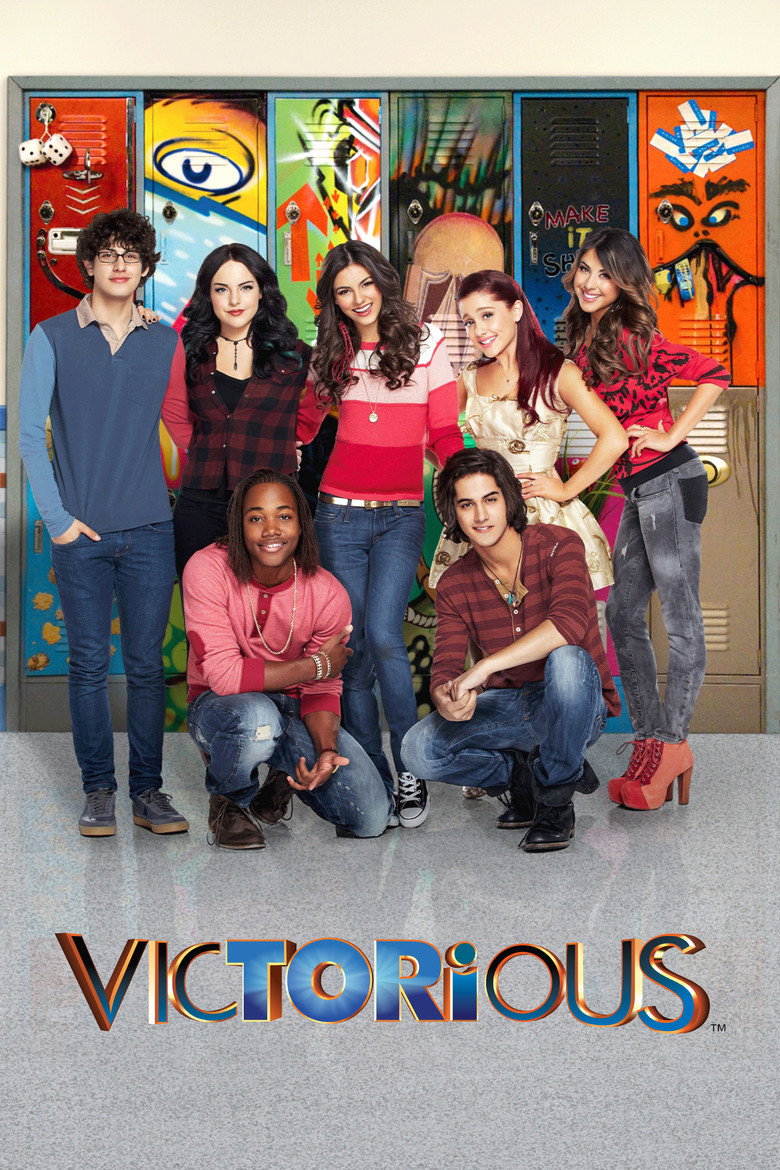
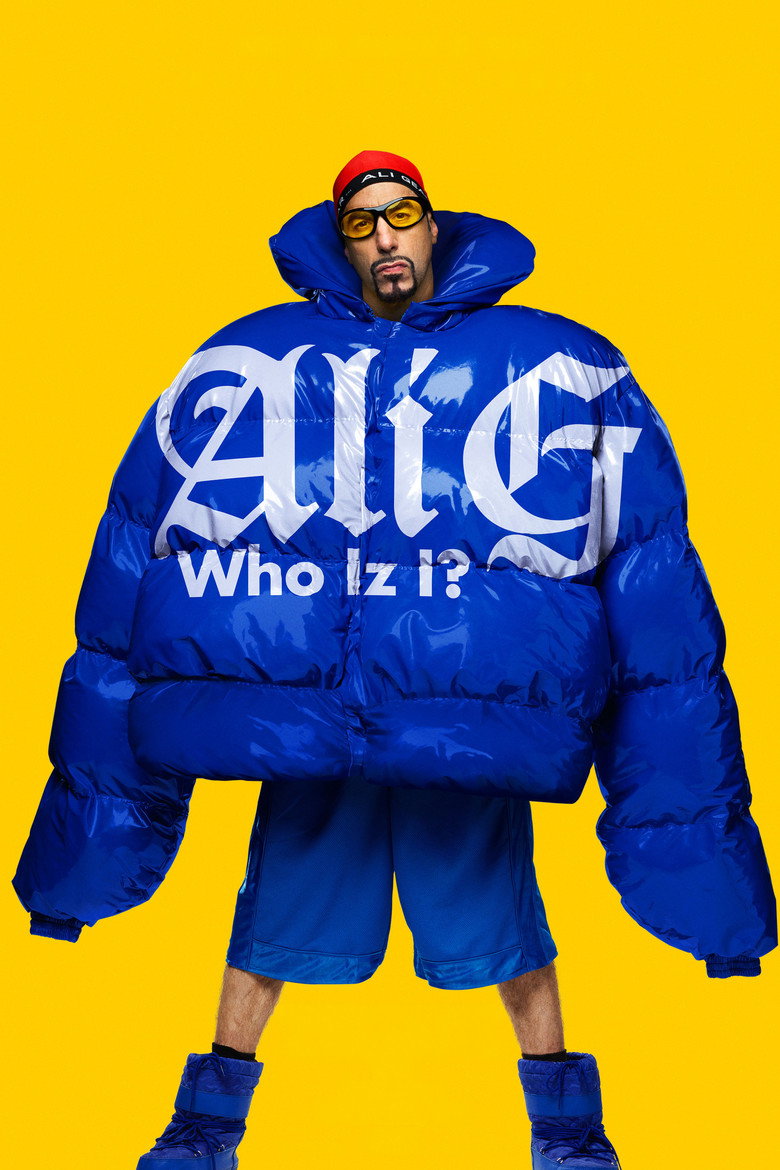















1776, the standard
91
This morning's row
42
Who is allowed to answer
1776
This morning
Whether a soul is real
This morning
What a child is given to learn
This morning
What a town is told
42
It will not make you better. 58 of 104 titles score under 45.
Netflix averages 47. Prime averages 38. Piety, the question of whether a soul is allowed to be real, averages 25.
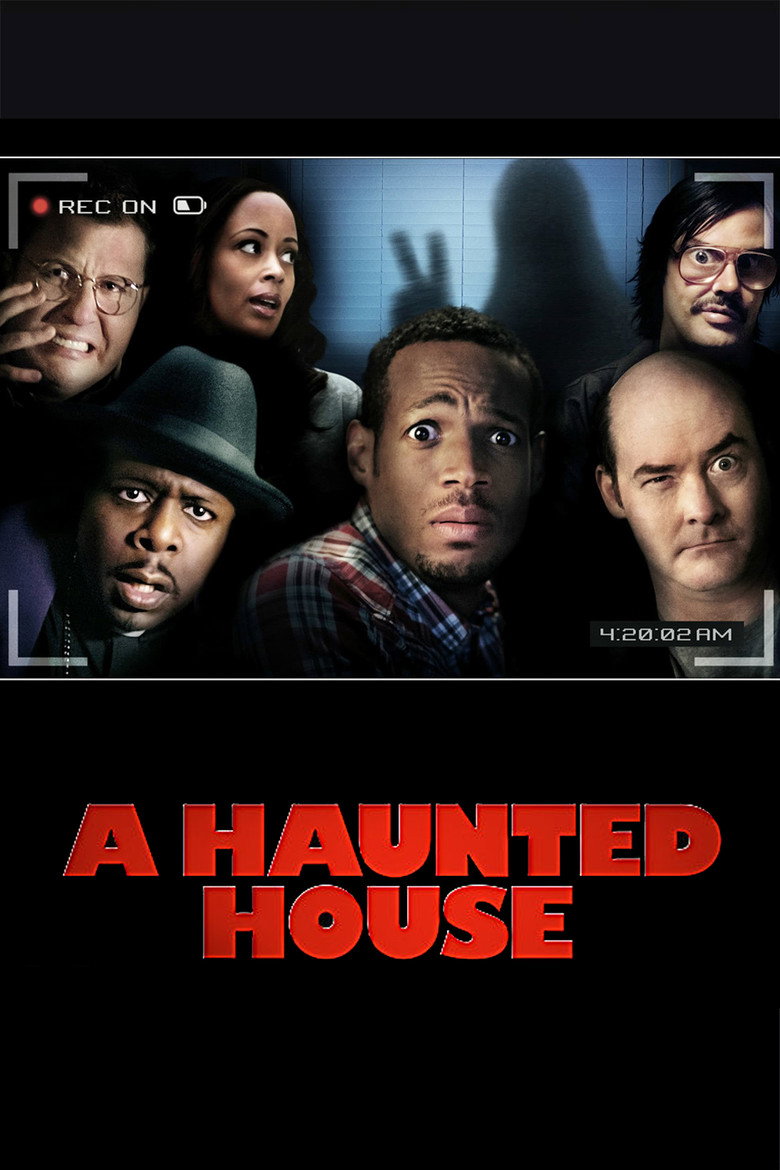
Lowest on the door: A Haunted House, 13. The Devil's Rejects, 13. Culpa Mía, 14.
One day
1776 · Morning
The New England Primer
School, or a chore beside a parent.
The alphabet, and a hard doctrine with it.
This morning
The row is what is open. Not a primer.
1776 · Midday
The tavern window, a song sheet
The square, the post rider, a fife coming through the market.
The war, and a tune taken from the British.
This morning
No post rider, no square, no fife. The next tile is the news.
1776 · Evening
The King James Bible
One candle. The father reads. The blank pages hold the births and the deaths.
Duty, and who the family is.
This morning
No one has to read aloud. The family is not gathered for it.
1776 · Night
A chapbook, or a voice
The fire. Jack the Giant-Killer, Babes in the Wood, a ghost, the last war.
Nerve, and a reason to stay out of the woods.
This morning
The warning tales needed a person. The row does not.
1776 · Pamphlet
The long argument. Cheap, small enough for a pocket, and often printed without the writer's name, because the charge was treason.
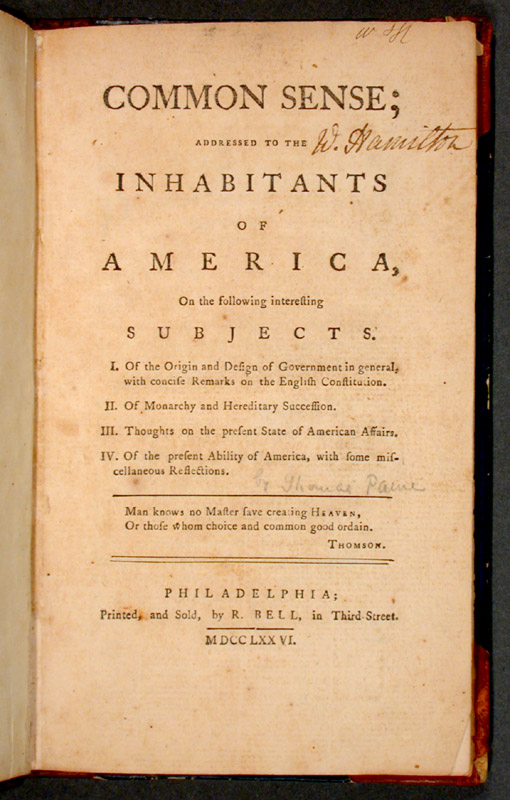
Common Sense
Thomas Paine. Philadelphia, January 1776. Plain words: a king is not a father, and the colonies should separate.
Passed from hand to hand and read aloud in kitchens and taverns. How many copies were printed is not known. Paine said 120,000 in a few months. Later claims ran as high as 500,000. Careful counts put a ceiling near 75,000, and some put the likely run between 35,000 and 50,000. The desk will not turn that argument into a percentage of the population.
Scored91The American Crisis
Thomas Paine, December 1776. It opens, "These are the times that try men's souls."
Washington had it read to the troops before they crossed to Trenton. A boy was not in the boat. In a camp town he could hear the sentence.
Scored91This morning
The row
Nothing on this door is a pocket argument. No one is asking whether a king is a father. The row is pictures, and the next one is already chosen.
1776 · Broadside
One sheet, one side. The breaking news. Nailed to a wall, a tree, or a tavern door, and read out loud.
The Dunlap broadside
John Dunlap, Philadelphia, the night of July 4 into July 5. The first printing of the Declaration. It did not yet carry the signers' names.
Congress ordered copies sent to the assemblies and to the army. The usual estimate is about two hundred sheets, not a stack in every house. John Nixon read it in the State House yard on July 8. It was read to the army in New York on July 9. A town heard it. A farm off the post road might not hear it for weeks. Two hundred sheets are not seventy percent of the people.
Scored93A song sheet
Lyrics only, no notes. A line at the top said which old tune to use.
A peddler sold it for a penny. You already knew the British tune, so you could sing the new words that afternoon.
Scored90This morning
The row
Nothing is nailed to a wall and read to the people standing there. A sheet heard in a yard is a different thing from a tile you can skip.
1776 · Newspaper
A few dozen papers, small runs, openly on a side. Towns copied one another. Nobody pretended the sheet was neutral.
The Pennsylvania Evening Post
Benjamin Towne, Philadelphia.
The first paper to print the full Declaration, on July 6. A child did not buy it. He heard it from the tavern door.
Scored90The Massachusetts Spy
Isaiah Thomas. He had already moved the press out of Boston.
Sharp, pictorial, anti-British. The early fights, told so a town would stay angry.
Scored90The Connecticut Courant
Hartford.
When occupation shut papers in Boston and New York, an inland sheet still carried the war.
Scored90Pennsylvanischer Staatsbote
Henrich Miller, Philadelphia. German.
On July 5 he reported that Congress had declared the colonies free. On July 9 he printed a German text of the Declaration. Steiner and Cist, who had already printed Common Sense in German, put out a German broadside that week. A German-speaking house was not left outside the sentence.
Scored90The Loyalist sheet
James Rivington's New York Gazetteer had been the loud paper for the king.
Patriots wrecked his shop in 1775 and he left. The argument did not vanish. In a town the British held, the paper could say the other thing. A child heard whichever army was in the street.
Scored90This morning
The row
Those papers took a side and printed the side. This row does not say what it is for. It continues.
1776 · Almanac
Beside the Bible, the book most houses actually kept. Weather, planting, money tables, a joke, and often a political essay dressed as the calendar.
Poor Richard's Almanack
Benjamin Franklin wrote it from 1732 to 1758. By 1776 the name was still in the house, in other men's hands.
Hung on a nail. Used all year. Not a story you finished. A tool you lived with.
Scored91Bickerstaff's Boston Almanack
A patriot almanac.
The planting charts carried the argument. You met the war while you looked up the frost.
Scored90This morning
The row
An almanac was kept the whole year and used. Nothing here is a tool for the frost or the field. It is over before breakfast is.
1776 · Spoken
The widest room. If you could not read, the year still reached you, because someone stood up.
The tavern
The post rider came in blowing a horn and left the papers.
A literate man stood on a chair and read. A thirteen-year-old, too young for the drink, stood at the window. That is how he heard about Boston, and about the Declaration.
Scored90The pulpit
Sunday.
The minister told the week as well as the text. For a lot of houses, that was the news.
Scored90The square
A sheriff, a crier, an officer.
Orders and the Declaration, read where people already were. Anger was also visual: a straw figure of a royal official or a loyal merchant, paraded and burned. A boy went with the crowd.
Scored90This morning
The row
Someone stood on a chair, or in a pulpit, or in the square. This morning nobody stands up. A thirteen-year-old meets it alone.
1776 · School
What a child was made to know by heart, or to buy for a penny and trade.
The New England Primer
The schoolbook. Alphabet rhymes welded to doctrine. "In Adam's Fall / We sinned all."
Memorized at school or at the morning chore. Nearly every literate child in New England had it by heart. The South put fewer children in that room.
Scored91A Little Pretty Pocket-Book
John Newbery, London, 1744. Imported and copied. Letters paired with games.
A gift, in a house that could spare the money. Not the book an apprentice was handed.
Scored90The History of Little Goody Two-Shoes
1765. An orphan with one shoe. A rich man buys the pair. Work and reading are how she rises.
Read at night, or by an older child to a younger one. A story about a house you do not have yet.
Scored90Chapbooks
A penny from a peddler. Jack the Giant-Killer, Tom Thumb, Guy of Warwick. Short, pictured, cut down from longer British tales.
Bought with a spare coin and traded. This is the shelf children actually passed around. Jack and the Beanstalk, which this desk has scored, is a different story. Do not mix them.
Scored90This morning
The row
The Primer was memorized, doctrine and all. This row does not ask to be learned. It asks to be continued.
1776 · The book in the house
Read every night, and heard by people who could not read it.
The King James Bible
The book most houses had, and often the only one.
The father read it before bed. Births, marriages, and deaths were written on the blank pages. Enslaved people and neighbors who could not read still heard it quoted.
Scored100The Pilgrim's Progress
John Bunyan. Christian walks from the City of Destruction to the Celestial City.
For a child it plays as a journey: a demon, a swamp, a giant. It is still a religious book. Winter nights, read aloud.
Scored91Robinson Crusoe
1719, already cut down into chapbooks a peddler could sell.
A shipwreck, work, and a long obedience. A learned house might also have the Odyssey. Most children did not. They had the Primer and a penny story.
Scored91This morning
The row
The Bible was the book in the house. It was read every night, including to people who could not read it. On this row, piety is the low number. It averages 25.
1776 · The fire
Told from memory. Paper was expensive. A warning more often than a comfort.
Beauty and the Beast, Red Riding Hood, Jack and the Beanstalk, and Bluebeard are in the average too. That is not a claim that every child knew them.
Cinderella
Told, more often than read. In English chapbooks she is The Little Glass Slipper.
A grandmother, a mother, a hired hand. The fire, because candles were scarce and paper was dear.
Scored90Whittington and His Cat
A poor boy, a cat, and a fortune made in London.
The same hearth. A story about leaving and still coming back rich.
Scored90Babes in the Wood
Orphans left in a forest.
A warning, not a comfort. Do not wander. Do not trust the stranger. A lot of the night tales were built to frighten a child into staying put.
Scored90The family's own war
The French and Indian War had ended in 1763. A grandfather in 1776 had been in it.
No book. The voyage over from England, Germany, or Ireland. Who died. Who held the farm. This was the history a child could not look up.
Scored90Ghosts
The town's own.
A hanging ground, a witch story, a light in a swamp. Superstition was ordinary. It was told as fact.
Scored90This morning
The row
A voice, a warning, a grandfather's war. Paper was too dear to waste. This morning the story does not need a voice in the room. It plays.
1776 · The street
A penny for the words. You already knew the tune. You sang them with other people.
The Fate of John Burgoyne does not belong here. Saratoga was 1777. Chester's verse about a tyrant's iron rod was printed in 1778. The tune was already sung. Those later words were not.
Yankee Doodle
Written to mock a ragged militia. The joke was a feather in the hat.
Americans kept it. When the British left Boston in March 1776, the band played it at them. Fast enough to march to, with a pot for a drum.
Scored90The Liberty Song
John Dickinson, 1768. Sung to the British navy tune Heart of Oak.
"By uniting we stand, by dividing we fall." The chorus a crowd could shout: "In freedom we're born, and in freedom we'll live." Taverns, and the lighting of a liberty pole.
Scored90Chester
William Billings of Boston. A meeting-house tune already in the air.
In 1776 a child knew the tune. The verse about a tyrant's iron rod was printed in 1778. Do not put those later words in a 1776 mouth.
Scored90Free America
Set down to Joseph Warren, killed at Bunker Hill in 1775. To the tune of The British Grenadiers.
A dead man's song, treated as such. It told a boy the country would outgrow Rome and Britain. That is a large thing to sing at thirteen.
Scored90This morning
The row
A penny, a tune the town already knew, sung out loud at the British. This morning is not a street. If there is a song, it is private.
The eight questions
The figure is this morning's mean. The sentence is where that question lived in 1776. The works named in the rows above have their own scores. Open one.
Industry
Does anyone here do a real job, and does that job matter?
This morning
50
1776. An apprentice's day, a planting chart, a chore before school. The almanac was a tool. Work was the day itself, not a montage.
Household
Is a marriage, a parent, or a child a real life here, or just a prop?
This morning
44
1776. The father read at night. Births and deaths were written in the Bible. Goody Two-Shoes is a child with no house, and the story treats that as the thing to be repaired.
Piety
Can conscience actually stop someone, or is reverence only in the shot so it can be mocked?
This morning
25
1776. The Primer, the pulpit, Bunyan by the fire, and the Bible. Conscience was the spine of the schoolbook. It was not a costume.
Courage
Does anyone risk something they would miss, or is it only noise?
This morning
49
1776. Paine's Crisis was read to men about to cross a river in the dark. A boy was not in the boat. He heard the sentence, and he sang Yankee Doodle after the British left Boston.
Republic
Does anyone owe a neighbor, a law, or a town — or is every person out for themselves?
This morning
38
1776. Common Sense in a pocket. The Declaration posted, then read in the yard. A song that said you stand by uniting. The papers took a side in the open, including the side that wanted the king.
Temperance
Is appetite shown and then put down, or are you being trained to want the next one?
This morning
40
1776. The tavern held the news, and a child stood at the window. The night tales were often warnings: the woods, the stranger, the one shoe. Appetite was not the hero of the evening.
Truth
Does a promise still hold, and does a lie come with a bill?
This morning
51
1776. Paine wrote so a crowd could hear him, and left his name off the first printing because the charge was treason. The papers were biased and did not pretend otherwise. A German paper printed the Declaration so that house could hear it too.
Stewardship
What is left for the people who come after — a place, a craft, a name?
This morning
39
1776. The almanac was kept the whole year. The blank page in the Bible was the family's memory. A lyric sheet cost a penny and was sung until the town knew it. Nothing in that room was built to start the next thing by itself.
Only where a number exists
Not a poll. Each number is the mean of titles this desk has scored. 1776 on this line is the whole landscape above, not only the books. The later years are what a house then put in a child's hands. This morning is the whole Netflix teen row and the Prime door.
1776
91
35 in the landscape
1920
70
13 titles
1940
69
20 titles
1960
71
20 titles
1980
66
32 titles
2000
64
35 titles
Now
42
104 on the row
1920. The novels and the tales a school and a parlor still handed over.
1940. The pictures a town took a child to, the songs the house played, and the books still on the shelf.
1960. What a school assigned, and what a Saturday put on.
1980. The films a house rented, the show still in reruns, and the book a youth group handed over.
2000. The new shelf. The book in the backpack, and the picture on the disc.
Nine minutes
In 2011 Pediatrics published a study of sixty 4-year-olds. Each child spent nine minutes on one of three things: a very fast cartoon, a calm educational cartoon, or drawing. Right after, the children who had watched the fast cartoon did worse on all four tests of attention, memory, and waiting. The study is about four-year-olds and nine minutes. It is not a verdict on a thirteen-year-old's whole evening. It does say what speed does before a story has time to form anyone.
The later shelves are slow on purpose. A chapter, a farm, a town. 1776 was slower than that: somebody had to stand up and read. This morning's row is built to start the next picture by itself.
1776
About two and a half million people. A large share were enslaved, and the law kept most of them from books. Plenty of free people could not read. So the news was a square, a tavern, or a church, and someone stood up. Shared. Loud. Slow. The pieces above average 91. That is 35 titles.
This morning
42
A teen profile, alone. The next picture starts itself.
Ride-or-Die Girlfriends, then Continue Watching for Meow.
Mistletoe MurdersBest of the BestThe School for Good and EvilYou Are So Not Invited to My Bat MitzvahMoxieRizzoli & IslesYoungerBring It OnThunder ForceAlways a WitchMomStep Sisters9 to 580 for BradyNyadThe Makanai: Cooking for the Maiko HouseUndercover Miss HongShabaash MithuCrew GirlProject Mc²Two Sentence Horror StoriesBrainchildYoung SheldonGrey's Anatomy13: The MusicalNo Good NickHenry DangerHolly HobbieThe Loud House MovieSalishNever Have I EverSing On!Alexa & KatieMaking FunMy Life with the Walter BoysFinding Her EdgeThe Way HomeOn My BlockSurviving SummerHollywood ArtsThe Expanding Universe of Ashley GarciaMy Perfect LandingiCarlyVictoriousWhat opens if nobody switched to a kids profile. Adult pictures first.
Ali G: Who Iz I?Helluva BossApocalypse Z: New WorldHungryThe Terminal ListScream 7CarrieNow You See Me: Now You Don'tOff CampusReacherThe Summer I Turned PrettyNeagleySausage Party: FoodtopiaTyler Perry's Divorce in the BlackThe Rings of PowerThe Love HypothesisMasters of the UniverseNorbitF1The Godfather Part IIBram Stoker's DraculaPulp FictionThe Lego MovieThe Wolf of Wall Street50 First DatesJohn WickCulpa MíaRed, White & Royal BlueA Haunted HouseThe GorgeEternityScary MovieHalloweenThe EndlessThe Devil's RejectsSweeney Todd: The Demon Barber of Fleet StreetHow to Lose a Guy in 10 DaysThe Perks of Being a WallflowerBaby DriverHe's Just Not That Into YouGood FortuneRegretting YouTulsa KingSpongeBob SquarePantsHazbin HotelInvincibleBaby Shark DanceThe Stinky & Dirty ShowMs. RachelHotel TransylvaniaMonsters vs. AliensJimmy Neutron: Boy GeniusHow to Train Your DragonTed LassoSouth ParkGilmore GirlsDrop Dead DivaWhy Women KillFleabagStargate Atlantis
