Film · 2003 · Film
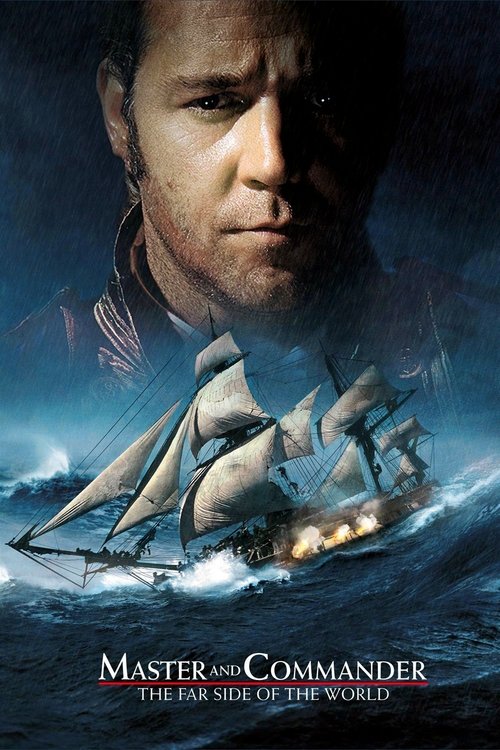
Master and Commander
A British captain and a ship's doctor chase a French privateer, and keep a crew alive doing it.
Find on IMDb
The closest thing on a screen to the standard itself. A ship is a house with a hull.
Aubrey wants the chase. Maturin wants the natural world, and the wounded men, and the argument. The ship holds both, which is why the film feels like a complete life and most action pictures feel like a trailer. Nobody is ironic about duty. Nobody is rewarded for a mood.
It is a British navy in the Napoleonic years, not a Massachusetts farm, and it still teaches the republican virtues better than most movies set in America: competence, a chain of responsibility, courage that obeys, truth between friends, and a community small enough that every death has a name. If you keep one film for a son, or for yourself on a bad year, make it this one. Then go do something hard, properly, with other people.
Live historically
Take on one hard task with a partner who is allowed to tell you that you are wrong.
From the desk of Living Historic.
The eight
Industry
9/10
Every man aboard has a task. Seamanship is the plot.
Household
8/10
The crew is the household. The captain is a father who can be wrong.
Piety
6/10
Duty stands in for creed, and it is not a small stand-in.
Courage
9/10
Courage here is procedure plus nerve, not a speech.
Republic
8/10
Order, law, and the reason a warship exists. Liberty inside a discipline.
Temperance
8/10
Appetite is under the articles. Even grief has to wait its turn.
Truth
8/10
Friendship between captain and doctor includes the right to argue.
Stewardship
9/10
The point of the voyage is that the crew comes home, and the sea is respected.
Scan to open this review.
https://livehistoric.grok.me/title/h.master-and-commander
Living Historic · 81 / 100