
















































































































































Tonight
Ten for the evening
One to ten. Newest, most watched, highest on the Living Meter. Prime, Disney+, Hulu, Hallmark, Acorn, and Netflix.
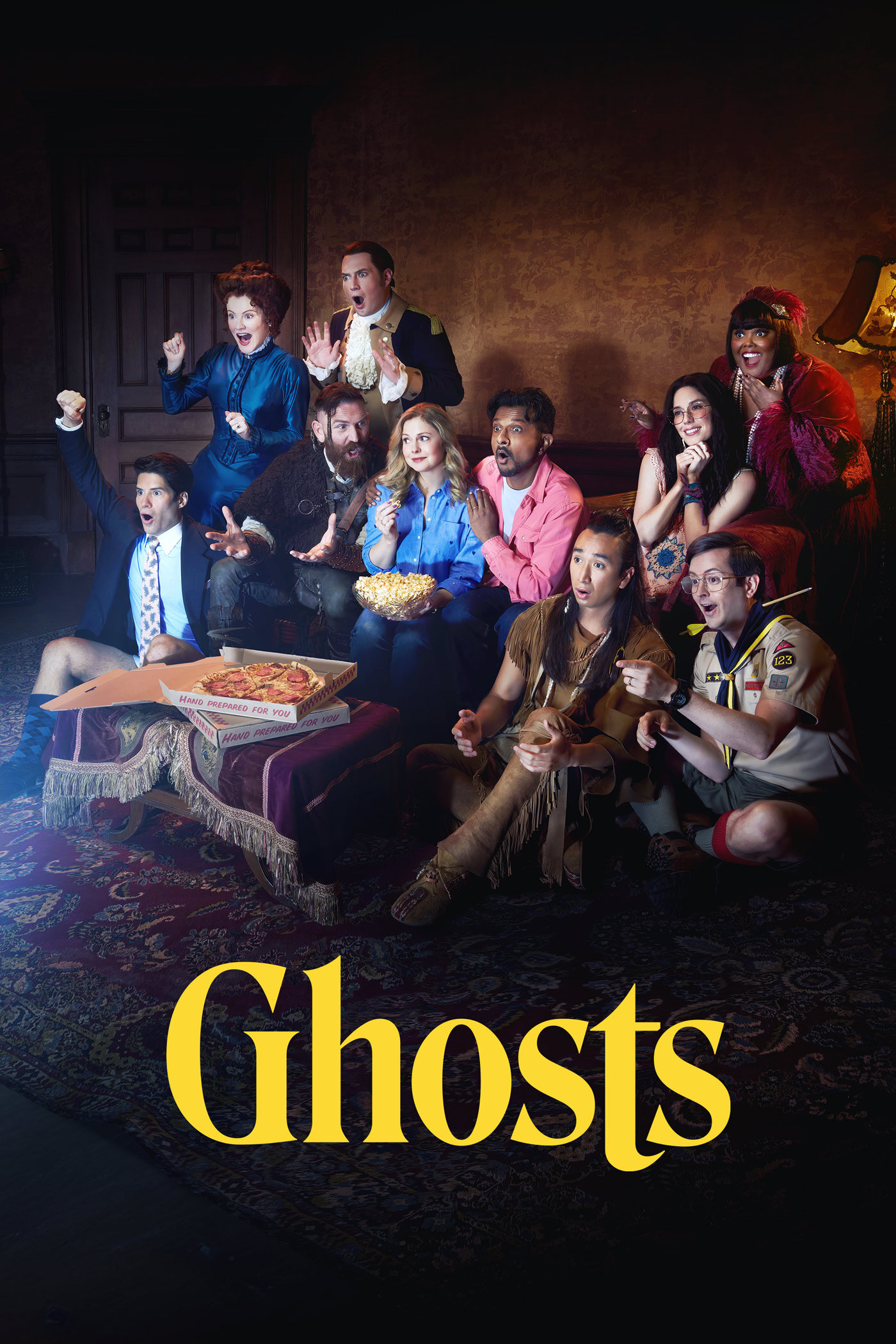
A satire of a heaven you subscribe to. The satire is right. The romance muddies it.
A heaven with in-app purchases is a good joke, and it is aimed at the right target: a culture that thinks money should decide even the end. The show then wants you to care about the romance inside the product. Care about the joke. Be wary of a story that kills the body and then asks you to find that romantic.
Industry
5/10
Tech support, a corporation, a product. Work is the living woman's life.
Household
3/10
Bodies are optional. That is the horror, played cute.
Piety
2/10
The afterlife is a tiered plan. The theology is the price list.
Courage
4/10
Nora asks questions that can get her fired.
Republic
5/10
A company as the state of the dead. The civic joke lands.
Temperance
4/10
The candy of the virtual world is the point and the critique.
Truth
6/10
It tells the truth about who gets the good death: the people who can pay.
Stewardship
3/10
Nothing is handed to children. There are no children in the plan.
Live historicallyDecide, without the show, what you think a person is. The upload only works if the answer is 'data.'
The dead are not a costume for a hitman's second act. The title is the confession.
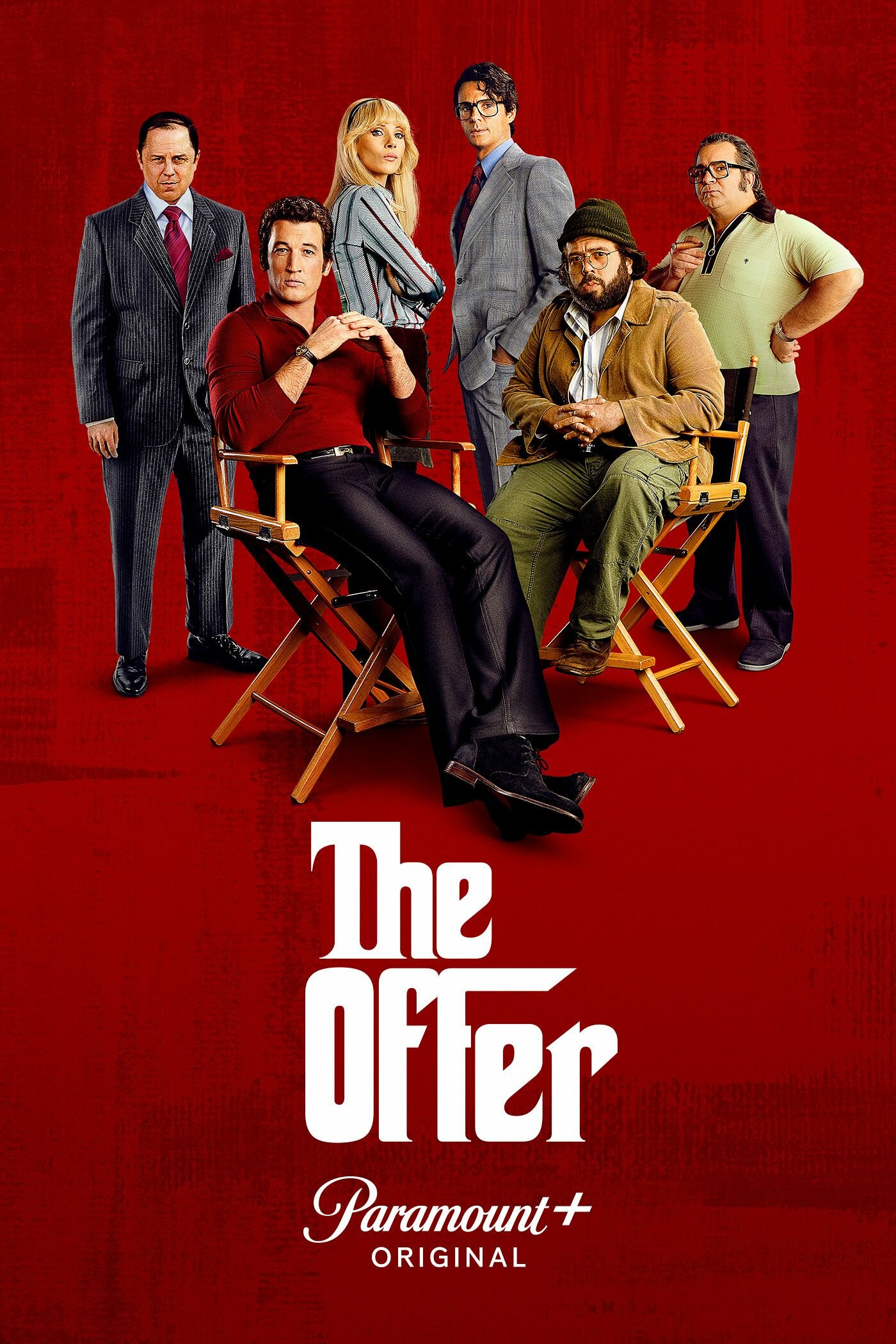
Gregory Scarpa, in the account this film is sold on, is a violent man pointed at a righteous question: who killed the workers in Mississippi. A true question does not baptize the instrument. The bureau that will use a murderer, and the murderer who will be used, are both refusing the slow work of law. Yahya Abdul-Mateen's agent is the conscience in the room only if he will not let the means become the story.
The desk has the premise from the public account, not a license to invent the last reel. It is enough. If the film asks you to root for the hitman because the victims were holy, decline the rooting. Grieve the dead. Do not rent their killer as your hero.
Industry
4/10
Investigation is work. Assassination is the shortcut.
Household
2/10
Households are what the murders destroyed.
Piety
3/10
The cause is just. The piety is borrowed.
Courage
4/10
Nerve in the service of a dirty bargain.
Republic
3/10
A republic that outsources its justice to a criminal.
Temperance
2/10
The title blesses the excess.
Truth
6/10
The historical stain is real and should be told straight.
Stewardship
3/10
What it risks handing on is the phrase itself.
Live historicallyDo not praise a result that required you to hire the evil.
A true thing about a family that would rather be pleasant than honest. The glaze is still privilege.
The book, and the series after it, is about a family that keeps its comfort by refusing a sentence. The reveal matters only if you felt the cost of the refusal. If you only felt the island, you watched the brochure.
For older teenagers, with the question asked: what did they protect, and who paid.
Industry
2/10
Nobody works. The island is maintained by people the plot treats as weather.
Household
4/10
Cousins and a grandfather. Love is real and so is the control.
Piety
2/10
No creed but the family name.
Courage
3/10
The young people feel brave. The bravery is mostly against their own soft lives.
Republic
3/10
An inheritance fight is the politics.
Temperance
4/10
Beauty is the drug. The show knows it and still pours it.
Truth
6/10
The lie is the subject. That is the part that earns the hour.
Stewardship
3/10
What they steward is a house they do not deserve, and the ending says so.
Live historicallyName one pleasant story your own family tells that is missing a person or a fact.
A brand with a moral you could fit on a sticker. Skip it if the live films are already in the house.
Seabrook's zombies, werewolves, and humans return as a shorter, brighter loop of the same allegory: the out-group is us, the dance is the reconciliation, the parents are the obstacle until they aren't. Nothing new is risked. The songs are advertisements for the feeling of inclusion.
A child who likes the movies will like this and learn nothing they did not already hear. One episode will not harm a young child. A season will teach them that a social problem ends when the chorus does.
Industry
3/10
School as a set.
Household
4/10
Parents exist to be convinced by a number.
Piety
2/10
None.
Courage
3/10
The brave act is a solo.
Republic
4/10
A town of groups, simplified into teams.
Temperance
4/10
Cheer as the solution.
Truth
4/10
The metaphor is obvious and thin.
Stewardship
3/10
A franchise handing on a franchise.
Live historicallyIf the house already watched the films, do not add the cartoon. Go outside.
The monster is a man with a motive. That is the right lesson, repeated gently.
The formula is the virtue. A frightening thing has a human explanation and a human beneficiary, and friends do not leave the coward behind. A child can learn both and suffer nothing. Later movies wink the formula to death. Stay with the original shape.
Industry
4/10
They investigate. The method is simple and sound.
Household
5/10
A little company that does not ditch the frightened one.
Piety
3/10
Superstition is the thing to be unmasked.
Courage
5/10
They walk into the house.
Republic
4/10
The crime is usually greed: a land deal, a theft, a fraud.
Temperance
7/10
Mild, repeatable, done in half an hour.
Truth
8/10
The ghost is a lie. Someone is under it, and they want something.
Stewardship
5/10
A pattern a child can learn and then outgrow.
Live historicallyWhen something online is dressed as a monster, ask who benefits. Then leave it.
A marriage that survives the scheme. The scheme is that a woman's hunger is a joke.
Lucy wants to be seen, Ricky wants the act contained, and the laugh is that neither gets the week they planned. Under the laugh is a marriage that resets instead of leaving. That reset is the part worth keeping. The part to argue with is the idea that a wife's ambition can only arrive as a disaster.
Watch it as play. If a child asks why Lucy isn't allowed on the show, answer the question. Don't let the laugh answer it.
Industry
4/10
Ricky works the club. Lucy works at getting into the club.
Household
7/10
The marriage is the fact that does not break. The neighbors are in and out of the kitchen.
Piety
3/10
No piety. The apartment is the world.
Courage
5/10
She risks looking like a fool every week. He risks the public eye he already has.
Republic
4/10
A building, a friendship, a job. Small civic life.
Temperance
6/10
The excess is a costume and a plan, not a cruelty.
Truth
6/10
The plots are absurd and labeled absurd by the ending.
Stewardship
6/10
It lasted. People still know the beat.
Live historicallyOne episode. Then let someone in the house do the thing they are actually good at, on purpose.
Light, and the light is practice. Harmless. Not a substitute for doing the thing yourself.
K-On! is about girls who joined a club for a reason that was almost accidental and then became responsible for a song. The tea is most of the screen. The song is the part that keeps it from being only a mood.
Fine for a child who likes music, in short measure. Then hand them the instrument. The show already told you the instrument is the point.
Industry
6/10
They learn instruments badly, then less badly. The club is a craft in miniature.
Household
5/10
A club that functions as a little house: tea, after school, someone always late.
Piety
2/10
None. School festivals are the feast.
Courage
4/10
Playing in front of people is the scary part, and they do it.
Republic
3/10
A school. The stakes are a club that might close.
Temperance
8/10
Kind, slow, no cruelty. The laziness is gentle and still has a recital.
Truth
6/10
It admits they are not a famous band. The festival is enough.
Stewardship
5/10
A habit of showing up for the people in the room.
Live historicallyPractice one piece of music, or one page of anything, longer than is comfortable. Stop when it is better.
Banter over a body. Light, and that is the problem as much as the pleasure.
Richard Castle is rich, blocked, and amused by a job that costs other people sleep. Kate Beckett is the correction: a woman who does the work. The series is pleasant because of her and because of his daughter, and it is morally light because a corpse is the occasion for a nickname. You can relax in it and notice, if you are honest, that you are relaxing in a morgue.
Adults, as comfort, rarely. Not a show to hand someone as a picture of the work. If you watch, notice which of them you would actually want answering the door.
Industry
6/10
She is a real detective. He is playing at it, and the show finds him delightful.
Household
5/10
A daughter who is the best of him. A romance that takes years and is the point for the audience.
Piety
2/10
Death is the cold open, not a weight.
Courage
6/10
Kate stands in front of the dangerous man. He eventually does too.
Republic
6/10
A precinct is a small town with a captain.
Temperance
4/10
Murder as a weekly entertainment, softened by jokes.
Truth
6/10
The cases want a solution. The personal lies are more indulgent.
Stewardship
4/10
A daughter watching her father choose a serious woman is the part that could last.
Live historicallyThank someone whose job is other people's worst day, and do not ask them to entertain you about it.
Work and, eventually, a marriage. The bodies are the price of entry.
Temperance Brennan is great at a hard job and bad at people, and the series lets the job stay great while she learns the people. That is a better arc than House, because it does not bless the coldness. The cost is the weekly corpse. If you can keep the corpse from becoming your comfort watch, the partnership is a fair story.
Industry
7/10
The lab is a real craft, respected.
Household
6/10
They end as a family. The show is patient about it.
Piety
2/10
She begins without a creed. The partner and the child complicate that.
Courage
5/10
They stay with the dead until the dead have a name.
Republic
4/10
The Bureau and the lab. Institutions that function.
Temperance
4/10
A murder a week is still a diet.
Truth
6/10
The unnamed body is given back a story. That is the decent core.
Stewardship
5/10
A child arrives, and the work has to make room.
Live historicallyDo your work carefully enough that a stranger would be glad you were the one who touched it.
Kind and small. Friendship is the whole plot, and no one is the joke.
Strawberry Shortcake will not harm a small child and will not fortify one. The friends repair their quarrels, which is good, and the world is a dessert, which is the limit. Fine for the very young in a short dose. If it is the only town she knows, she will be surprised by a real one.
Industry
4/10
A garden, a kitchen, a job that is mostly being sweet.
Household
5/10
Friends who function as a household. No parents, and no cruelty in the gap.
Piety
4/10
Gentleness is the rule.
Courage
3/10
The brave act is an apology.
Republic
5/10
A little town of neighbors.
Temperance
8/10
Soft, and not selling a second hunger.
Truth
5/10
The problem is a hurt feeling, and it is treated as real.
Stewardship
5/10
A child may copy the apology. The world she copies is made of sugar.
Live historicallyOne episode, then a real piece of fruit, shared.