
































































































Tonight
Ten for the evening
One to ten. Newest, most watched, highest on the Living Meter. Prime, Disney+, Hulu, Hallmark, Acorn, and Netflix.
A young woman working, dated and decent. The ambition is ordinary, which is the compliment.
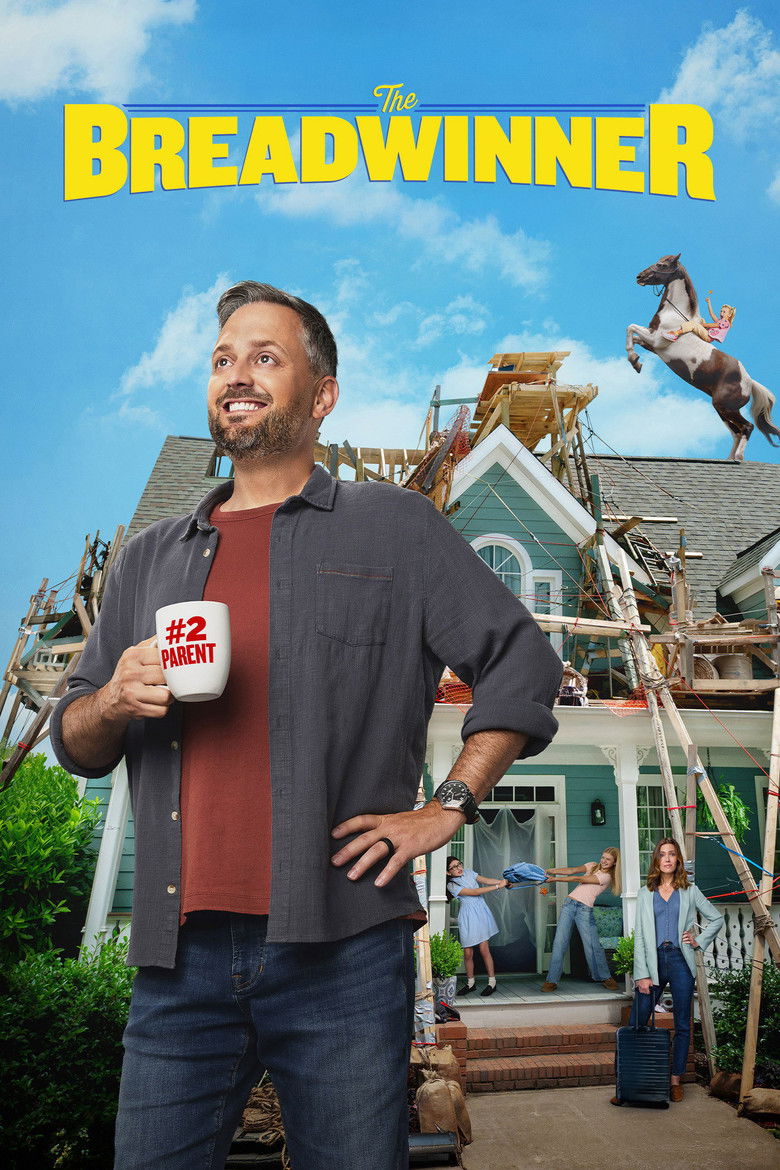
Ann is not a revolutionary. She is a young woman with a suitcase and a father who has opinions about the suitcase. The series is studio-bright and often slight, and it is on her side without making the boyfriend the villain or the prey.
Good for a teenager who thinks a start only counts if it is already famous. One or two episodes. The jokes are of their year.
Industry
7/10
Auditions, temp jobs, a craft she has not mastered. The episode is usually the work.
Household
6/10
A father who worries, a boyfriend who waits, an apartment that is hers.
Piety
3/10
Manners, not piety. The world is kind.
Courage
6/10
She walks into rooms that can say no.
Republic
4/10
A city of small offices. No civic argument.
Temperance
8/10
Romance without a leer. The want is a career and a clean engagement.
Truth
6/10
It is honest that she is not famous. Trying is the story.
Stewardship
5/10
A picture, for 1966, of a daughter allowed to leave home and still call it.
Live historicallyLet someone in your house try a thing they are not good at yet. Do not narrate the failure.
A mother with a mind, in a form that later decades mocked without replacing.
Donna Stone is competent, and the show does not think competence is a consolation for a more exciting life. That is the argument worth recovering. The world of the show is narrow, white, and comfortable, and you should know that. Narrow is not the same as contemptible. A house can learn from the sight of a mother whose work is the house and who is not sorry.
Industry
6/10
She runs the house as a skilled post. Alex practices medicine.
Household
8/10
The family is the entire subject.
Piety
4/10
Decency, assumed.
Courage
3/10
The stakes are domestic, correctly for the form.
Republic
4/10
A neighborhood of calls, school, and reputation.
Temperance
7/10
Orderly.
Truth
6/10
It believes a mother's judgment is interesting. It was right.
Stewardship
7/10
The children are being raised on screen, not parked.
Live historicallyLet the person who runs your house be interesting at dinner. Ask about the day and wait for the answer.
Neverland is a visit. The nursery is the choice. Wendy is right.
Peter is brave and he is a permanent child, which the film finds charming and Wendy, by the end, finds insufficient. She wants a story and a mother and then she wants to be the mother. That turn is the moral, and it is older than the Disney paint. Hook is a villain. The boys are lost. Wendy goes home and her father, who had been ridiculous about the nursery, is at the window.
Watch it. Then do not let anyone in the house use 'never grow up' as wisdom. The wisdom is that she left.
Industry
3/10
Play as a life. Wendy notices it does not feed a nursery.
Household
8/10
The ending is a return to parents, and her own future as a mother.
Piety
3/10
Wonder, and a boy who treats wonder as a refusal of duty.
Courage
6/10
She is brave in the lagoon. The braver act is leaving.
Republic
4/10
A ship of children with no law.
Temperance
6/10
Peter's refusal to grow is the excess, and the film lets her outgrow it.
Truth
7/10
Neverland is not home. The film admits it.
Stewardship
8/10
She chooses the children she will one day have over the boy who will not.
Live historicallyDo not flatter a child for refusing the next age. Walk them toward it.
Skill and a code. She is loyal to a crew and vague about any law above the code.
Carmen is a thief with better taste than her enemies, and the series wants the taste to be enough. Often the object really should go home. A child can enjoy the competence and should be told that a private code is not the same as a law, and a crew on a radio is not the same as a people. Older children, with you.
Industry
6/10
The heist is a craft, and she is better at it than the people she robs.
Household
3/10
A found crew. No family she will stay for.
Piety
3/10
A private code stands where a conscience would answer to someone.
Courage
7/10
She goes in. The risk is physical and she takes it for the stolen thing, not for applause.
Republic
5/10
Returning a treasure to a people is a public good. Doing it outside every law is the hitch.
Temperance
5/10
Glamour, held back by the fact that she is not stealing for herself.
Truth
6/10
The show is clear about who the real thieves are. It is softer about her.
Stewardship
5/10
What she hands back is an object. She does not hand a child a way to live in a town.
Live historicallyAsk where the object belonged, and who had the right to move it.
Gentle, short, and kind. It does not sneer, and it does not last long enough to do harm.
Lucas is a small hello repeated until it becomes a habit. There is no sarcasm and no product to want. The limit is the limit of any sweet short: it will not make a child useful, and it should not be the whole afternoon. Put it on for a few minutes. Then go outside and find something that is actually alive.
Industry
3/10
No work. A little creature greeting the day.
Household
5/10
Friendship is the whole plot, and it is not a joke.
Piety
4/10
Wonder at ordinary things. No creed, no sneer.
Courage
4/10
He tries the next small thing even when he is unsure.
Republic
5/10
A neighbor is someone you say hello to.
Temperance
8/10
Quiet, brief, and not hungry.
Truth
6/10
It does not pretend the sill is the world.
Stewardship
5/10
A child may copy the hello. That is enough.
Live historicallyAfter it ends, go look at one real insect and leave it where it is.
Judge it by whether it points past itself. A title is not yet a testimony.
Emmanuel is not a brand. If this picture is a straight telling of the claim that God drew near, it belongs with the feast and not with the franchise. If it is a mood with a scripture on the cover, the cover is doing work the hour did not earn. The desk will not invent testimony that is not in the frames.
A house does not need a documentary to keep Christmas. It needs the story, said in the room, by someone who will still be there in January. Use the film only as a door into that telling.
Industry
4/10
Unknown craft.
Household
5/10
The claim is about a household that received a child.
Piety
7/10
The title aims at worship. The film must not replace it.
Courage
4/10
Unproven on the tile.
Republic
4/10
A people, if it remembers it is one.
Temperance
5/10
Likely quiet.
Truth
5/10
The claim is either true or it is not. A poster cannot settle it.
Stewardship
6/10
The right use is to send you back to the text.
Live historicallyRead the nativity aloud this week, whether or not you press play.
A serious alternate history. The reel is hope, and hope is not the same as a reason.
The useful fear is not the costumes. It is how quickly a household learns the new manners of a power that won. The films are a rumor that the world did not have to be this. Watch it for that rumor and for the cost of passing it on. Do not watch it for the production design of defeat.
Industry
5/10
Occupation has jobs, papers, factories.
Household
4/10
Families under a state that enters the kitchen.
Piety
3/10
Resistance without much of a faith, except the need for one.
Courage
6/10
Ordinary people carry the reel, knowing the penalty.
Republic
6/10
The subject is a regime. It does not treat the regime as a style.
Temperance
5/10
Grave.
Truth
6/10
It asks what a lie of history does to the people living under it.
Stewardship
5/10
The other world is a thing worth smuggling to your children.
Live historicallyTell your children one true thing about the war that this premise rearranges, so the rearrangement is not their first version.
A restless child, a patient family. Mild. The lesson arrives.
Judy wants points for adventure and is furious when the summer will not perform. Her brother, her aunt, and the boy next door are already having a life. The film is on their side by the end, which saves it. The middle is a lot of a child's volume.
It is not cruel. It does not think parents are idiots. It thinks a child can be wrong about what counts as a thrill. That is a permitted opinion. Watch it on a hot afternoon. Then go outside.
Industry
4/10
A project, a chart, a lot of not finishing.
Household
7/10
Brother, aunt, parents. The house holds.
Piety
2/10
None.
Courage
4/10
Social courage, mostly. She apologizes.
Republic
5/10
A neighborhood summer.
Temperance
6/10
Envy of other people's thrills is the vice, and it is corrected.
Truth
6/10
She has to admit the chart was the problem.
Stewardship
6/10
The people in the house were the summer.
Live historicallyPlan one summer hour that is not a purchase.
A town show. Light, romantic, and convinced that staying is the plot.
Zoe Hart arrives certain that a small town is a detour. The seasons are about the detour becoming the life. That is a good shape. The show fills the shape with which man, which party, which dress, and the town's real troubles stay soft.
Pleasant for an evening that does not need to cut. Do not mistake it for a picture of the place.
Industry
6/10
A clinic. House calls. The work is the way she joins the place.
Household
5/10
Boarding houses, parents, a child who arrives later. The town is full of tables.
Piety
3/10
The South's churches are scenery more than a claim.
Courage
5/10
She stays after the first humiliation, which is the only bravery required.
Republic
6/10
A mayor, a clinic, a festival, a gossip that functions as a commons.
Temperance
5/10
The romance multiplies. The show likes a triangle more than a vow.
Truth
5/10
Small-town faults are played as charm. Some of them are just faults.
Stewardship
5/10
The question of the show is whether she will belong to the place.
Live historicallyIf you like the town, do the local version: learn the name of one neighbor you only recognize.
A joke shop with a real crew. Bender is intemperance. The friendship is not a joke.
Fry falls a thousand years forward and lands a delivery job with people who will, against the entire premise of the century, care if he lives. The show is a comedy and a lot of the comedy is Bender doing whichever vice is handiest. Do not take your temperance from the robot.
Take the crew. A ridiculous job, kept. A friend, retrieved from the edge of the universe because you said you would. There are worse teachers on this list with better production design. It will not make you solemn. On its best nights it will make you less willing to abandon people. That is enough to keep it in the house, with the understanding that the beer-bot is not your pastor.
Industry
6/10
They have a dumb job and they keep showing up to it.
Household
6/10
Not a family by blood. A crew that behaves like one when it counts.
Piety
3/10
The sacred is usually a setup. Now and then the show means it anyway.
Courage
5/10
They do the stupid brave thing for each other.
Republic
5/10
Institutions are mocked, often fairly, sometimes cheaply.
Temperance
4/10
The robot is a sermon on appetite. The show likes him too much.
Truth
5/10
Feelings are told slant, but the best episodes do not lie.
Stewardship
5/10
Friendship is what survives the year 3000. That is a kind of posterity.
Live historicallyCall the friend you keep meaning to call. Talk longer than the joke.