
































































































Tonight
Ten for the evening
One to ten. Newest, most watched, highest on the Living Meter. Prime, Disney+, Hulu, Hallmark, Acorn, and Netflix.
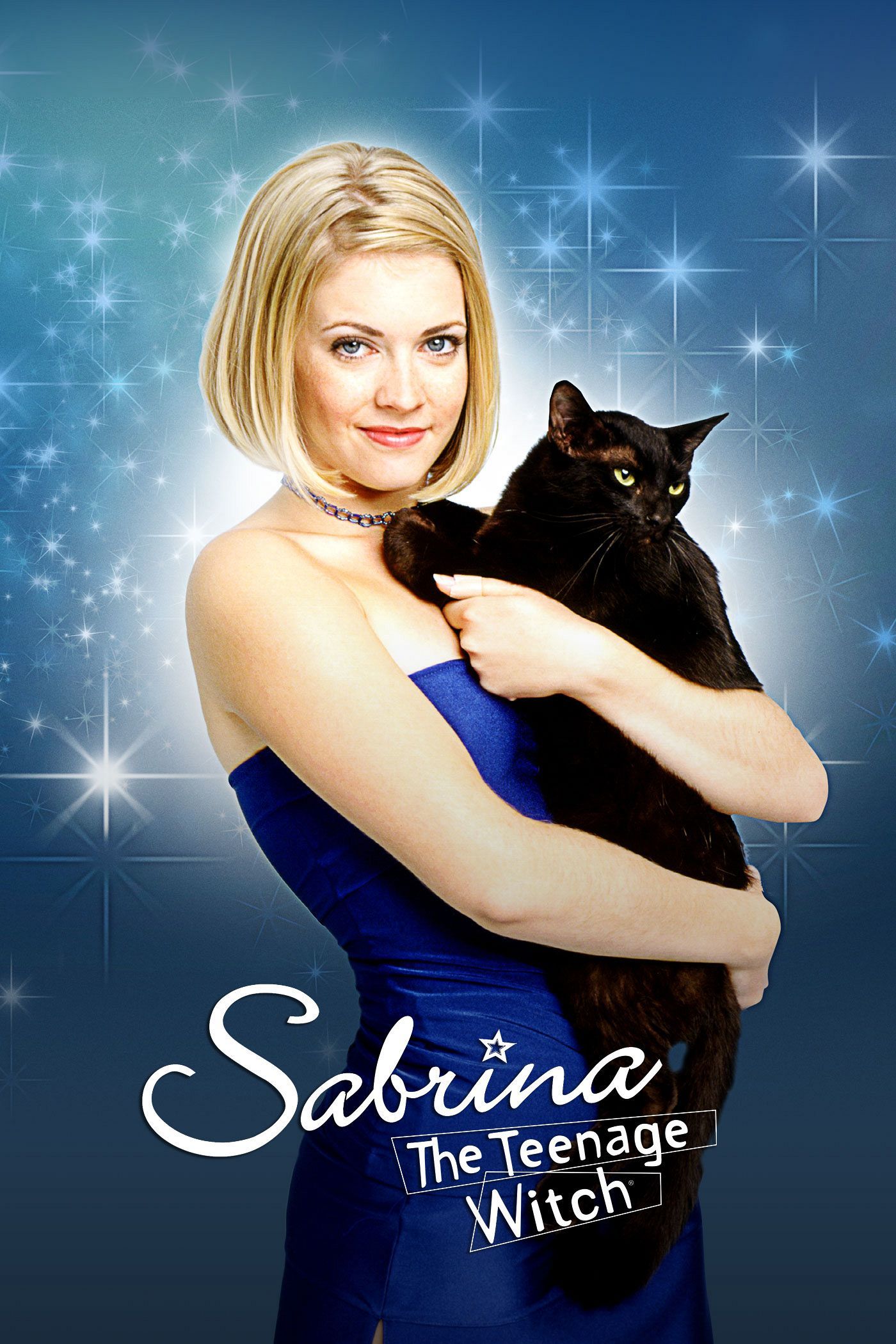
A middle-school story. The nerve is real. The rest of the life is not a five-year-old's yet.
Of the live-action row, this is the least careless. Bella wants a place she has to earn, and the show lets the earning matter. That is a story worth having in the house when Kiki is old enough to know what a tryout is.
She is five. The friendships, the status, and the jokes are written for a girl twice her age. Wanting to be brave is not a reason to hand her a middle school. Take it off this playlist.
Industry
6/10
Practice, a team, and a girl who learns the work.
Household
4/10
Friends and parents are in it. So are middle-school status games.
Piety
2/10
No creed. Popularity does a lot of the talking.
Courage
7/10
She walks into a locker room that does not want her. That is courage.
Republic
5/10
A team is a small republic, with rules. The show also likes the snub.
Temperance
5/10
Cleaner than the sitcoms beside it. Still pitched at twelve, not five.
Truth
5/10
The sport is a sport. The social plot is the usual television version.
Stewardship
4/10
A girl can keep the idea that she may try the hard team. Later.
Live historicallyRemove it from her row. Remember it for later, when she can hear the part about earning a place.
Work, and a clever room. Thinner than the film it came from. Optional.
Inside Out already said that a girl needs Sadness in the room. This spins off the industrial metaphor: a studio, a director, a product that is someone else's night. The jokes are about show business. The girl is the audience of her own unconscious, which is a strange reversal.
You can watch it after the films if the house liked them. Do not let the studio become the character. The person asleep is the character. If the series forgets her, it is only a workplace comedy with better patents.
Industry
7/10
A crew with call times, notes, and a product due by morning.
Household
4/10
The family is offstage. The dream is about them, sometimes.
Piety
2/10
None.
Courage
4/10
Professional risks. Little that costs a life.
Republic
3/10
An office.
Temperance
5/10
Ego of directors, played as the obstacle.
Truth
6/10
The dream has to tell her something true enough to sleep on.
Stewardship
4/10
What is handed on is a mood, not a memory she chose.
Live historicallyAsk a child what they dreamed and do not turn the answer into a lesson unless they do.
A marriage that stays a marriage. The schemes are the joke. The vow is not.
Lucy wants in. Ricky wants the act, the order, and the man of the house as the period understood him. The show is funnier than that argument, and the argument is still in it. What holds is that they do not leave. Ethel and Fred are a second marriage, louder and just as stuck, in the good sense.
A family can watch it. Some of the marriage jokes are from 1951 and should be answered out loud, not swallowed. The part to keep is the part current comedies lost: the couple is still the couple at the end of the half hour.
Industry
5/10
Ricky works. Lucy's work is the scheme, which is play, and sometimes a real try.
Household
8/10
The marriage is the premise and the destination. They quarrel and stay.
Piety
3/10
Little reverence. A baby, when he comes, is treated as a fact of the house.
Courage
4/10
She is brave about embarrassment. The stakes are social.
Republic
4/10
An apartment building is the town. The neighbors are in the plot.
Temperance
6/10
The excess is a costume and a plan. It ends before the next morning.
Truth
6/10
The schemes collapse. The truth comes out, usually in front of Ricky.
Stewardship
6/10
What lasts is the household, including the neighbors who might as well be kin.
Live historicallyAttempt one harmless project with the person you live with, and let it fail in front of them.
The standard romantic comedy, because the economics are real and the judgment matters.
This is the 1995 series, and it is the one to watch if the house is going to watch Austen. The flirtation is delightful because a bad marriage is on display in the same rooms: Mr. and Mrs. Bennet, and Lydia's disaster. Love is not an exemption from judgment. Put it on. Let a teenager see that wit is not enough and that a steady man is not a consolation prize.
Industry
5/10
Entail, income, a living. Austen does not let love float free of bread.
Household
8/10
The Bennet household is the engine. A foolish mother and a detached father have a cost.
Piety
4/10
Clergy, manners, a moral world. Church is a living as well as a virtue.
Courage
5/10
Elizabeth's bravery is a refusal. She will not take the wrong bargain.
Republic
5/10
A neighborhood of families, rank, and reputation.
Temperance
7/10
Feeling is disciplined by sense. Lydia is what happens when it isn't.
Truth
8/10
First impressions are tried and corrected. That is the plot.
Stewardship
7/10
The question is which marriage will still be standing, and what the daughters will have.
Live historicallyWatch it together. Ask, of each couple, who would still be kind on an ordinary Tuesday.
Making, kindness, and a dog who is the adult. A treasure.
Wallace is generous and unwise. Gromit is patient and competent. Together they are a moral about tools: a gadget that saves effort can cost the house, and someone has to notice. The films are short, funny, and made by hand. Put them on whenever the row is otherwise loud.
Industry
8/10
Invention is the joy and the joke. Cheese, rockets, trousers.
Household
6/10
A man and a dog who are a household. Gromit keeps it from burning down.
Piety
3/10
No creed but decency.
Courage
5/10
Gromit faces the trouble Wallace invented.
Republic
4/10
A village, a neighbor, a museum.
Temperance
8/10
Short films. Complete ideas.
Truth
8/10
The machines tell the truth about the maker.
Stewardship
7/10
Handmade, and handed down. You can see the fingerprints.
Live historicallyMake something slightly useless and give it to someone in the house. Gromit would supervise.
A street, not a brand. Manners, numbers, and people who stay.
Sesame Street, at its best, is a city block where a child is expected to learn something and to be polite to a monster. That is a high aim and it often met it. Some later seasons trade the block for a message of the month. Prefer the old shape: a letter, a neighbor, a problem that is solved by a person rather than a speech. It belongs on this row more than almost anything filmed after it.
Industry
6/10
People have jobs on the block: a store, a stoop, a lesson.
Household
6/10
It is not one family. It is the nearest thing television made to a neighborhood that includes children.
Piety
4/10
Kindness is practiced. Later seasons sometimes preach a slogan instead.
Courage
4/10
The brave thing is apologizing, or trying the letter again.
Republic
8/10
The unit is the block. You owe the neighbor a hello.
Temperance
7/10
Gentle, and built to end a segment.
Truth
7/10
It was made to teach, and for a long time it taught the thing it named.
Stewardship
7/10
A child can copy the block, which is a large thing to copy.
Live historicallyWatch one segment, then have the child greet a real neighbor.
A moral in a tight half hour. Some of the morals have aged. The form has not.
Serling thought television could carry a parable if you kept it short and did not lie about the ending. A man wants status, safety, or to be left alone, and the zone gives him the thing in a form he cannot live with.
Watch one episode, then say the moral in a sentence before you start another. If you cannot say it, you used it as atmosphere.
Industry
6/10
Serling writes as a craftsman. The episodes respect a finished thought.
Household
5/10
Husbands, wives, and neighbors are the usual cast. The home is where the turn lands.
Piety
4/10
Judgment arrives, even when God is not named.
Courage
6/10
Ordinary people are put to a test they did not schedule.
Republic
6/10
Conformity, panic, and the mob are recurring defendants.
Temperance
7/10
Twenty-five minutes and out. No binge engine.
Truth
8/10
The twist is a truth the character already knew and would not say.
Stewardship
7/10
It was made to be watched again by people not yet born.
Live historicallyWatch one episode with the house. Stop. Ask what the person wanted, and what it cost.
Curiosity without malice. A children's film that likes the man and the animal.
George gets into trouble because he is curious, not because he is mean. Ted is responsible for him and does not abandon him when the apartment and the museum get harder. The museum matters, a public room of wonders, and the film would rather save it than sell it. That is a quiet good.
Gentle. A small child can watch it and want to look at things, which is the right want.
Industry
6/10
A museum man with a job. Curiosity is George's work.
Household
6/10
Ted becomes the one who answers for the monkey.
Piety
3/10
Wonder in a museum.
Courage
5/10
He tells the truth and keeps the monkey.
Republic
6/10
A public museum against a sale.
Temperance
7/10
Trouble is not cruelty.
Truth
7/10
The museum's worth is not a lie.
Stewardship
7/10
He takes responsibility for a creature he brought into the city.
Live historicallyLet a child touch the exhibit. Stay close enough to catch the vase.
An odd child, and a true thing about the sea. The sermon is loud. The child is loved.
Mumble cannot sing the heartsong and so the elders treat him as a curse. His father is ashamed. His mother is not. The film's other half is the overfishing that is actually starving the colony, which is a fair thing to show and a blunt way to show it. Both halves belong: the colony was wrong about the dancer, and the sea was not bottomless.
A child who has been told they are the wrong kind can use the first half. Do not let the second half become despair. It is a call to look at what we take.
Industry
5/10
The colony has a way of courting and feeding. He cannot do it their way.
Household
6/10
A mother who claims him. A father who has to learn to.
Piety
4/10
The elders confuse custom with providence.
Courage
7/10
He crosses the ice alone.
Republic
6/10
A people blaming the odd one for an empty sea.
Temperance
5/10
Shame is the father's vice.
Truth
7/10
The fish are gone. Dancing was not the cause.
Stewardship
7/10
He comes back with the truth, and the colony is still his to feed.
Live historicallyDo not exile a child for the gift that is not the family style.
Fear of the stranger, answered by a small boy who goes and looks. Keep it for the little ones.
The wood has a name for what it has not met, and the name is enough to make the grown animals foolish. Roo does not have the name so deeply. He follows the tracks and finds Lumpy, who is lost, younger than the legend, and in need of the same thing Roo needs, which is to be walked home. The joke is that the monster was a neighbor. The sweetness is not a lie.
It is short and it is Disney-gentle, which means the fear never really bites. That is the right size for a small child. Say the sentence the film is saying: we were loud about someone we had not met. Then do not add a scarier moral. They do not need one yet.
Industry
3/10
A search, not a trade.
Household
7/10
A mother, a small son, and a wood that functions as a street.
Piety
3/10
Wonder, lightly. No creed.
Courage
7/10
The smallest one walks toward the noise.
Republic
6/10
A neighborhood panicked by a rumor, corrected by an introduction.
Temperance
7/10
The fear is the excess, and it is laughed down.
Truth
7/10
The legend was false. The child is real.
Stewardship
7/10
It hands on the habit of going to see.
Live historicallyIntroduce a child to one family your house has been nervous about, and stay for the visit.