


































































































Tonight
Ten for the evening
One to ten. Newest, most watched, highest on the Living Meter. Prime, Disney+, Hulu, Hallmark, Acorn, and Netflix.
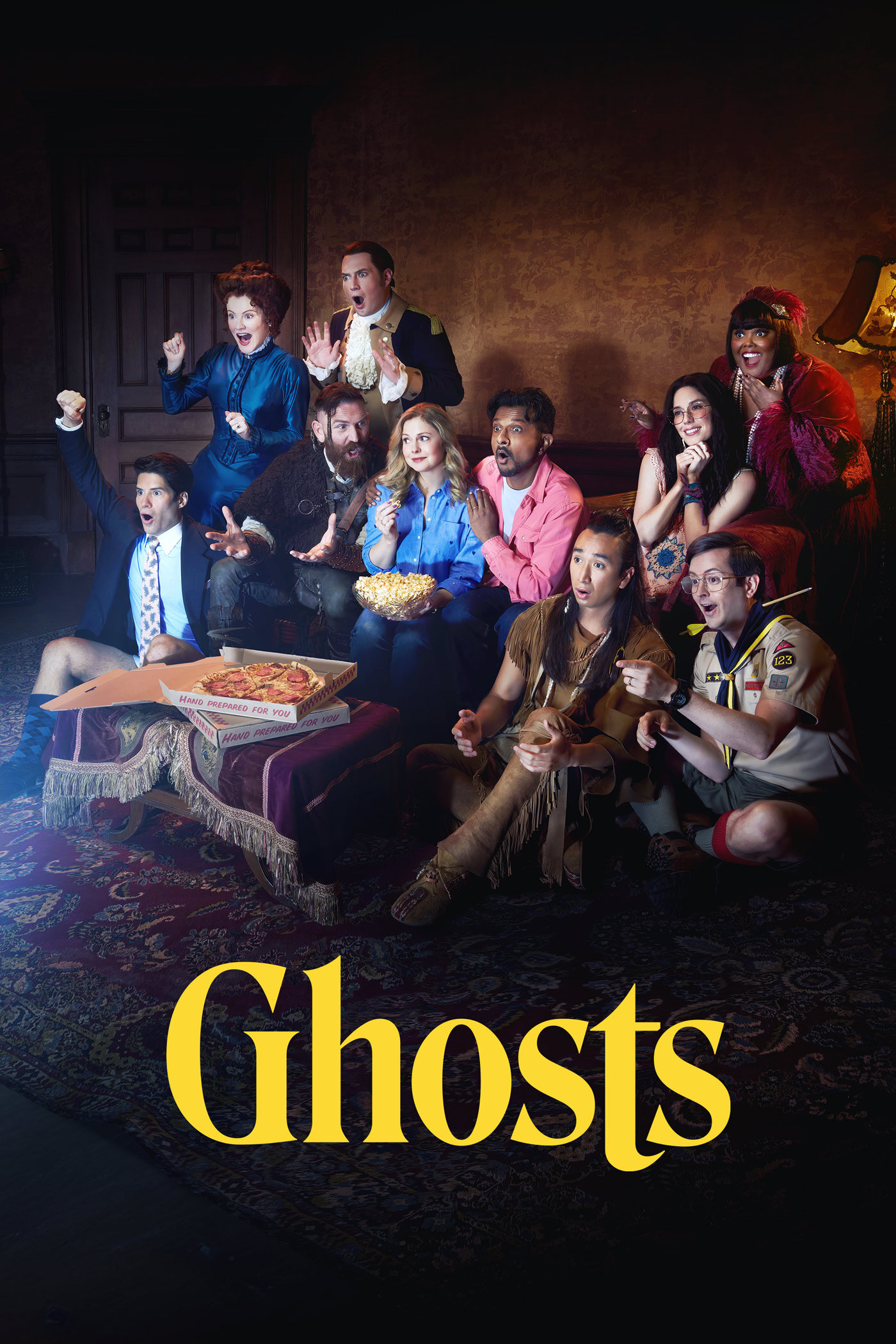
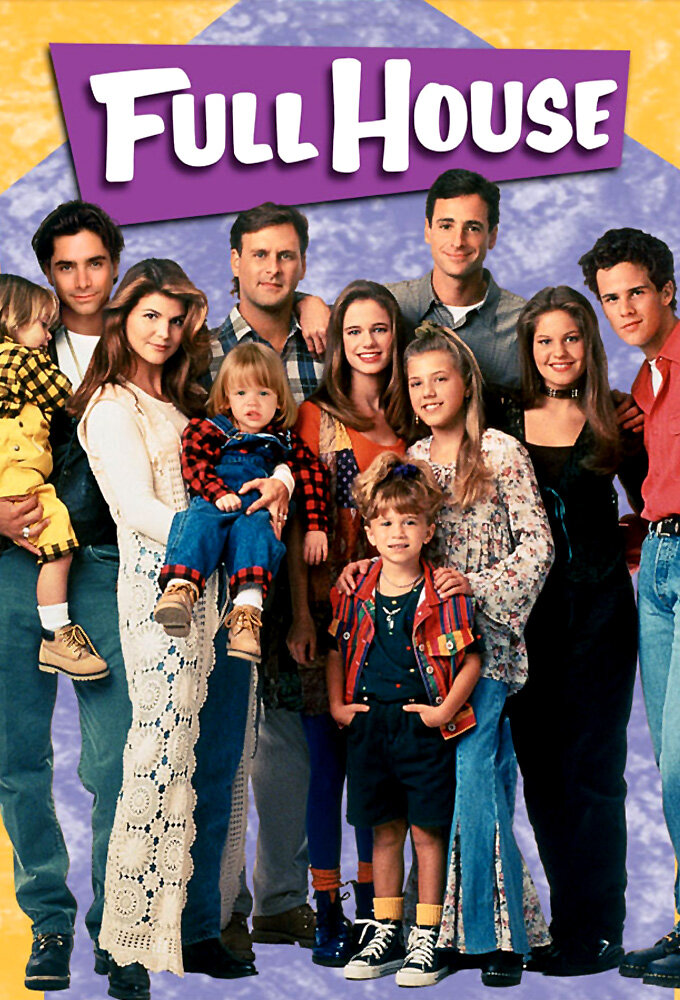
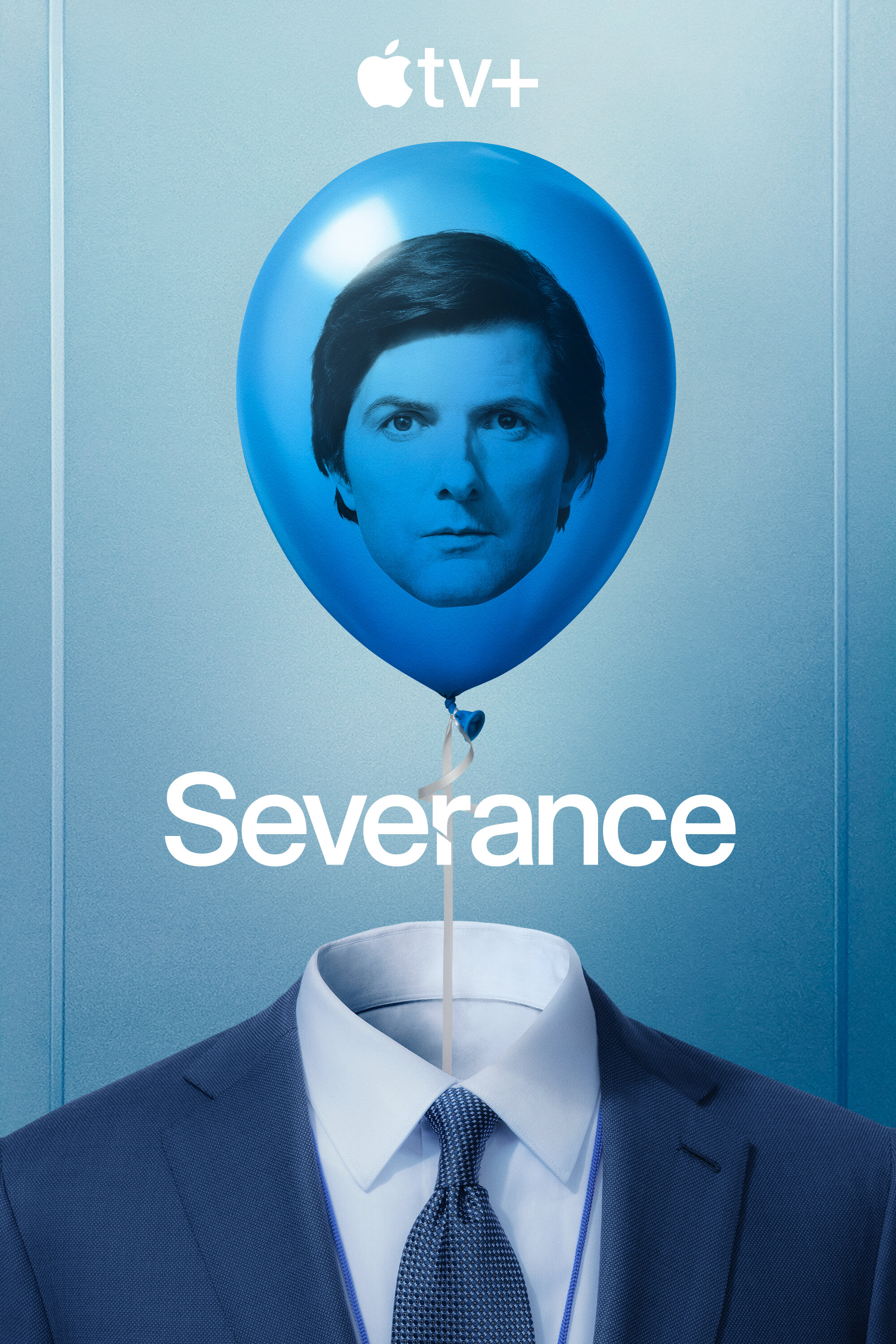
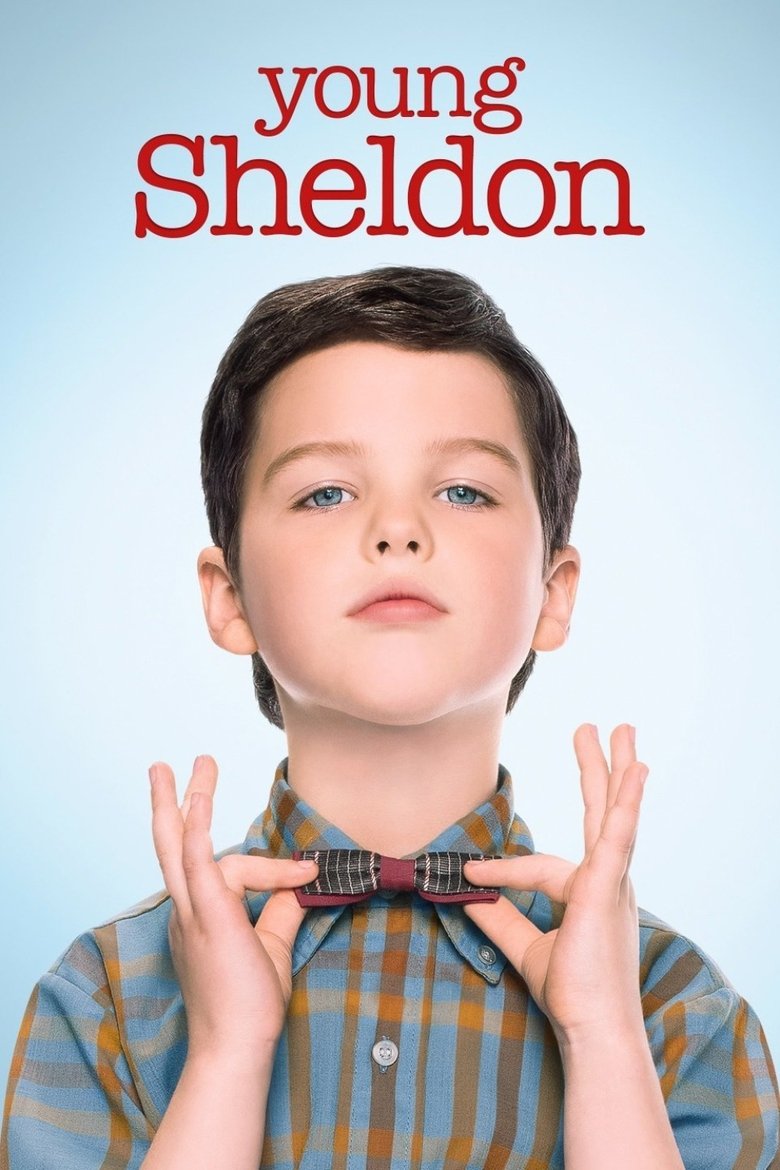
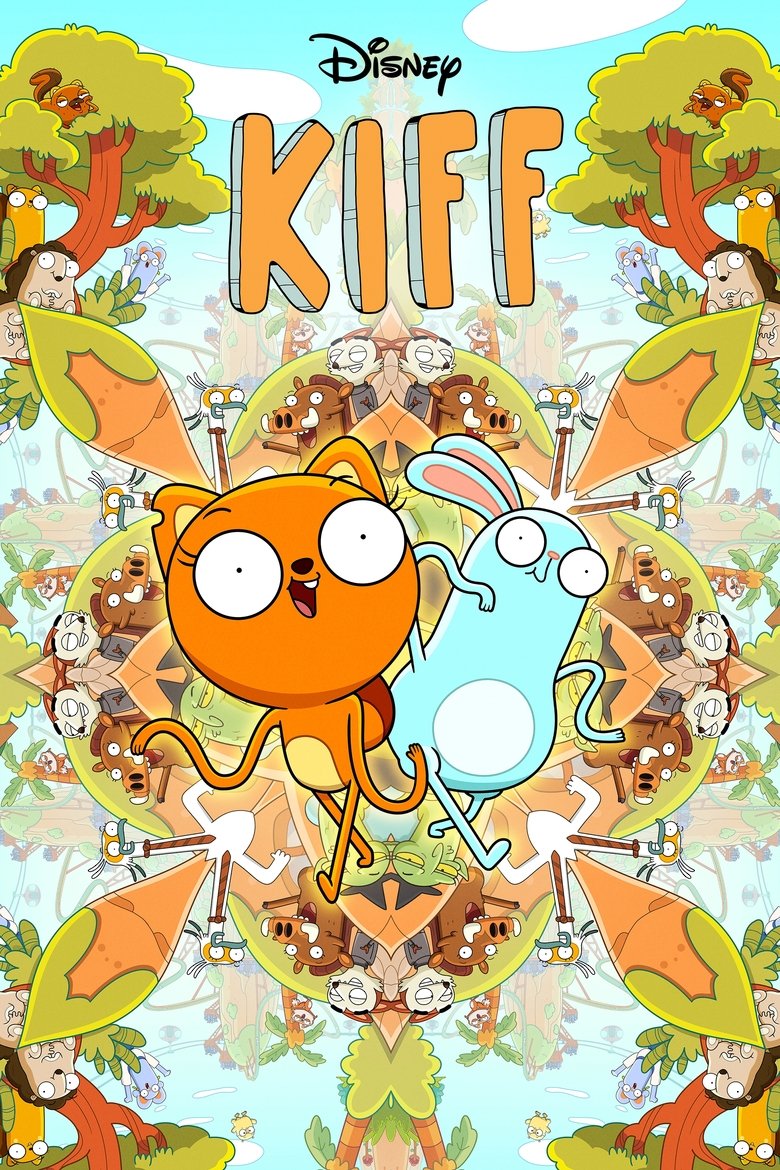
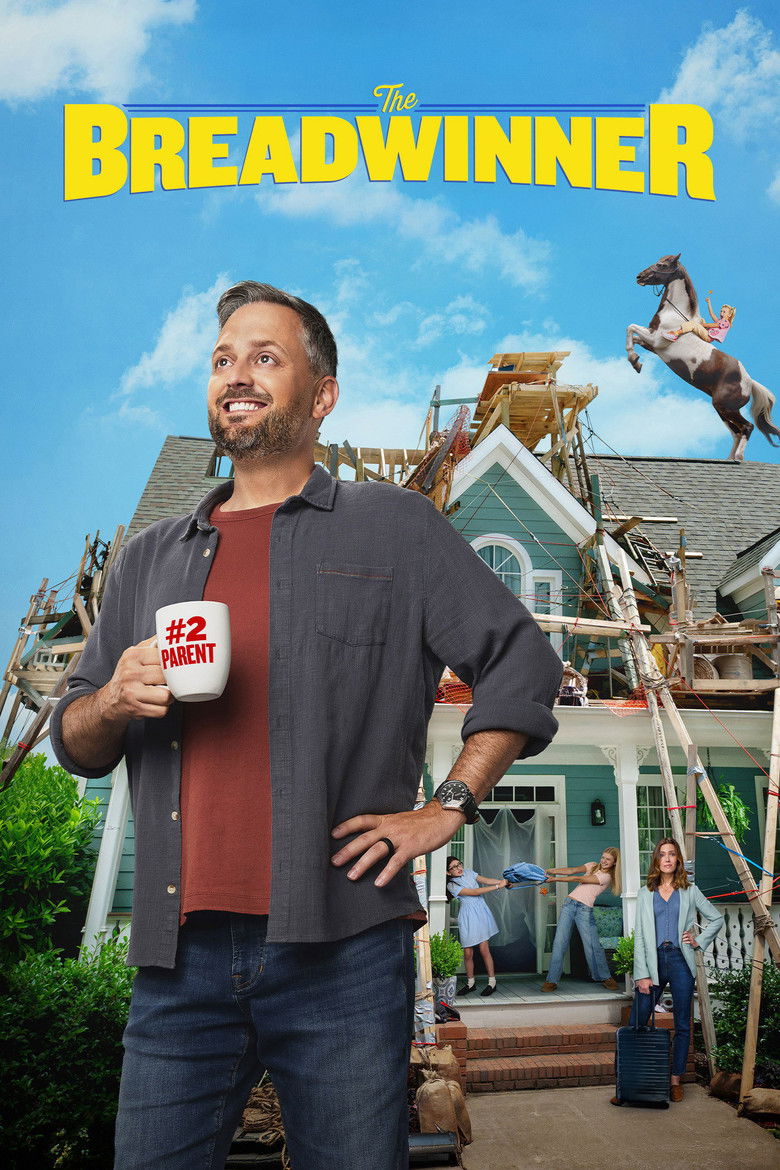
A comedy that believes moral improvement is real. It borrows the philosophy and misplaces the judge.
Almost no sitcom thinks you should become a better person and then shows the homework. This one does, with flashcards. The hole is the judge. A point system is not a god, and a self-improvement arc is not repentance. Still, it aims at the good, and television rarely does.
Watch it, then supply the judge it is missing. The show will not.
Industry
5/10
Study is the plot. They read. They practice.
Household
6/10
A made family of people who were failures on earth.
Piety
4/10
It wants the afterlife and will not say whose. The points system is the tell.
Courage
6/10
Becoming decent is treated as hard, which is the brave part.
Republic
5/10
Ethics as a civic problem: what we owe other people.
Temperance
6/10
The joke is at their vices, and the vices are supposed to shrink.
Truth
6/10
It is serious about the question and light about the homework.
Stewardship
5/10
The hope is that a person can be handed back better. The ending argues about who gets to decide.
Live historicallyPick one concrete habit the flashcards would actually name, and do it for a week.
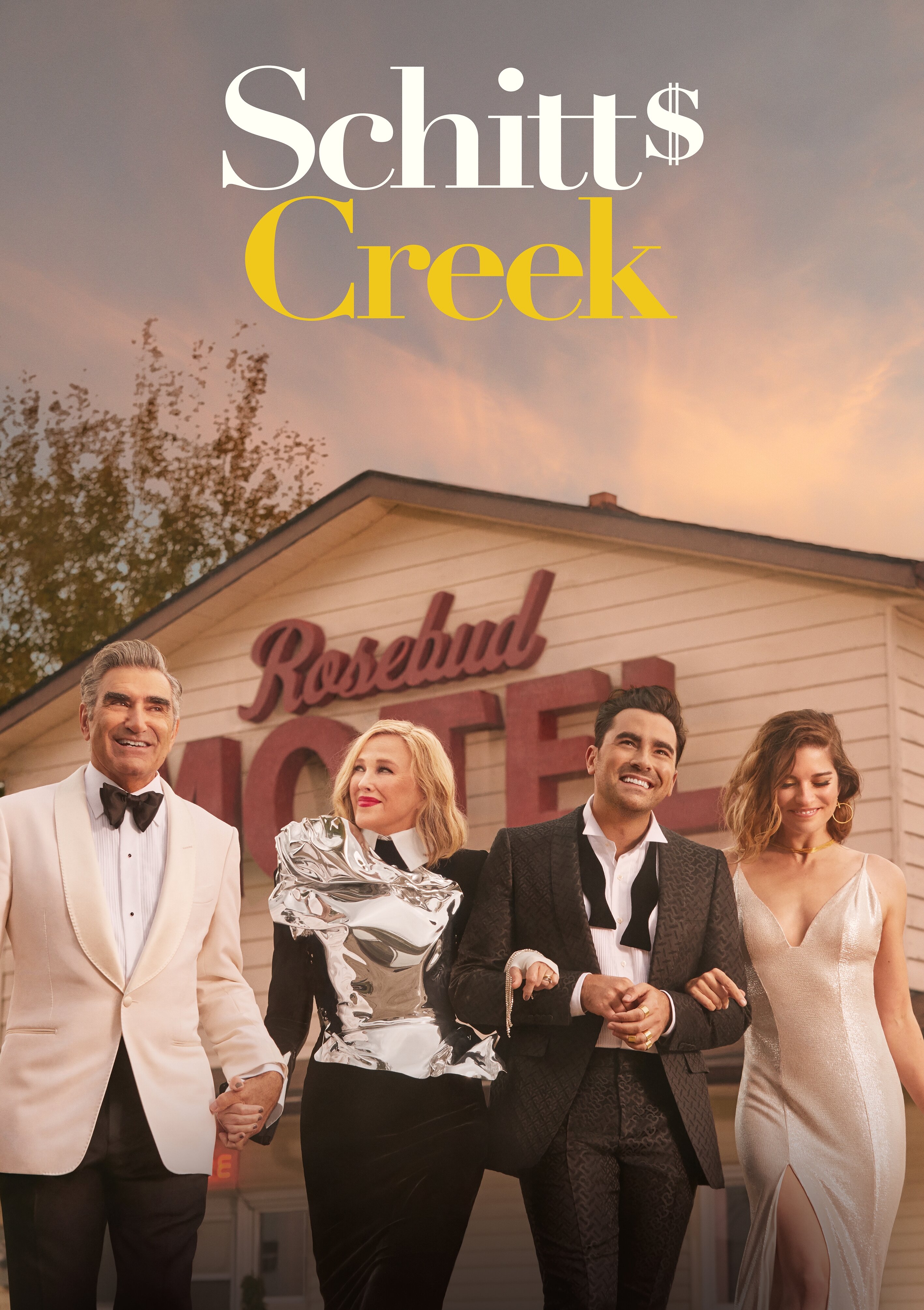
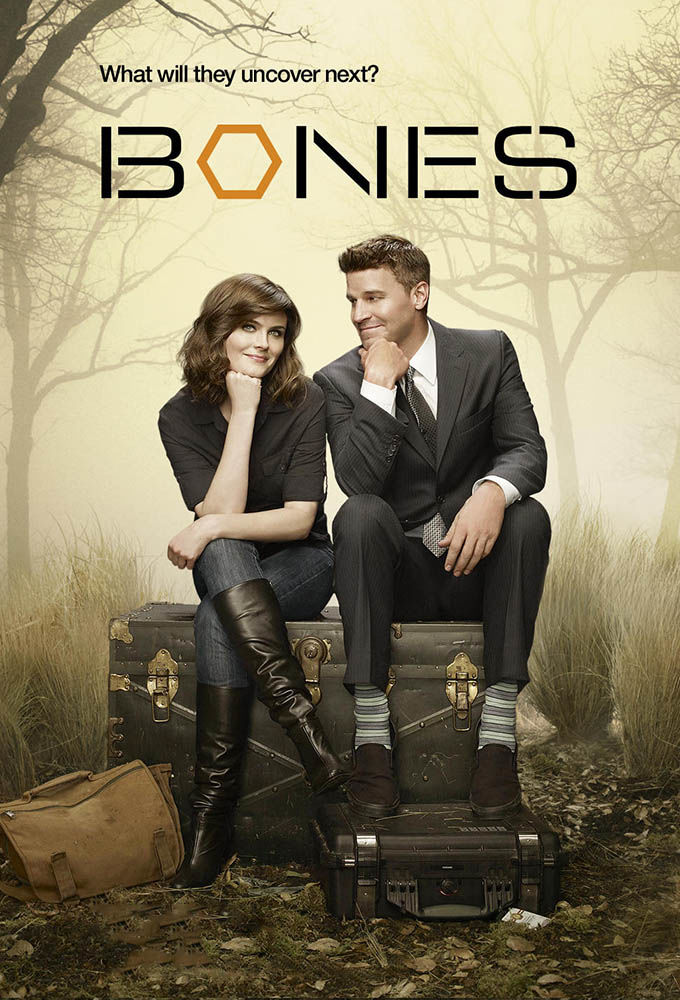
Filthy, and on the side of staying. The marriage is the work. The language is not for the house at large.
Sharon and Rob are funny because they are specific, not because marriage is a prison sketch. The series follows them into the years when a couple tells the truth badly and still does not pack. That is rarer on television than another detective.
Adults only. If the filthy talk is all anyone quotes the next day, you watched it wrong.
Industry
6/10
Two jobs, a flat, the logistics of a baby. Adulthood is not styled away.
Household
8/10
They did not plan the family. They refuse to abandon it. That is the whole show.
Piety
2/10
No altar. The vow, once made, is the thing they keep failing and keeping.
Courage
7/10
Staying, after the romance, is the brave act.
Republic
3/10
Friends, a city. The public world is scenery.
Temperance
3/10
The talk is obscene on purpose. The drinking is not a phase.
Truth
8/10
It will not pretend the marriage is easy or that leaving would be cleaner.
Stewardship
6/10
A child is the reason the joke has to end somewhere serious.
Live historicallySay one true, unkind thing you have been saving, kindly, and then stay in the room.
A scare for children that still believes they should be brave and close the book.
Stine's monsters are fiction that becomes fact because a boy will not leave a locked manuscript alone. The film enjoys the creatures and then asks the children to get them back in the books. Hannah is more than a twist. The neighborhood is worth saving. The scares are sized for a late-elementary audience, not for a dare.
A fair October film if you sit in the room. The lesson under the slime: curiosity is not a right to open every lock, and a story you cannot close should not have been opened.
Industry
5/10
A writer, a school, a night of actual work putting things back.
Household
6/10
A mother next door, a girl, a father-figure who is the author.
Piety
2/10
None.
Courage
7/10
The boy stays and finishes it.
Republic
5/10
A town being overrun, and they defend it.
Temperance
6/10
Meddling is how it starts.
Truth
6/10
The manuscripts were locked for a reason.
Stewardship
6/10
They spend the night protecting the neighbors.
Live historicallyFear is a story. Finish it, and put it back on the shelf.
A small, cheap, neighborly picture. The dog does the job.
This is not a work of art and it does not pretend to be one. A family, a dog, a holiday, a thief. The children are not the joke. The parents are not fools for having a dog or a street. The threat is ordinary crime in a costume, which is the right size of threat for this kind of film.
Put it on if the house wants Halloween without a butcher shop. The craft is television. The loyalty is real.
Industry
5/10
A dog with a job. A family with a house.
Household
7/10
Parents, children, a home that is worth guarding.
Piety
2/10
A holiday, not a creed.
Courage
5/10
The dog goes toward the trouble.
Republic
6/10
A street where neighbors' Halloween is the common good.
Temperance
6/10
Greed wears a costume. It is still greed.
Truth
6/10
The scare is a lie. The theft is the fact.
Stewardship
6/10
What is kept is a family's door.
Live historicallyKnow the houses on your street well enough to notice a new van.
The child is not a subplot. Going home is the repair. A quiet keep.
Birdee's marriage is ended on television, which is a modern cruelty the film understands. The useful move is not the new man, though he is kind. It is the mother, the old house, and the daughter who has to watch her parent become a person again. Humiliation is not a personality. Work and a child will do more than a speech about believing in yourself.
It is sentimental, and the sentiment is mostly aimed right. Watch it when someone in the house has been made a spectacle. Then be ordinary with them on purpose.
Industry
6/10
She has to learn a job again.
Household
8/10
Three generations under one roof.
Piety
4/10
Comfort, not a creed.
Courage
6/10
She stays in the town that saw her fall.
Republic
4/10
A small town as a refuge.
Temperance
6/10
Grief without a spree.
Truth
6/10
The public shame is shown as shame, not as content.
Stewardship
7/10
It hands a child a parent who came back to earth.
Live historicallyIf you are the one who was shamed, take the child with you into a real kitchen, not into a performance.
Finish what you started. A good peril-picture for a family that can take a stampede.
Alan is a fatherless adventure that becomes a caution: the game does not care that you are bored of it. The children learn that a fun thing with rules is still a vow. There is noise, and there are creatures, and the ending puts the children back in a life where the work is ordinary. That return is the moral. A fantasy that will not give the child back is a theft. This one gives them back.
Some images are too much for the very small. For everyone else, the lesson is plain enough to say over the credits. You do not quit a dangerous thing in the middle and shut the closet.
Industry
6/10
The game is a task that must be completed.
Household
6/10
A lost son, a friendship, a return.
Piety
3/10
Magic with rules, not worship.
Courage
7/10
They stay at the table.
Republic
5/10
A town damaged by an abandoned game.
Temperance
6/10
The thrill is governed by an ending.
Truth
7/10
Consequences are not optional.
Stewardship
7/10
It hands a child back to an ordinary afternoon.
Live historicallyDo not leave a mess in the house for the next child to inherit.
Stewardship with a cartoon sermon. The sermon is not wrong. The humans are thin.
Hexxus is pollution with a voice, and the film is honest that a machine with no master will eat until the green is gone. Crysta is brave. Zak learns that a job can be a harm even when the men doing it are ordinary. That is a fair lesson.
It is also a sermon that flattens the loggers into the spell. Stewardship in a real county has to count the paycheck and the watershed in the same sentence. Watch it for the creature and the smoke. Then take the child outside, where the question is harder and the trees are not voiced by a fairy.
Industry
5/10
Logging is shown as a job. The machine is the villain, the men are almost props.
Household
4/10
No household. A friendship across kinds.
Piety
6/10
The forest is treated as a created thing with a claim on the people in it.
Courage
7/10
She goes toward the smoke.
Republic
5/10
A common good, argued by magic rather than by neighbors.
Temperance
6/10
Consumption is the demon, named as one.
Truth
6/10
The harm is not pretended away.
Stewardship
8/10
The whole plot is what we leave standing.
Live historicallyWalk a child through one real place you mean to keep, and say what would ruin it.
Keep it. A quiet comedy about a place that is not a site.
Mac's errand is a purchase. The film gives him weather, a phone box, a bartender, an old man who owns the beach, and enough time to lose the taste for the deal. Nobody is a yokel. The company is not a cartoon. The magic is low and local, including the Northern Lights, which are not a metaphor so much as a fact he had no room for in Houston. Development that cannot see a place is the soft villain.
Watch it when the house is loud. It rewards attention the way the village does. If you get restless, that restlessness is the thing the film is treating.
Industry
6/10
A deal, then the work of actually looking.
Household
4/10
A village of particular households.
Piety
5/10
Awe, lightly worn.
Courage
4/10
The courage is to change his mind.
Republic
6/10
A commons that is not for sale in a hurry.
Temperance
7/10
Ambition cooled.
Truth
7/10
The beach belongs to someone.
Stewardship
8/10
It hands you a reluctance to pave.
Live historicallyBefore you call a place an opportunity, learn the name of the bay.
Old, stiff, and on the side of the odd child. The song is not the whole story.
Rudolph is mocked for his nose. Hermey wants to be a dentist. The abominable snowman is a bully and then a patient. The island of misfit toys is the part to sit up for: things that were discarded because they did not match a catalog, waiting for someone to take them home. The ending still leans on usefulness — the glowing nose saves Christmas — and a parent should add the sentence the special forgets. He was already worth keeping in the fog.
The animation is simple. The mercy is not. A December house can use it.
Industry
5/10
An elf who wants a different craft. A reindeer with a job only a storm reveals.
Household
6/10
They make a little company of the rejected.
Piety
4/10
Christmas is the feast. The special is more fable than worship.
Courage
6/10
He goes into the storm.
Republic
5/10
A workshop that fires the odd one.
Temperance
6/10
Mockery is the vice.
Truth
7/10
The nose was never the shame they said it was.
Stewardship
8/10
Misfit toys waiting to be chosen. That is the stewardship.
Live historicallyGo get the toy, or the child, that was set aside for being the wrong kind.
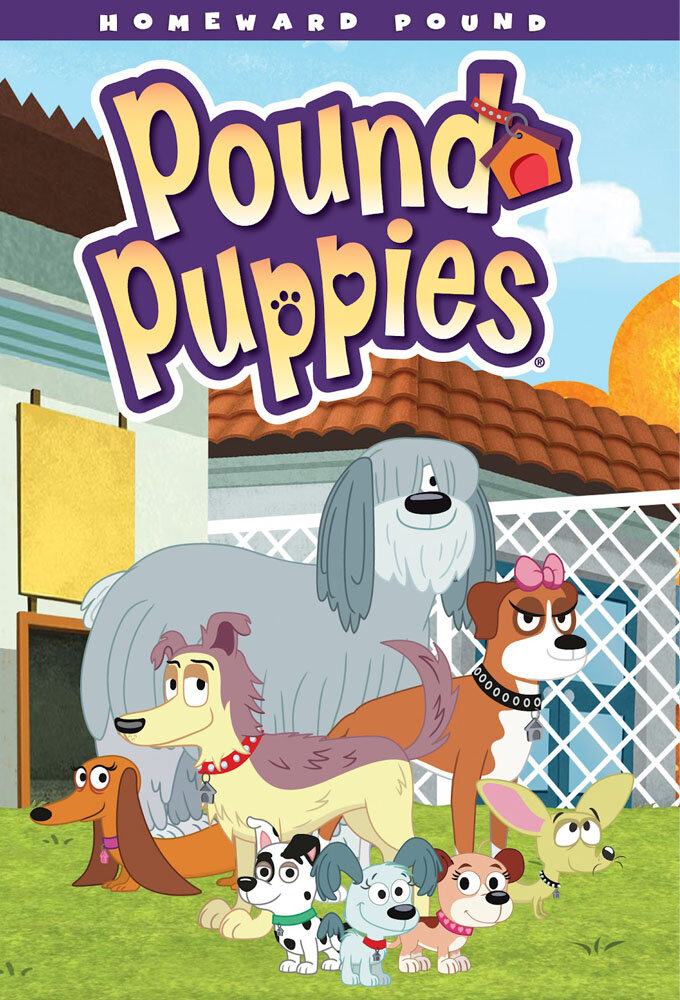
Adoption is a real good. Cartoon danger, cartoon ending. Then look at an actual animal.
The secret-agent framing is silly and a child can see that it is silly. Under it, the show prefers a specific dog with a specific person to a dog left in a cage. That preference is sound.
Watch one. If the house is not prepared to care for an animal, say so, and do not let the cartoon be the argument.
Industry
6/10
They have a mission and they execute it. The job is finding a home.
Household
6/10
A home is the happy ending, and it is the right happy ending.
Piety
2/10
None.
Courage
5/10
They take risks for a dog that cannot ask.
Republic
4/10
A pound is a public problem. They treat it like one.
Temperance
7/10
Mild. The peril ends.
Truth
6/10
A pet is a responsibility, not a toy. The better episodes remember.
Stewardship
6/10
The thing handed on is a creature that will still be there tomorrow.
Live historicallyIf you can take care of a pet, consider the one that is waiting. If you cannot, do not pretend the episode was a promise.