












































































































































































Tonight
Ten for the evening
One to ten. Newest, most watched, highest on the Living Meter. Prime, Disney+, Hulu, Hallmark, Acorn, and Netflix.
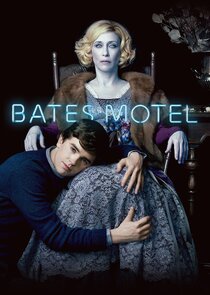
The covenant is real: a house, a mortgage, a color line. The horror then asks you to stay for the torture.
The Emorys want what the standard calls a household: a job, a school, a deed. Compton's answer is a campaign, and the campaign is not subtle. That half of the series is worth an adult's anger.
The other half keeps the camera on the violation until the violation is why you are still watching. Stop when you have understood the block. You do not owe the basement anything.
Industry
6/10
He goes to work. She tries to hold a kitchen that the block wants empty.
Household
7/10
A mother, a father, two girls. The house is the thing they came for and the thing that breaks.
Piety
4/10
Faith is in the mother's mouth. The show is more interested in the haunting than the prayer.
Courage
6/10
They stay when leaving would be wiser. Staying is not always courage.
Republic
7/10
Restrictive covenants and a neighborhood association are the civic crime, named.
Temperance
1/10
The violence against the children is prolonged. That is the product, past a point.
Truth
7/10
It tells the truth about how a nice block enforces a line.
Stewardship
3/10
Little is left to hand a daughter except the memory of the street.
Live historicallyIf your street has a quiet rule about who may buy, say the rule out loud. That is the covenant.
Decency as a strategy. It works better as a character than as a theory of everything.
Lasso's actual virtue is that he will not use a person's weakness as the joke, even when the room expects it. That is worth learning. The show then inflates it until niceness is supposed to heal a marriage, a club, and a personality disorder by the finale. Take the locker-room standard. Decline the miracle.
Industry
6/10
Coaching, training, a club that has to be run.
Household
4/10
A failed marriage back home. The team becomes the substitute house.
Piety
4/10
Belief, in a secular key. He means it.
Courage
6/10
He absorbs the mockery and stays.
Republic
5/10
A club is a small polity. The locker room has rules.
Temperance
5/10
Kindness is the discipline. The show sometimes thinks kindness replaces standards.
Truth
6/10
He tells the truth in a mode other people can hear.
Stewardship
5/10
He is trying to leave the club better. The diamond is still about him.
Live historicallyThis week, refuse one joke at someone who is not in the room to answer it.
A shop, a job, a customer. Slight, and pointed at work.
Bread Barbershop is a small shop, and a small shop is a better setting than a chosen one. The hero's day goes well when the customer leaves looking right. That is a true shape of work, wearing a silly costume. Fine for a young child, one or two at a time.
Industry
7/10
The barber has a chair, a tool, and a person to serve.
Household
4/10
The shop is the house. Customers are regulars.
Piety
3/10
Courtesy, not creed.
Courage
3/10
The brave thing is taking a difficult customer.
Republic
6/10
A town of people who need a service and pay for it with the plot.
Temperance
7/10
Mild and finished.
Truth
6/10
A haircut is a haircut, even if the head is a bun.
Stewardship
5/10
A child may notice that a job is for the person in the chair.
Live historicallyLet the child see a real person do a job for someone else this week.
Competence again, and again no address. A code is not a household.
Frances Neagley is the person in the Reacher books who can be trusted and cannot be held. The show understands the trust and films the distance as strength. Strength of that kind stops a crime. It does not build the block the crime happened on.
Admire the loyalty. Do not admire the refusal to belong.
Industry
6/10
She is exact at the work. Exactness is her whole comfort.
Household
2/10
No table. Proximity itself is the thing she refuses.
Piety
3/10
A private discipline stands where a creed would.
Courage
7/10
She walks toward the threat. That part is real.
Republic
4/10
The institutions are the obstacle or the client. She remains outside them.
Temperance
6/10
She is not a glutton. She is a locked door.
Truth
6/10
She keeps a promise. The show respects that.
Stewardship
2/10
She leaves the city the way she found it, minus a few men.
Live historicallyCall the person you keep at a professional distance and ask one question that is not about the work.
Clever cases. The lie is not a small joke: he is wearing a man's life, including a wife and a son.
John can solve what his brother could not because a life of setting puzzles is a kind of attention. That is the good joke. The bad joke is that attention arrives by stealing a husband's place at the table, and everyone is a little charmed.
Watch the cases if you like a mystery that has a shape. Say out loud that the household deserved the real man, or an honest stranger.
Industry
6/10
He can see the shape of a problem. The seeing is a trained habit, and it is real.
Household
5/10
He inherits a household he did not build and starts, clumsily, to keep it.
Piety
2/10
No creed. The puzzle is the god.
Courage
4/10
He takes the cases. He will not take them under his own name.
Republic
4/10
A police department that needs the result and does not look hard at the man.
Temperance
6/10
The murders are puzzles more than spectacles.
Truth
4/10
The cases tell the truth. The man solving them is a fraud the show finds endearing.
Stewardship
5/10
A boy gets a version of a father. The version is a substitute, and the show knows it is odd.
Live historicallyIf you are covering for someone, tell the people who eat with them. Do it this week.
A contest of appetite. The prize is money, and the work is a stunt.
Twelve pairs, a life-size chocolate factory, a life-changing sum. The logline is the review. Work has been turned into a stunt, wonder into a sponsorship, and a good life into a single check. A man may enjoy a contest. He should notice when the contest is the only remaining idea of excellence.
Dahl's original factory was already a warning about greedy children. This version keeps the sugar and misplaces the warning. If the house is going to watch people scramble, watch something where the scramble teaches a skill. Leave the golden ticket in the wrapper.
Industry
3/10
Effort, yes. A craft you could live by, no.
Household
4/10
Pairs can mean loyalty. The format will test it for sport.
Piety
1/10
Wonder is a branded set.
Courage
4/10
Competition takes nerve. The stake is a check.
Republic
2/10
Neighbors are rivals by design.
Temperance
2/10
Sugar, money, and the feed. Appetite is the architecture.
Truth
3/10
Reality formats edit the truth into a twist.
Stewardship
1/10
Nothing remains but the winner's photo.
Live historicallyMake one thing in your kitchen from scratch and give half away. That is a better factory.
Sisters who refuse a sour rule. Light, and on the side of the children.
The governess wants silence, measurements, and a house with no music. The sisters want each other. The film is not subtle and it does not need to be. A tyrant of the nursery is still a tyrant. Their father is distracted and then he looks, which is the adult's job.
There is a magic garden and a dance floor. There is also a plain defense of brothers and sisters sticking together when an outsider tries to divide them from a parent. Watch it, then don't hire the governess.
Industry
5/10
The girls have chores and a secret. The labor is light.
Household
8/10
A widowed father, a pack of sisters, a house worth repairing.
Piety
3/10
Wonder, not worship.
Courage
6/10
They defy a cruel adult. They do not defy the father once he sees.
Republic
5/10
A household government, badly staffed, then corrected.
Temperance
7/10
Joy is not the same as appetite. The governess confuses them.
Truth
7/10
She is lying. They find the proof.
Stewardship
7/10
The house is for the children who will live in it.
Live historicallyDance once in the kitchen with the children you actually have.
Friendship as a duty, not a mood. One of the better shows on the children's row.
Alexa is sick and does not want the year to be about being sick. Katie helps her hide it, which is not a perfect plan, and the show is honest enough to let the hiding cost them. The mothers are not fools. The friendship is the plot, and for once the plot is a duty: show up, keep the secret only as long as it protects rather than isolates, tell the truth when the truth is due.
Good beside a parent for an older child. Ask afterward what Katie owed Alexa, and what she owed the adults. Both answers matter.
Industry
5/10
School is still school. They are trying to stay in it while one of them is ill.
Household
7/10
Mothers are present and competent. A friend stays. That is a household of a kind.
Piety
4/10
Illness is handled with care. The show is not pious, and it is not mocking.
Courage
7/10
Katie carries a secret that costs her, for someone who needs the year to be normal.
Republic
5/10
A school full of other people who are not only an audience.
Temperance
5/10
Teen romance wanders in. It does not eat the illness.
Truth
6/10
The sickness is not a twist. They live with it.
Stewardship
6/10
What they are keeping is a friendship through a hard year, which is a thing you can hand on.
Live historicallyShow up this week for a friend who is having a hard year. Do a practical thing, not a speech.
A lesson that tells the truth about quantity. No cynicism, no extra world to live in.
Numberblocks is a school lesson that does not apologize for being a lesson. The characters are the numbers, the joke is the math, and the math is correct. It will not form a conscience. It will form a sense that the world adds up. That is a good use of ten minutes and a bad use of an hour.
Industry
6/10
Making a number come out right is a kind of craft.
Household
4/10
No house. A company of numbers.
Piety
3/10
Order is respected, which is cousin to reverence.
Courage
3/10
The risk is a wrong sum, and they repair it.
Republic
5/10
They only work when they agree to combine.
Temperance
8/10
Short, bright, and finished.
Truth
9/10
Two and two are four. The show does not lie about that.
Stewardship
7/10
A child may leave able to count something real.
Live historicallyCount something in the kitchen out loud after the episode, and then turn it off.
A showman learns a theater is a promise. The songs are bait. The promise lands.
Buster Moon is a promoter who has spent the rent and the truth. The contestants are animals with ordinary burdens: a mother of many, a son under a gangster father, a shy girl, a porcupine who writes her own song. The film likes their work more than his hustle, and by the end so does he. The theater is rebuilt because they show up, not because the lie worked.
It is a jukebox and a crowd-pleaser. It is also a small defense of finishing what you sold tickets for. A family can sing along and still hear that.
Industry
7/10
Rehearsal, a payroll, a building. The hustle is exposed as not enough.
Household
6/10
A mother, a hard father, a stage that becomes a little house.
Piety
2/10
None.
Courage
6/10
They perform scared.
Republic
5/10
A neighborhood theater is a common good he nearly wastes.
Temperance
6/10
The lie about the prize money is the vice, and it costs him.
Truth
7/10
He is a fraud who has to become a producer.
Stewardship
6/10
What he owes is the show, to the people who trusted the poster.
Live historicallyIf you announced a thing, do the thing. Do not hope the poster is enough.