























































































The word
What creativity hides.
Making something new is not the problem. The problem is using the word so a tax cut, a closed plant, or a bailout sounds like art.
Thomas Frank said this with Tucker Carlson on November 13, 2026. He is not against making things. He says that is what he admires most. People took the word creativity off a person at a bench and used it to cover a class, a tax cut, a closed plant, a payday loan, and a machine. The short version is first. Then the newspapers, the years, and who spent the word.
The summary
A word everyone loves can excuse anything, once the papers will say it.
- The faculty is real. Making a new thing is not the crime. The crime is the use.
- The press did not have to invent the word. It had to repeat it, and to stop repeating the maker.
- From the war poster to the bailout, the hero changes. The person at the bench leaves. The person who collects the interest arrives.
- A house that can name the trick can refuse the ride.
How the media carried it.
Six stops. This is the plan of the telling, not a claim that a newsroom coined the word. Open one. The picture, the size, the history, and then the detail.
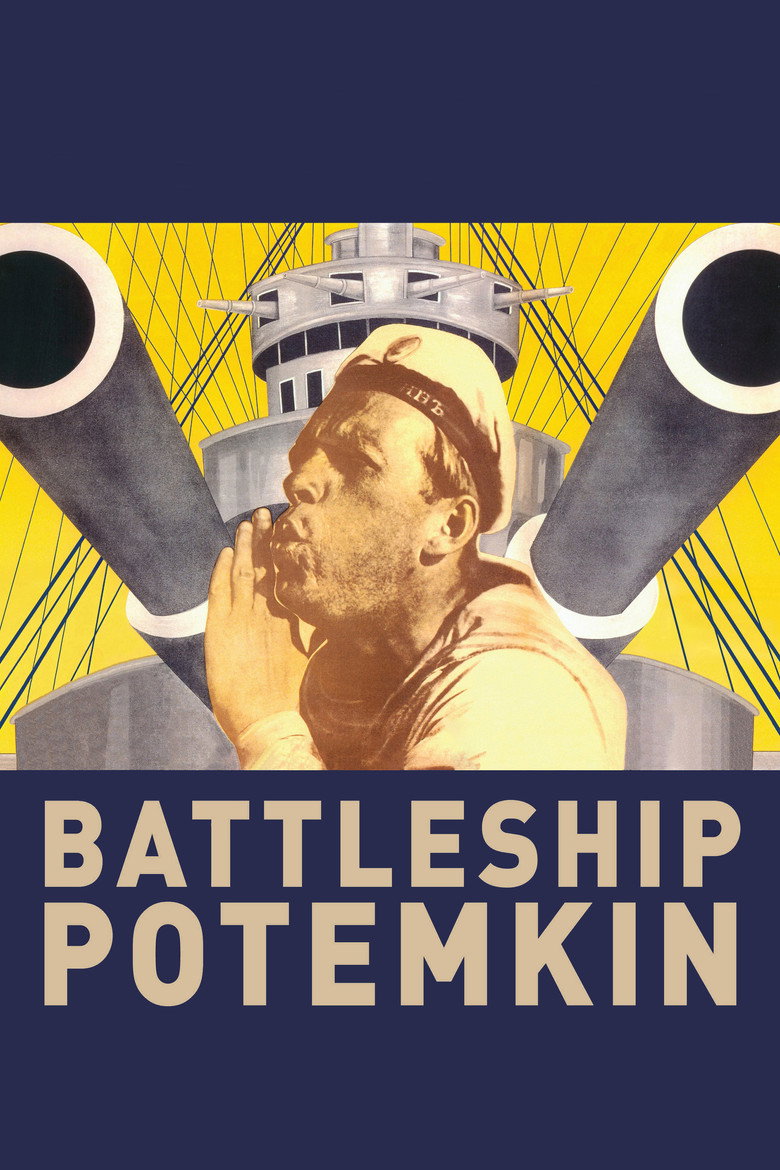
Opened · The poster still meant the bench

They made the person who made the thing the hero, and they told the country so.
Tucker’s question, kept apart from the ladder. How do you get from Rosie the Riveter to a hero who lives on the interest?
The history
In the war the poster and the newsreel put the maker in the center. A new industrial process could make a person famous. The rich man in that story had built something. Working people were not a backdrop.
How it was carried
That telling is the baseline. If a later paper never mentions it, the change in heroes is invisible. Frank does not start the word creativity here. He starts it after the war. Tucker starts the media question here, because a public is not moved from one hero to another unless someone is willing to say the new one, and someone else is willing to stop saying the old one.
In detail
China, he notes, did not adopt the post-industrial story. A shop floor teaches the next thing. Fuel injection is creative. A baked-bean factory has innovation in it. The sneer is not at the work. The sneer is at the people who do the work. The old poster refused that sneer.
The years.
Six years. Open one. You get what happened, how big the change was, and the record. A clock time is a place in the conversation, not a law.
Opened · The psychological construction

The word leaves the bench and enters a test.
This rung is the faculty people already loved, the making of a new thing, re-described after the war as a trait a psychologist could look for and a book could train.
The size of it
The study
High performers. People who can think under pressure. The services wanted more of them.
The shelf
Everybody can learn it. That is the promise that turns a wartime search into a national product.
No separate clock on the studies themselves. In the account the literature comes after, at 12:33. The history
Later writers took the Manhattan Project as a lesson that scientific genius was now the quality that mattered. They point back to Hiroshima for that lesson. During the war the Army and the Navy studied draftees and officers for the person who could think under pressure. The literature that names that talent creativity comes after those studies. The services did not hand the word out.
How it was carried
Then the self-help shelf. Tea, a walk, a journal in the morning, and you become a more creative person. The books did not invent the faculty. They made it a product. A product can be sold to a research division, and to a public that wants to be the person the studies were looking for.
Creativity
The notesEvent
The research boom after the war, and what the Manhattan Project left behind: a country ready to treat scientific genius as the quality that now mattered most.
How
Army and Navy studies of draftees and officers sought the high-performing individual who could think under pressure. The psychological literature that names that talent creativity arrives after those studies. The academic and self-help machine branded it later. The services did not hand the word out.
Result
A self-help industry. Genius, scored and trained, is set above the work of making.
The word leaves the bench and enters a test.
12:33. The literature comes after the wartime search. No separate clock on the studies themselves.