Skip to content

A person

Character

Development is the change a story asks you to copy. A new costume is not a character. A speech is not a character. If the person at the end can live differently, and the story is honest about what it cost, something developed. Bandura's old finding sits under this: people copy what they see rewarded.

Three changes

A person grows, holds, or falls. Pick one. The titles are already measured.

The person at the end can do something the person at the start could not. Keep a promise. Tell a truth. Leave a house that asked them to lie. The change is the story. If you can name it in one sentence, it happened.

  • Hand it on. A man is allowed to change, and a child's house is the test.

  • Conscience costs her the house she wants. She leaves anyway.

  • Steinbeck's old question, still the right one: thou mayest.

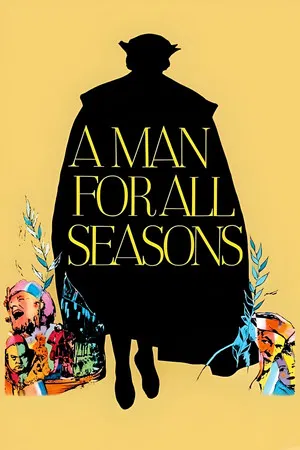
  • Courtship as a test of character. Marriage is the good, and it is not cheap.

  • The household, the neighbor, the quiet no to a predator. Keep this one in the house.

Eight ways a person changes

Each measure is a kind of change. The workshops call the whole thing an arc. The desk asks which way the person moved.

Courage

They pay a price they could have avoided. If nothing costs, it was not courage.

Does anyone risk something that matters, or is it only noise?

Look at this one

Jane Eyre

Conscience costs her the house she wants. She leaves anyway.

She leaves comfort twice, with nowhere safe to go.

After the ending

  1. Who is different, in one sentence?
  2. What did it cost them?
  3. Did the story reward the change, or only the charm?
  4. Is that a person you want in the house?

Four answers. Then stop. A lecture after the credits is not character either.

The questions a child can ask are on Literacy. The eight measures are on the rubric.