Tonight
Ten for the evening
One to ten. Newest, most watched, highest on the Living Meter. Prime, Disney+, Hulu, Hallmark, Acorn, and Netflix.
01
Barbie as the Princess and the PauperPrime Video · 2004 · Film
Barbie as the Princess and the Pauper
Two girls, one duty. Better than the poster. Still a doll's film.
The pauper works. The princess is being sold into a marriage to save a bankrupt court. The film treats that sale as wrong and the work as honorable, which is more than most pink posters manage. They help each other. The poor girl is not a moral lesson the rich girl consumes.
The songs are candy and the ending is a double wedding. Fine for a child who wants a dress and a plot. Say out loud that a real household is not saved by a secret twin. It is saved by the work the pauper already knew how to do.
Industry
7/10
Sewing, accounts, a kingdom in debt. Work is not the enemy.
Household
6/10
Marriage is the threat and then the reward. The threat is the interesting part.
Piety
3/10
No piety. A fairy-tale providence.
Courage
6/10
Each girl takes the other's risk.
Republic
6/10
A bankrupt realm is a political fact, not just a ballroom.
Temperance
6/10
Greed is the villain's, and it is ugly.
Truth
7/10
The switch reveals character. It does not reward a fraud.
Stewardship
6/10
A child can leave knowing a dress is not a job.
Live historicallyShow a daughter one job a princess in a real house actually does.
A father's fear after a loss. The joke is loud. The love is real.
Dracula lost his wife to a human mob and decided the answer was a fortress. The film thinks the grief is legitimate and the fortress is not. His daughter is not a prisoner in his mind. She is a person with a life, and the human boy is ordinary, not a monster in reverse.
The gags are incessant. The shape is a father learning that protection can become possession. That is a film a parent needs more than a child does. Watch it that way.
Industry
5/10
He runs an inn with standards. The standards become a cage.
Household
7/10
A widower and a daughter. The marriage he lost still governs him.
Piety
3/10
Monsters as a club. No creed.
Courage
6/10
He has to risk the world again.
Republic
4/10
A hotel is not a republic. Fear of the mob is understandable.
Temperance
5/10
Overprotection is the excess.
Truth
7/10
He has been lying to her about why the doors are locked.
Stewardship
7/10
He has to hand her a life, not a lobby.
Live historicallyName one fear you are using as a lock on someone you love.
A parent's warning, tested. Short and sound.
The child Gruffalo does not believe the mouse is dangerous, so she goes into the wood. The mouse survives by wit, not by eating her. The father was not trying to ruin her courage. He was trying to keep her from being a predator's errand. She comes home knowing more, and still his.
A small film with a real shape. Curiosity is not punished with humiliation. Recklessness is not rewarded with a speech about believing in yourself.
Industry
3/10
A walk in the snow.
Household
8/10
A father, a child, a warning that holds.
Piety
3/10
A fable.
Courage
6/10
She goes out. She also comes back.
Republic
4/10
A wood with rules the mouse understands.
Temperance
6/10
Doubt of a parent's word is the excess, and the wood answers.
Truth
7/10
The mouse's trick is a trick. The danger was not invented.
Stewardship
7/10
She is returned to the cave.
Live historicallyLet a warning be proved by the world, not only by your volume.
A setback, a return home, a small business. Gentler than it looks.
Barbie is fired and the film does not treat fame as her right. She goes to an aunt, finds a business in trouble, and the remedy is work and a grandmother's craft, not a second audition. Ken is a friend in a car, not the plot.
It is still a commercial for a doll. The useful part is the order of operations: lose the spotlight, go home, be of use. A girl can hear that without a lecture.
Industry
7/10
A shop, a design, a deadline. The work saves the place.
Household
6/10
An aunt, a grandmother's unfinished work, a return home.
Piety
2/10
None.
Courage
5/10
She stays and helps instead of sulking in the city.
Republic
5/10
A neighborhood shop against a cheat.
Temperance
6/10
Disappointment is not a license to be useless.
Truth
6/10
The rival is cheating. They prove it.
Stewardship
7/10
What she saves is someone else's livelihood.
Live historicallyIf a plan fails, go help someone who still has a shop to open.
A lifelong friend is a real good. The series sells it with too much gloss and a funeral hanging over it.
Tully and Kate are a picture of a friendship that functions as a vocation, which some lives really do have. The series wraps that picture in the conventions of a bestseller: a countdown to a loss, a secret, a career that photographs well. You can be moved by it and still see the strings.
Adults. If you watch it, watch it for the cul-de-sac, not for the newsroom. Ask which of your own old friends you have replaced with people who are useful.
Industry
5/10
Newsrooms and a talk show. The work matters less to the show than the bond.
Household
6/10
Mothers, a daughter, men who are not equal to the friendship.
Piety
3/10
Sentiment stands where reverence might.
Courage
5/10
They defend each other at a cost, and sometimes when they should not.
Republic
5/10
A street that remembers them. The wider world is an office.
Temperance
4/10
Ambition and affairs get their episodes.
Truth
5/10
Memory is unreliable on purpose. The show wants the feeling more than the record.
Stewardship
6/10
The question is what one woman leaves the other to finish.
Live historicallyWrite to a friend from the street you grew up on. Not a comment. A letter.
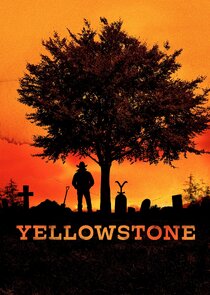
Inheritance as identity. A ranch can be a stewardship or a fortress. This tradition picks the fortress.
A ranch is one of the few plots television has left where stewardship is literal: grass, water, winter, the people who work it. The Dutton way of telling that story keeps turning the stewardship into a blood right against neighbors, tribes, and the state. The work is real. The throne is the lie they tell about the work.
Industry
6/10
Cattle, horses, weather. The work is not pretend.
Household
5/10
Blood is everything. That keeps them and blinds them.
Piety
2/10
The land is the god.
Courage
5/10
They will fight. They call every fight a necessity.
Republic
3/10
The valley's law is whatever the family can enforce.
Temperance
4/10
Pride is the family style.
Truth
4/10
The grievance is partly true and wholly indulged.
Stewardship
5/10
They mean to hand the ground down. The means corrupt the handing.
Live historicallyIf the land matters to you, learn one true thing about who kept it before your family name.
The land is a real good. The method is a feud. Do not confuse them.
The show's best instinct is that a place can be worth keeping and that keeping it is work. Cattle, fences, a brand, a courthouse. A household that has only known a suburb can feel the pull, and the pull is not fake. Stewardship is in the premise.
Then the premise picks up a gun and a speech. The Duttons treat neighbors, Native nations, and their own children as obstacles to a legacy. A legacy that requires a body is not stewardship. Watch the work. Refuse the western that says the family is the law.
Industry
8/10
Ranching is shown as labor, weather, and a payroll.
Household
4/10
The family is the fort. Love inside it is mostly loyalty under orders.
Piety
2/10
The land is holy to them. Other people's claims on it are not.
Courage
6/10
They will fight for the ranch. The fight is often the wrong tool.
Republic
3/10
A valley with laws. The family would rather be the exception.
Temperance
4/10
Violence and whiskey are the style of the men the show likes.
Truth
4/10
The story they tell about the land leaves out the people who were there.
Stewardship
6/10
Keeping a place for the people who come after is the right question. Their answer is a bunker.
Live historicallyLearn one true thing about the land you live on that is not a brand.
A climb with no household and no limit. Boys will find it. Do not leave them there.
Jinwoo starts as the person who shows up anyway, which is a real virtue, and the show knows it for a few episodes. Then the fantasy arrives: secret power, a system that rewards him, a world that exists to be cleared. Other people become the audience of his level. That is the modern boy-story in its purest form, and it is popular because it is a mirror, not because it is a correction.
A teenager will watch it with or without you. Watch the first episodes beside him and name the turn, out loud, when the courage stops being for the weak people in the room and starts being a private high score. After the turn, you already have the measure.
Industry
5/10
He grinds. The work is real at the start and then becomes a montage of dominance.
Household
3/10
A mother and a sister are the stake, and then the stake is his rank.
Piety
1/10
No reverence. The system is the god, and it likes him.
Courage
6/10
He goes into the gate when he is the weakest person there. That part is true.
Republic
2/10
Hunters are a marketplace of rank. A city is a place that needs saving by him.
Temperance
3/10
The pleasure is the power spike. The show is built so you want the next one.
Truth
4/10
The threat is plain. The later fantasy is not an honest account of strength.
Stewardship
2/10
What a boy takes home is a wish to be unmatched. Unmatched is a lonely stewardship.
Live historicallyIf a boy wants to be the strongest, ask him strongest for whom, and do not accept 'myself.'
A teacher in charge, and a fact at the end. The fantastic bus is only the way they get to the fact.
Ms. Frizzle is an adult who knows more than the children and uses the advantage to show them the world, not to become their peer. That alone separates this from the row around it. The bus is impossible and the facts are not. Watch it when a child asks how a thing works. It is a lesson. Treat it as one.
Industry
7/10
The episode is a lesson, and Ms. Frizzle treats teaching as a vocation.
Household
4/10
A class, not a family. She is the adult, and she remains one.
Piety
4/10
Wonder is allowed to be about the world, not about the children.
Courage
5/10
They go into the difficult place because she goes first.
Republic
6/10
A class that has to come back and report.
Temperance
7/10
The marvel serves the explanation. It does not replace it.
Truth
8/10
The science is the point, and the show checks itself.
Stewardship
7/10
A child may leave knowing how something in the real room works.
Live historicallyAfter the episode, find the same fact in the house: a plant, a light, a bone.
Making, without irony. The calm is not an accident.
Ross is not a children's host and not a drama. He is a man doing one thing well and refusing to humiliate the viewer for being new. A house that has been living on commentary can put this on and remember what a finished thing feels like. Paint with it or cook with it. Do not fold laundry and call that the same, though the laundry is also fine.
Industry
9/10
A craft, shown from the first stroke to the last, in real time.
Household
4/10
No household on screen. The voice is paternal anyway.
Piety
4/10
Gratitude is the tone. He treats the world as given.
Courage
4/10
The bravery is the mark on a blank canvas, which he refuses to dramatize.
Republic
3/10
A studio. The public good is the invitation to try.
Temperance
9/10
No appetite. No rush you can fail.
Truth
8/10
He says mistakes are just trees. He means the paint, and he is right.
Stewardship
7/10
A skill handed to strangers, free, on purpose.
Live historicallyMake the picture, or the meal, all the way to done. His promise is that done is available.