Tonight
Ten for the evening
One to ten. Newest, most watched, highest on the Living Meter. Prime, Disney+, Hulu, Hallmark, Acorn, and Netflix.
A parricide, polished into an icon. The household is the victim and the punchline.
The public listing is blunt. A repressed daughter and a house of cruelty, then a fantasy of power and revenge, then an axe, then an icon who is shocking, monstrous, and gloriously free. That is the measure. You do not need the gore recited back to you. The show is telling you what it loves: the killer as a liberation story.
A cruel house is a real evil. The standard answer was never to make a celebrity of the person who ends it with a blade. Monster has been in the business of this glamour before. Lizzie Borden did not need a halo, and your household does not need the lesson that the surest way out of humiliation is to become legendary for a crime. Leave it.
Industry
2/10
No craft here but the making of a grisly brand.
Household
1/10
Parents killed, and the killing offered as escape from the house.
Piety
2/10
Judgment is shrugged off. The legend is the altar.
Courage
3/10
Nerve without a good end is only appetite with a spine.
Republic
2/10
A crime against a family is played as self-creation, not as a wrong.
Temperance
1/10
The listing itself promises power, revenge, and a monster you are meant to enjoy.
Truth
3/10
An unsolved murder becomes a story about image. Truth is optional.
Stewardship
1/10
What it leaves behind is a poster of a slaughter.
Live historicallyIf your own house has a cruelty in it, deal with it in the daylight — a conversation, a counselor, a door. Not a myth.
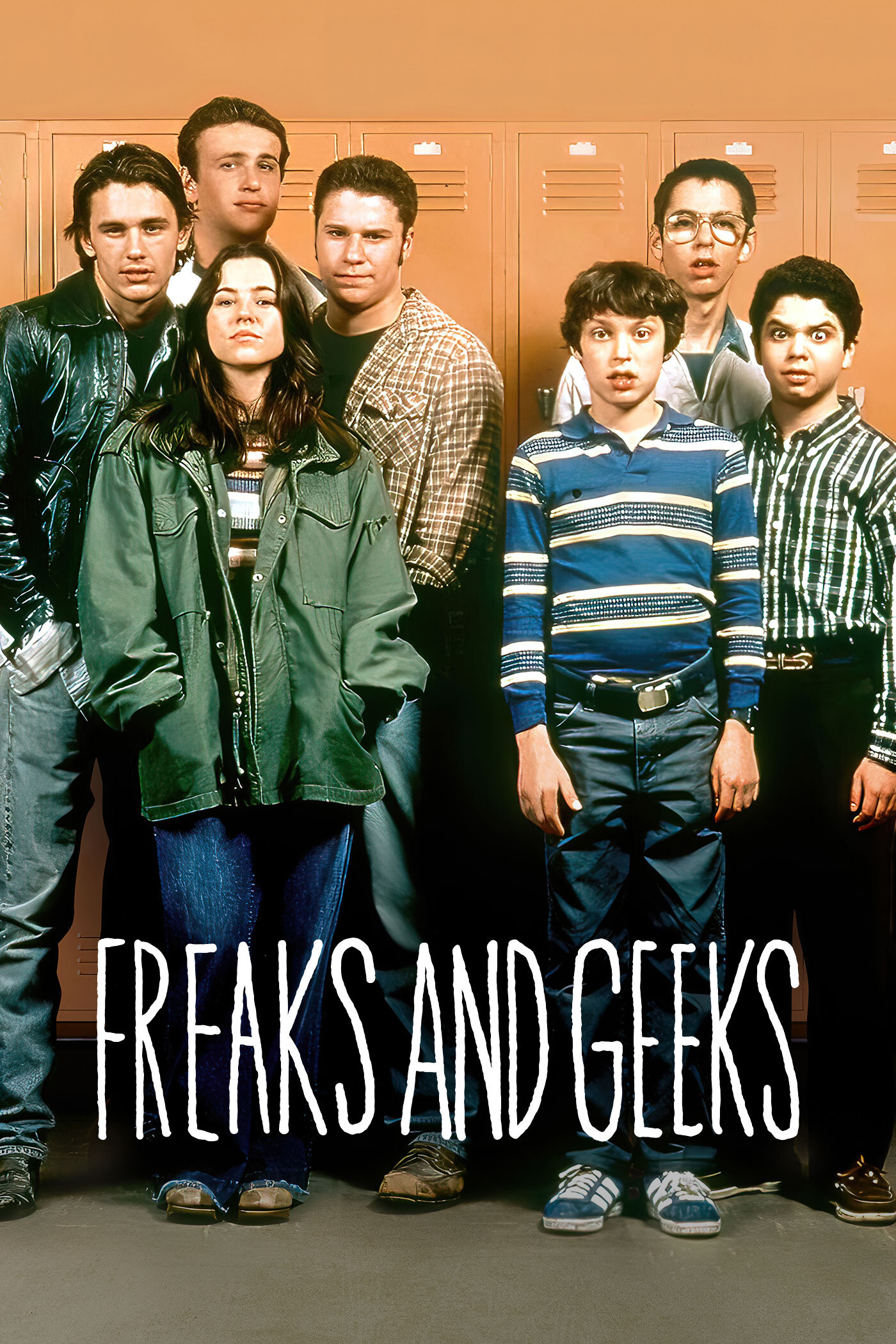
The rare teen show that likes the uncool kid and does not punish the family for existing.
Lindsay wants to be good and is bored of the official way of being good. Sam wants to get through the day without being hit with a dodgeball. Their parents are worried in complete sentences. Almost no teen television allows all four of those facts at once.
This is the one to hand a fourteen-year-old if the alternative is the row that thinks cruelty is personality.
Industry
5/10
A father who works. School that is actually attended. The band is a practice.
Household
7/10
The parents are not fools. The siblings share a house and a shame.
Piety
3/10
No creed, but a conscience that has not been ironized away.
Courage
6/10
Lindsay walks toward the kids she was told to avoid. That is a real risk in a real cafeteria.
Republic
5/10
A school, a gym, a kitchen. The institutions are ordinary and therefore believable.
Temperance
6/10
Desire is present and not the only weather.
Truth
8/10
It refuses the pretty lie about high school.
Stewardship
6/10
It was cancelled because it would not become the lie. That is a kind of keeping.
Live historicallyWatch the pilot. If the house laughs at Sam, turn it off. If it worries for him, keep going.
The father learning to die without panic is the good. The romance with Death is the confusion. Adults.
Bill Parrish is a man of business and daughters, and the film's long patience is mostly for him: a birthday, a succession, a chance to say the true thing before he is collected. That patience is a gift in a culture that will not sit at a bedside. The love story between his daughter and the guest is a category mistake the movie is too fond of. Death is not a suitor. A borrowed face is not a boyfriend.
It is three hours. Give them to the father, not to the courtship. If the room swoons at the wrong pair, say so. Then talk about the birthday, which is the scene that knows what a house is.
Industry
6/10
A life's work, reviewed.
Household
7/10
A father and daughters at a real threshold.
Piety
5/10
Death as a person is an old device. Do not flirt with it.
Courage
6/10
He faces the end.
Republic
5/10
A company that will outlast him, and should.
Temperance
5/10
Slow, and indulgent in the romance.
Truth
6/10
The limited time is true.
Stewardship
6/10
It can hand on a birthday said properly.
Live historicallyPut one affair in order as if you did not have forever, because you do not.
A school and a civic argument, in Saturday-morning clothes. Better than it needed to be.
The 1992 series is the one X-Men '97 is answering. Under the capes: Xavier's school, a team that disagrees, a public that panics, a brotherhood that wants the panic answered in kind. The animation is of its decade. The argument is not. A people can be afraid of you and you can still refuse to become their fear.
Good for an older child watching with you. The fights are constant. Ask, after, which character wanted a citizen's life and which wanted a war. Prefer the first, out loud.
Industry
5/10
Teaching is the work. The danger keeps closing the school.
Household
5/10
The mansion is a house for the children no one else will keep.
Piety
4/10
Hope, almost a creed, aimed at the team.
Courage
7/10
They stand between a mob and a child.
Republic
7/10
The question is citizenship.
Temperance
5/10
Revenge has a spokesman. He is not the hero.
Truth
6/10
Leaders hide things. It comes due.
Stewardship
7/10
A school is an act of posterity.
Live historicallyTeach a child one sentence they can say when the room turns on someone quieter.
A father in the house. The laugh is his pride, and the neighbor over the fence is the conscience.
Tim Taylor wants every job to be louder. Jill and Wilson exist to say that louder is not the same as fixed. That is a usable comedy for a house with a father in it. The gender jokes are of their decade. The shape, a proud man learning he is not the only competent person in the kitchen, still holds.
Industry
7/10
Tools, a job site, a how-to show. Making is the family religion.
Household
8/10
A marriage, three sons, a kitchen that is actually used.
Piety
4/10
Wilson's advice is wisdom in a costume. Church is not the source, but humility is.
Courage
4/10
Tim's bravery is mostly bluster. The show knows and corrects it.
Republic
4/10
A neighborhood with a fence and a conversation over it.
Temperance
6/10
The excess is a bin of more power. The lesson is that more power is the mistake.
Truth
6/10
He is wrong by the end, in front of his sons.
Stewardship
7/10
The sons are watching. The show remembers that they are.
Live historicallyFix one small thing in the house properly, without upgrading it into a performance.
Keep it for adults who can argue with it. Courtship, a dowry, a brawl, and a village that is a character.
Sean wants Mary Kate and wants the past he ran from to stay quiet. The film is lush, funny, and of its time in ways a house should not swallow whole, especially the rough comedy of a marital fight. What it knows deeply is a village economy of respect: her things are not things, they are her standing, and his American impatience is not automatically the higher law. The land is filmed as if it were owed attention.
Watch it as a grown comedy, not as a manual. Then notice the dowry scene is about dignity. People still need their dignity named in front of the neighbors.
Industry
6/10
A farm, a dowry, actual fields.
Household
6/10
A marriage that has to be public to be real.
Piety
4/10
A parish in the background.
Courage
6/10
He stays and finishes the custom.
Republic
7/10
A village with its own law.
Temperance
5/10
Pride on both sides.
Truth
6/10
Her demand is about standing, and the film finally hears it.
Stewardship
6/10
It hands on a place with customs you do not get to skip.
Live historicallyDo not import your own terms into a place and call the place backward before you have listened.
Reverent, stiff, and on the side of the story it tells. Read the Gospels. This is a period piece of teaching, not a replacement.
Churches used this series because they wanted the life of Christ in a room with children and with people who would not read long. The pictures are of their year, and some of them are stiff enough to hide the person. The aim is still the right aim.
Show a episode only beside the chapter it came from. If the film and the chapter disagree, keep the chapter.
Industry
4/10
Disciples with a work, shown in the style of a church film. The craft is the telling.
Household
5/10
Mary, a band of followers, meals. A household of the story, simplified.
Piety
8/10
The subject is worship. It does not wink.
Courage
5/10
The courage is in the text it is trying to stage.
Republic
4/10
A occupied country, softened by the production.
Temperance
8/10
No appetite. The limit is stiffness, not seduction.
Truth
6/10
It wants to be faithful. A 1951 production is not the text.
Stewardship
6/10
Made to be handed to the next class in the hall. That intention is honorable.
Live historicallyRead one Gospel scene aloud. If you watch the film of it, watch after, and briefly.
Looking carefully is a good. A beautiful animal is not yet a story, but it is a start.
Nature films justify themselves when they teach attention and do not pretend the reef is a personality. The tile suggests that kind of hour: a creature, a place, no celebrity in the way. Stewardship begins with knowing what is there. It fails when the pictures are so pretty that the damage never has to be said.
Put it on if you will let a child watch without talking over the animal. If the film never says what threatens the water, say it yourself in one sentence. Attention that cannot bear a fact is only a screensaver.
Industry
4/10
Observation is a discipline.
Household
3/10
No household. A habitat.
Piety
5/10
Awe is appropriate and easy.
Courage
3/10
Little human nerve required.
Republic
4/10
A common sea.
Temperance
6/10
Quiet.
Truth
5/10
Depends on whether it reports the harm.
Stewardship
7/10
The right use is a more careful eye.
Live historicallyLearn the name of one creature in a real water near you.
A friend who stays. Light, harmless, and small.
Kiff is enthusiasm. Barry is the friend who would rather not, and comes anyway. The town of Table Town is a stack of comic offices. There is no menace worth the name. The show's single solid good is a friendship that includes the reluctant party as a person, not a sidekick to be improved.
Fine for a young child in short measure. It will not teach a trade or a faith. It will not wound. That is the whole recommendation.
Industry
4/10
Schemes, not work.
Household
5/10
Friendship as a daily practice. Families are nearby and mild.
Piety
2/10
None.
Courage
4/10
Social bravery: asking, apologizing, trying again.
Republic
5/10
A town with offices. The offices are jokes.
Temperance
7/10
Gentle. The embarrassment is survivable.
Truth
6/10
They admit the plan was bad.
Stewardship
4/10
A habit of staying friends. Little else to inherit.
Live historicallyLet a child host one friend and do the hosting themselves: the snack, the goodbye, the mess.
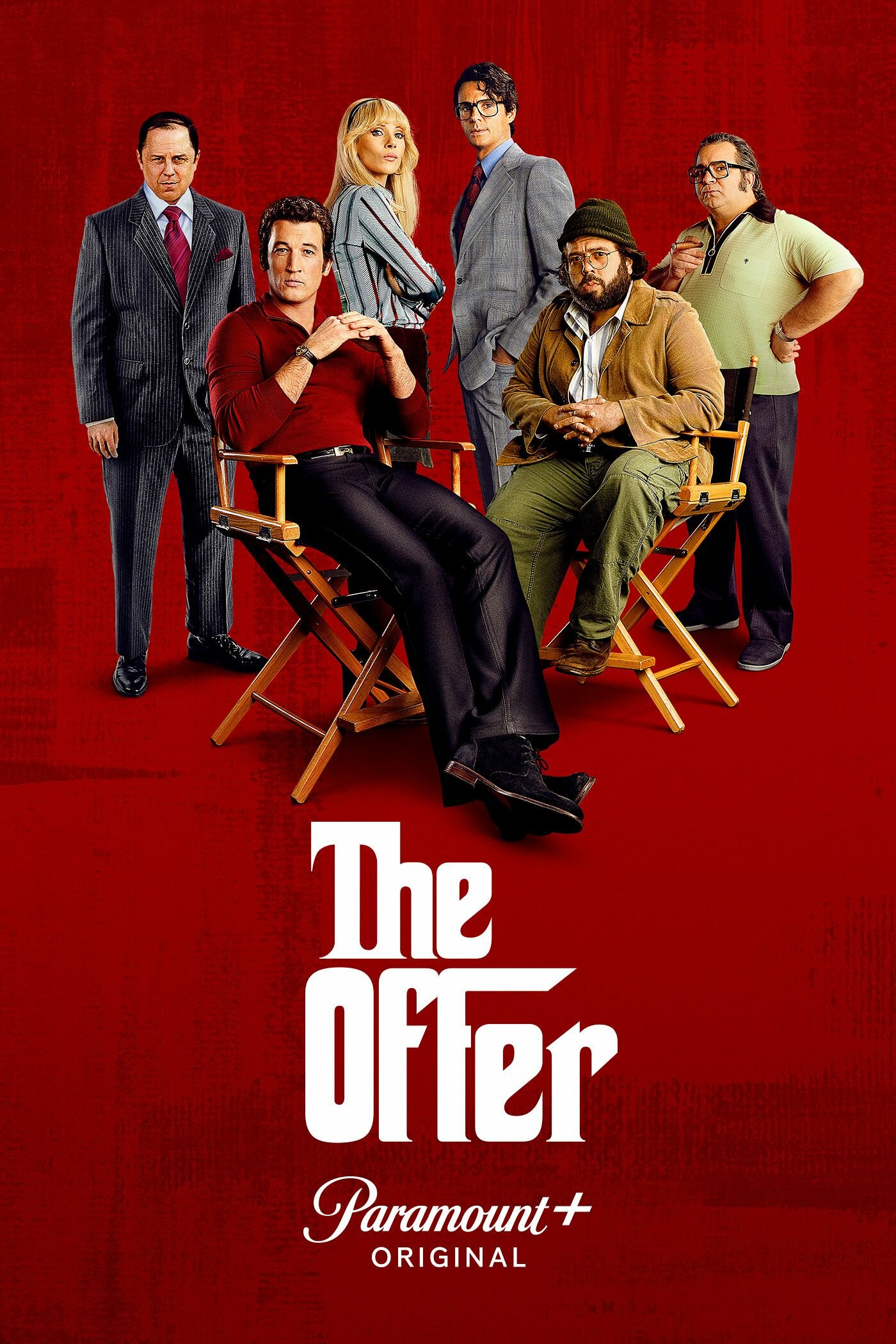
Work, and the work is a film about criminals. Admire the refusal to sand it down. Do not admire the life in the film.
The Offer is a workplace story about not letting a committee sand the uncomfortable part off. That is a real virtue in a maker. The uncomfortable part, in this case, is a beautiful portrait of a crime family, and this series is a little in love with having been in the room.
Watch it after The Godfather, not instead of a conscience about it. The courage was the cut they refused. The danger was the life they made look magnificent.
Industry
8/10
Budgets, cuts, a shoot. Making the picture is shown as a job with enemies.
Household
3/10
Marriages and families sit at the edge. The picture eats them.
Piety
2/10
Loyalty is to the movie.
Courage
6/10
He keeps the film when saying yes to the notes would be easier.
Republic
4/10
A studio, a crime family interested in its portrait, a city.
Temperance
4/10
The glamour of the set is half the pleasure.
Truth
6/10
It is candid that art this bloody was a fight to release, and that the fight had vanities.
Stewardship
4/10
What they hand on is a film. The film's own argument about inheritance is darker than this series likes.
Live historicallyFinish a piece of work you have been softening so it would offend no one. Let it offend.