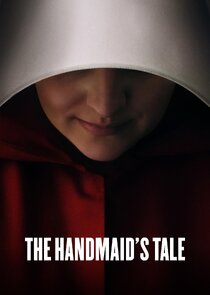
Hulu · 2017 · Series
The Handmaid's Tale
A tyranny that uses the language of faith to steal women, children, and the future.
Find on IMDbHulu
A warning about power in religious costume. Conscience is the heroine, not the regime.
Gilead speaks scripture and commits a crime against the household: women taken, children renamed, vows replaced by policy. Do not make the lazy mistake of scoring this as an attack on piety itself. The show's better idea is older than the novel. A creed kidnapped by power is not a creed. Conscience is whatever refuses the kidnapping.
The failure is duration. A warning becomes a pageant of pain, and the pageant trains you to look. One season tells the truth. The tenth mostly repeats it louder. Watch enough to hate the right thing — the theft of a child and the lie told about God — and then go do something smaller and real for an actual family. Including yours.
Live historically
Do one concrete good for a household that is not yours: a meal, a ride, an hour of childcare, a check sent without an audience.
From the desk of Living Historic.
The eight
Industry
5/10
Work exists mostly as bondage. The free craft is survival and witness.
Household
7/10
The crime of the state is the theft of marriage, motherhood, and the child.
Piety
6/10
Piety as a weapon is exposed. Private conscience is what resists.
Courage
8/10
She keeps a self when it would be safer to vanish.
Republic
7/10
It is a picture of a republic that surrendered, and of what fills the gap.
Temperance
4/10
Suffering is the spectacle, season after season. That is its vice.
Truth
7/10
The regime runs on lies everyone must repeat. She tries not to.
Stewardship
7/10
A daughter is the future the whole tyranny is trying to own.
Scan to open this review.
https://livehistoric.grok.me/title/h.handmaids-tale
Living Historic · 64 / 100